- September 16, 2026
- in Blog
- by
- 77
- 0
Last Updated: August 22, 2026
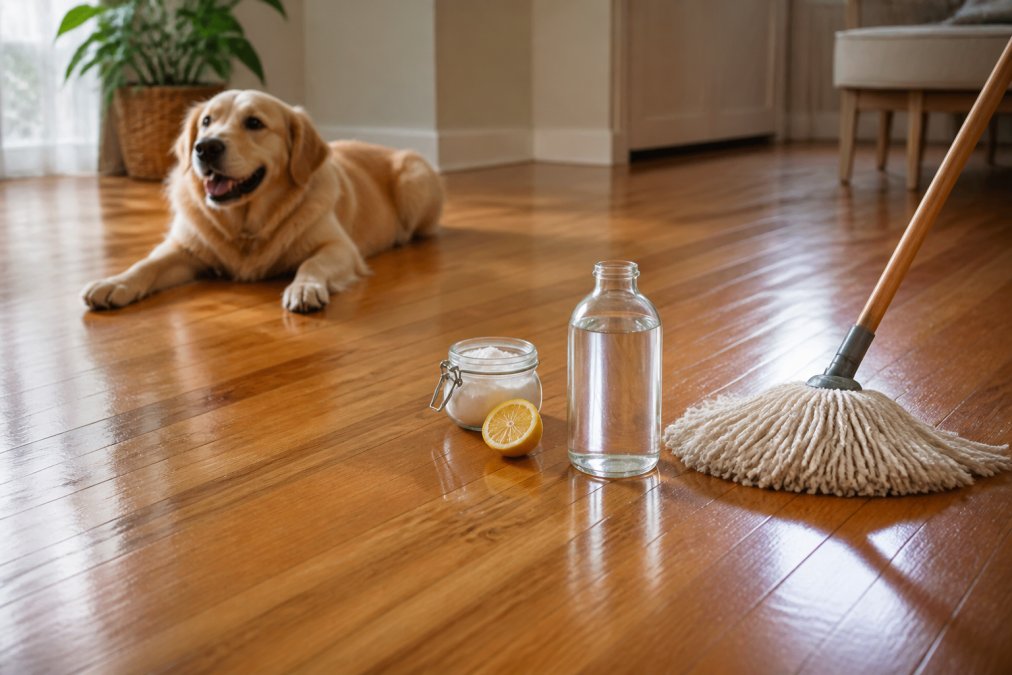
Pet owners face a unique cleaning challenge: keeping hardwood floors pristine while protecting their animals. The best natural hardwood floor cleaners for pets balance effective cleaning with safety, avoiding harsh chemicals that can irritate paws, respiratory systems, and skin. This guide from Stay Fresh Steam Cleaning breaks down everything you need to know about maintaining beautiful hardwood floors in a pet-friendly home.
Most conventional floor cleaners contain synthetic fragrances, volatile organic compounds, and harsh surfactants that linger on surfaces long after mopping (the EPA). When your dog walks across freshly cleaned floors or your cat grooms their paws, they’re exposed to residues that many pet owners never consider. Natural hardwood floor cleaners eliminate this concern by using plant-based ingredients that break down dirt without leaving toxic buildup.
Hardwood floors represent a significant investment in your home’s value and aesthetic. Improper cleaning methods can damage the protective finish, leading to water stains, warping, or dullness that costs thousands to repair. The right approach, using pH-neutral, pet-safe solutions, maintains your floor’s longevity while keeping your household safe.
A pet-safe hardwood floor cleaner must be non-toxic if ingested in small amounts, free from irritating fumes, and formulated to avoid damaging the wood’s protective finish.
Non-toxic ingredients form the foundation of pet safety. Plant-based cleaners derived from coconut, olive, or jojoba oils break down dirt through natural surfactants rather than synthetic chemicals (peer-reviewed research). These ingredients biodegrade naturally and don’t accumulate in your pet’s system when they groom their paws or lie on cleaned floors. Avoid products containing ammonia, bleach, chlorine, or petroleum solvents, these are respiratory irritants for cats and dogs.
pH-neutral formulations are essential for hardwood protection. Standard cleaners often lean acidic or alkaline, which can strip the polyurethane or wax finish protecting your floors. A pH-neutral cleaner sits around 7 on the pH scale, cleaning effectively without degrading the wood’s surface layer (nist.gov).
Certifications provide third-party verification of safety claims. Look for products bearing EWG Verified, MADE SAFE, EcoCert, or Leaping Bunny certifications. These organizations test formulations against strict health and environmental standards, ensuring the product actually delivers on its pet-safe promises.
When you want a ready-to-use solution without mixing or diluting, commercial natural hardwood floor cleaners for pets offer convenience and consistency.
Branch Basics stands out for extreme versatility. A single concentrate bottle creates multiple cleaning solutions by adjusting dilution ratios. The concentrate uses plant and mineral-based ingredients free from fragrances, preservatives, or dyes that might trigger pet sensitivities. One 33.8 fl oz bottle yields multiple gallons of finished cleaner, making it economical for households cleaning frequently. EWG Verified and MADE SAFE certified, Branch Basics meets rigorous safety standards for use around pets and children.
The primary drawback is the upfront investment in learning dilution ratios and spending time mixing solutions. Households preferring grab-and-spray convenience may find the extra steps inconvenient.
Best for: Households seeking one versatile product for comprehensive cleaning and those committed to minimizing chemical exposure.
Puracy delivers plant-powered cleaning in a ready-to-spray format, eliminating mixing steps while maintaining natural credentials. The formula works on sealed hardwood, tile, countertops, and bathroom fixtures. Hypoallergenic, vegan, and biodegradable, Puracy targets owners who want commercial convenience with natural-product ethics.
The streak-free, residue-free finish matters for hardwood floors. PETA certification confirms cruelty-free production, and the biodegradable formula breaks down in municipal water systems without harming aquatic life. The product performs well on sealed surfaces but isn’t suitable for unfinished or waxed wood.
Best for: Pet owners wanting grab-and-spray convenience and those prioritizing environmental impact.
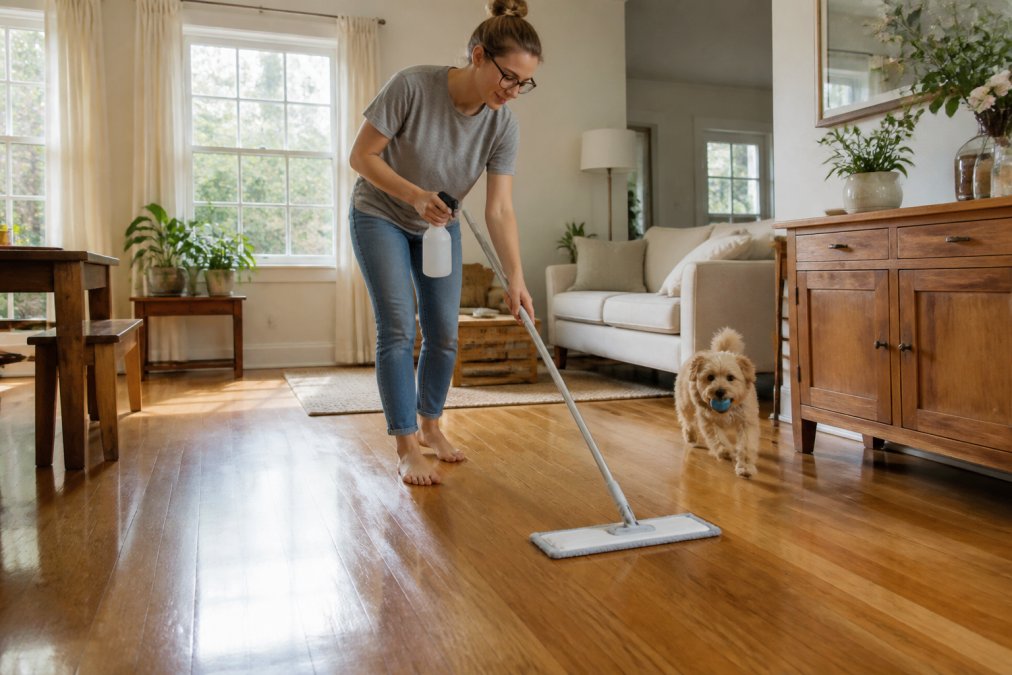
Better Life specializes in floor cleaning, formulating their product for sealed hardwood, tile, marble, laminate, and vinyl surfaces. Plant-derived cleaning agents paired with natural essential oils (peppermint, lemon, grapefruit) create a formula that smells fresh without synthetic fragrances. No rinsing required, spray and mop, and your floors dry streak-free.
The essential oil blend delivers genuine cleaning power. Free from petroleum solvents, chlorine, bleach, and synthetic fragrances, the product meets strict natural-cleaning standards. The no-rinse application means you’re not leaving excess moisture on hardwood, reducing water-damage risk.
Best for: Pet owners wanting a specialized floor cleaner with natural essential oils and those seeking streak-free shine without rinsing.
AspenClean positions itself as the certified-natural option, with EWG Verified and EcoCert certifications backing claims of organic, plant-derived ingredients. The unscented version appeals to households with fragrance-sensitive pets. The formula works on hardwood, laminate, stone, and ceramic.
EcoCert certification requires that products meet strict European organic standards, ensuring ingredients come from sustainable sources. For eco-conscious pet owners, these certifications provide reassurance beyond marketing language. The product explicitly isn’t suitable for unfinished, unsealed, or waxed wood floors.
Best for: Environmentally conscious pet owners and households with fragrance-sensitive animals.
Mrs. Meyer’s combines garden-inspired scents with plant-derived ingredients, offering an aromatic alternative to unscented natural cleaners. The formula works on finished wood and tile. Cruelty-free and Leaping Bunny certified, the brand appeals to owners valuing ethical production practices.
The scent variety allows you to choose fragrances that won’t overwhelm pets or family members. The plant-derived formula lacks parabens, phthalates, and synthetic dyes. Ready-to-spray convenience means no mixing or dilution.
Best for: Pet owners wanting pleasant-smelling natural cleaners and those prioritizing cruelty-free certifications.
Mixing your own hardwood floor cleaner gives you complete control over ingredients while typically costing less than commercial products.
Dr. Bronner’s Pure-Castile Liquid Soap serves as an excellent base for DIY hardwood floor cleaners. Made from organic oils (olive, coconut, jojoba) and fair-trade ingredients, castile soap is completely natural and pet-safe. A small amount goes a long way when diluted properly, making it economical for frequent cleaning.
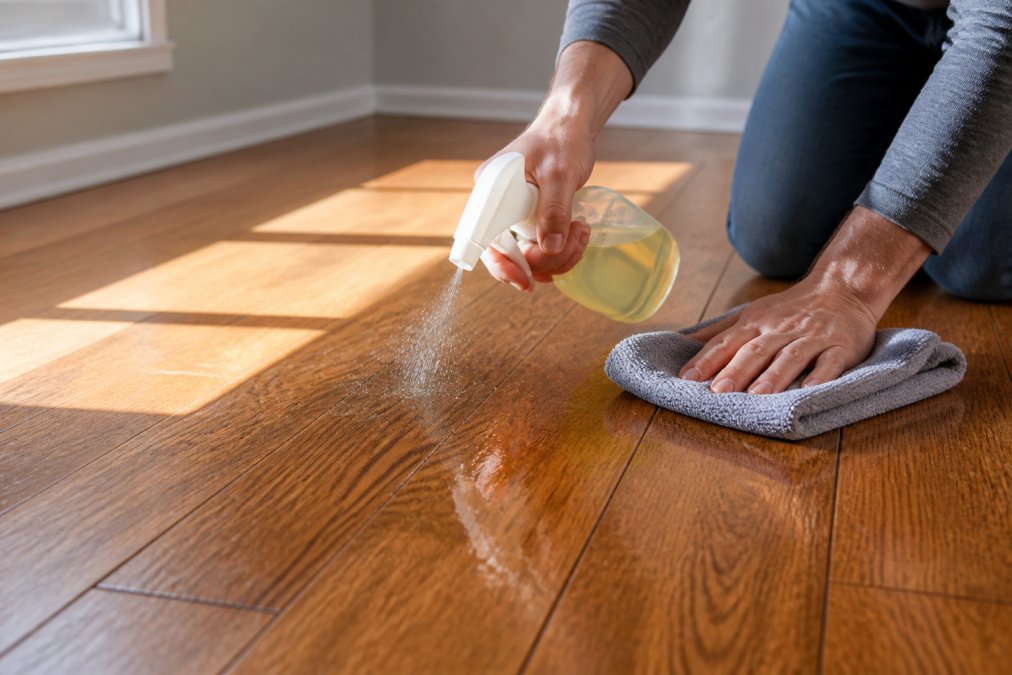
The basic formula is simple: mix one-quarter teaspoon of Dr. Bronner’s with two cups of water in a spray bottle. This dilution creates enough soap to clean effectively without leaving residue. Spray the solution onto a microfiber cloth rather than directly onto the floor, preventing excess liquid from seeping into wood grain. Wipe in the direction of the wood grain, and dry immediately with a second cloth.
Test on an inconspicuous area first, and adjust your dilution ratio if you notice streaking or dullness.
Diluted white vinegar offers another natural approach, using acidity to cut through grease and mineral deposits without chemicals. The acetic acid in vinegar dissolves soap scum, hard water stains, and pet-related residues effectively. However, vinegar’s acidity requires careful application to avoid damaging hardwood finishes.
The proper ratio is crucial: mix one part white vinegar with three parts water. This dilution provides enough acidity for cleaning while minimizing the risk of stripping polyurethane finishes. Never use undiluted vinegar on hardwood. Application technique mirrors castile soap: spray onto a cloth rather than the floor, wipe with the grain, and dry immediately.
Vinegar works particularly well for pet-related challenges. The acidity helps neutralize urine odors on hardwood surfaces. For routine maintenance cleaning, diluted vinegar provides excellent results at minimal cost. Test first on an inconspicuous area, as older or specialty finishes may experience etching from regular vinegar use.
Dog urine presents a unique hardwood challenge because it soaks beyond the surface into wood grain and subfloor, creating persistent odors even after visible stains disappear.
The first response to fresh urine accidents is critical. Blot immediately with absorbent cloths or paper towels to remove as much liquid as possible before it penetrates the finish. Once you’ve removed surface urine, apply an enzyme-based cleaner specifically formulated for pet stains. Biokleen Bac-Out Pet Stain & Odor Remover works well for this purpose, using natural enzymes to break down uric acid crystals that cause odors.
Enzyme cleaners work differently than surface cleaners. The enzymes actually digest the organic compounds in urine rather than simply masking the smell. Let the enzyme cleaner sit on the affected area for 10-15 minutes, allowing enzymes to work effectively. Then blot again with clean cloths.
For older accidents where urine has already soaked into wood, use an enzyme cleaner on the surface, then consider applying a natural odor neutralizer. Some pet owners use baking soda sprinkled on the dried enzyme-treated area, allowing it to sit overnight to absorb lingering odors, then vacuuming it up.
If urine odors persist despite enzyme treatment, the damage may extend beyond surface treatment. In these situations, professional hardwood floor cleaning becomes necessary. At Stay Fresh Steam Cleaning, our certified technicians use advanced methods to address pet damage at the source, protecting your hardwood’s longevity while eliminating odors that DIY approaches can’t reach.
Prevention remains the most effective strategy. Enzymatic accidents happen, but consistent training, designated pet areas, and immediate cleanup prevent urine from becoming a chronic problem.
Maintaining hardwood floors in a pet household requires preventative strategies that minimize damage while keeping surfaces beautiful.
Establish a regular cleaning schedule. Sweep or vacuum hardwood floors at least twice weekly to remove pet hair, dander, and dirt before it becomes ground into the finish. Weekly mopping with your chosen natural cleaner maintains shine and addresses minor spills before they become stains.
Control moisture exposure carefully. Hardwood’s greatest enemy is excess water. Place absorbent mats near water bowls to catch spills, and dry your dog’s paws after outdoor time before allowing them on hardwood. Never leave standing water on floors; address spills immediately. Use damp mopping rather than wet mopping, ensuring your cloth is wrung out thoroughly.
Apply protective coatings strategically. High-traffic pet areas benefit from polyurethane recoating every few years, refreshing the protective finish that prevents moisture penetration and staining. Between professional coatings, maintain the existing finish with appropriate cleaners.
Trim pet nails regularly. Long nails scratch hardwood surfaces, creating gouges that accumulate dirt and become permanent eyesores. Monthly nail trimming protects your floors from preventable damage. Consider placing rugs in areas where pets spend the most time to shield hardwood from concentrated wear.
DIY natural cleaning works well for routine maintenance, but certain situations demand professional expertise.
Extensive pet staining indicates damage beyond DIY reach. If your hardwood shows multiple dark stains, persistent odors despite enzyme treatment, or visible finish degradation, professional cleaning becomes necessary. Stay Fresh Steam Cleaning’s certified technicians assess damage depth and apply specialized methods to address stains that have penetrated beyond surface treatment.
Water damage or warping requires professional intervention. If your hardwood shows cupping, buckling, or soft spots, moisture has compromised the wood structure. Professional assessment determines whether refinishing or replacement is necessary.
Pre-sale preparation justifies professional cleaning. When selling a pet-owned home, professional deep cleaning removes embedded pet odors and stains that reduce home value. Move-in and move-out scenarios also benefit from professional service to address accumulated pet damage and ensure clean surfaces between occupants.
For routine maintenance with pets, natural hardwood floor cleaners for pets keep your floors beautiful between professional services. The combination of regular DIY care and occasional professional deep cleaning maintains hardwood longevity while supporting a healthy home environment for your pets.
Keeping hardwood floors beautiful while protecting your pets requires choosing the right cleaning approach. Whether you select commercial natural cleaners like Branch Basics or Puracy, mix your own castile soap solutions, or rely on diluted vinegar for maintenance, the priority remains consistent: avoiding harsh chemicals while preventing water damage. Stay Fresh Steam Cleaning’s certified technicians are available when pet accidents or accumulated damage exceed DIY capabilities, ensuring your hardwood maintains its longevity and beauty for years to come. Contact us today for a consultation on protecting your hardwood investment.
=== FAQ ANSWERS (audit these too, same rules) ===
[1] Q: What is the safest way to clean hardwood floors when you have pets?
A: Use plant-based, non-toxic cleaners free from harsh chemicals, synthetic fragrances, and volatile organic compounds. Dilute solutions properly to minimize moisture exposure, which prevents water damage to the wood. Apply cleaner with a damp (not wet) microfiber mop, and wipe dry immediately. Avoid products containing ammonia, bleach, or petroleum solvents. Look for certifications like EWG Verified or Leaping Bunny Certified. Pet-safe cleaners like Branch Basics Concentrate, AspenClean, or Puracy Multi-Surface Cleaner are effective options that won’t harm your pets’ respiratory systems or paws.
[2] Q: Are vinegar and water safe for hardwood floors with pets?
A: Diluted white vinegar can work for sealed hardwood floors, but use it cautiously. Mix one part white vinegar with three parts water to reduce acidity. Apply sparingly with a damp mop and dry immediately to prevent moisture damage. For older or delicate hardwood finishes, consider gentler alternatives.
[3] Q: How do I remove pet urine odors from hardwood floors naturally?
A: Enzyme-based cleaners like Biokleen Bac-Out Pet Stain & Odor Remover break down urine compounds at the source. First, blot fresh accidents immediately with paper towels. Apply the enzyme cleaner, let it sit for 10-15 minutes to allow enzymes to work, then wipe clean and dry thoroughly. For older stains, repeat applications may be needed. Alternatively, sprinkle baking soda on the affected area overnight to absorb odors, then vacuum and clean with a pet-safe solution. Prevent future issues by maintaining preventative maintenance routines.
[4] Q: What ingredients should I avoid in hardwood floor cleaners if I have pets?
A: Avoid cleaners containing ammonia, bleach, chlorine, petroleum solvents, phenol, and strong synthetic fragrances. These chemicals can irritate pets’ respiratory systems, skin, and paws. Skip products with parabens, phthalates, and added alcohols. Some preservatives like Methylisothiazolinone and Benzisothiazolinone may cause contact dermatitis in sensitive pets. Choose biodegradable, plant-based formulas free from harsh chemicals and volatile organic compounds. Natural alternatives using plant-derived ingredients, essential oils, and mineral-based components provide effective cleaning without toxicity risks for your pets.
Use plant-based, non-toxic cleaners free from harsh chemicals, synthetic fragrances, and volatile organic compounds. Dilute solutions properly to minimize moisture exposure, which prevents water damage to the wood. Apply cleaner with a damp (not wet) microfiber mop, and wipe dry immediately. Avoid products containing ammonia, bleach, or petroleum solvents. Look for certifications like EWG Verified or Leaping Bunny Certified. Pet-safe cleaners like Branch Basics Concentrate, AspenClean, or Puracy Multi-Surface Cleaner are effective options that won't harm your pets' respiratory systems or paws.
Diluted white vinegar can work for sealed hardwood floors, but use it cautiously. Mix one part white vinegar with three parts water to reduce acidity. Apply sparingly with a damp mop and dry immediately to prevent moisture damage. For older or delicate hardwood finishes, consider gentler alternatives.
Enzyme-based cleaners like Biokleen Bac-Out Pet Stain & Odor Remover break down urine compounds at the source. First, blot fresh accidents immediately with paper towels. Apply the enzyme cleaner, let it sit for 10-15 minutes to allow enzymes to work, then wipe clean and dry thoroughly. For older stains, repeat applications may be needed. Alternatively, sprinkle baking soda on the affected area overnight to absorb odors, then vacuum and clean with a pet-safe solution. Prevent future issues by maintaining preventative maintenance routines.
Avoid cleaners containing ammonia, bleach, chlorine, petroleum solvents, phenol, and strong synthetic fragrances. These chemicals can irritate pets' respiratory systems, skin, and paws. Skip products with parabens, phthalates, and added alcohols. Some preservatives like Methylisothiazolinone and Benzisothiazolinone may cause contact dermatitis in sensitive pets. Choose biodegradable, plant-based formulas free from harsh chemicals and volatile organic compounds. Natural alternatives using plant-derived ingredients, essential oils, and mineral-based components provide effective cleaning without toxicity risks for your pets.
This article was written using GrandRanker


