
- September 16, 2026
- in Blog
- by
- 101
- 0
Last Updated: August 17, 2026
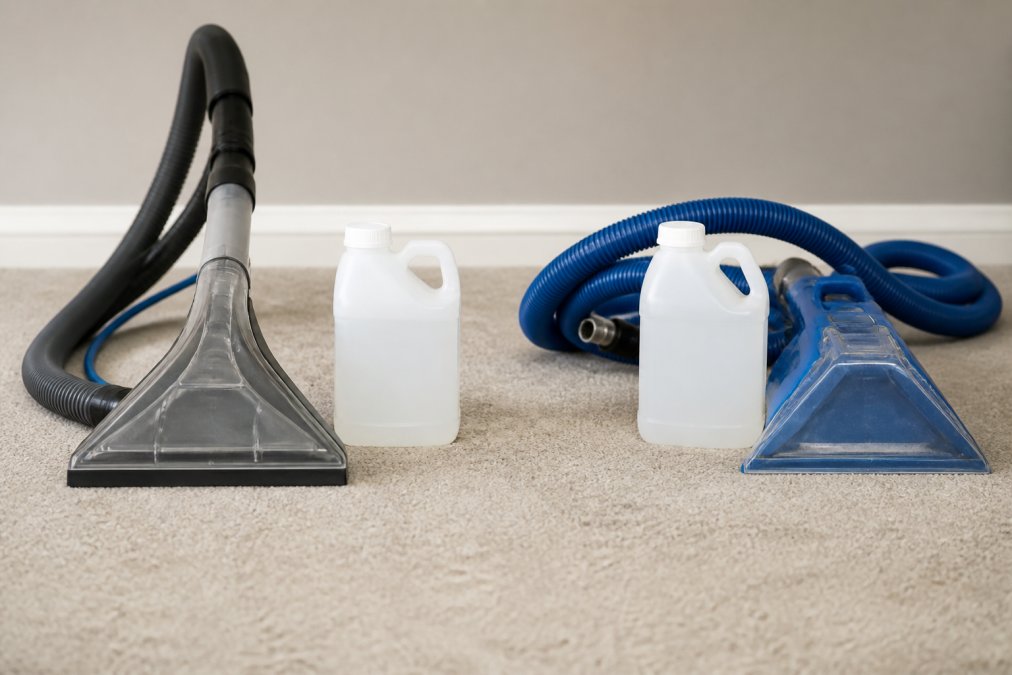
When you’re deciding between professional carpet cleaning methods, the choice between ChemDry and Oxi Fresh often comes down to understanding how each actually works, and what that means for your carpets long-term. ChemDry vs Oxi Fresh represents two fundamentally different approaches to carpet cleaning, each with distinct advantages depending on your situation, your carpet type, and what you’re trying to accomplish.
At Stay Fresh Steam Cleaning, we’ve analyzed both methods extensively to help homeowners and property managers make informed decisions. The core difference isn’t just marketing hype: it’s about the chemistry, the drying time, and ultimately, how well your carpets stay clean afterward. One method uses encapsulation technology with polymer-based solutions. The other relies on hot carbonating extraction. Both have merit, but they’re not interchangeable.
This comparison breaks down exactly how each works, what you can expect in terms of results and drying time, and which method makes sense for your specific needs.
ChemDry’s signature approach uses encapsulation, a process where a polymer-based solution is applied to carpet fibers. The solution contains microscopic polymers that surround soil particles and dried residue. As the solution dries, these polymers crystallize around the dirt, essentially trapping it so it can be vacuumed away.
The process typically involves minimal moisture. A small amount of liquid is applied, the cleaning agent is worked into the carpet fibers, and then the carpet dries as the polymers harden. Because encapsulation uses far less water than traditional steam cleaning, drying happens relatively quickly, often within a few hours rather than the full day or more that extraction methods require.
One key advantage of encapsulation is that it leaves minimal residue behind. Traditional carpet cleaning can leave soap residue or cleaning solution in the fibers, which attracts dirt over time, a problem known as wick-back. With encapsulation, the polymer coating actually resists soil attraction after cleaning, meaning your carpets tend to stay cleaner longer between professional cleanings.
The trade-off is that encapsulation works best on surface-level soiling and moderate stains. For heavily soiled carpets or deep-set stains, encapsulation may not penetrate deeply enough to address embedded dirt in the carpet backing or lower fiber layers.
Oxi Fresh uses hot carbonating extraction, which is fundamentally different. This method applies a carbonated cleaning solution to the carpet, agitates it to break down soil and stains, and then uses powerful extraction equipment to pull the solution, along with dirt and contaminants, out of the carpet.
The carbonation process creates tiny bubbles that help lift soil from carpet fibers. The heat in the solution helps dissolve stubborn stains and break down organic matter. The extraction step then removes both the cleaning solution and the suspended dirt, ideally leaving the carpet cleaner and drier than before.
Hot carbonating extraction is generally more aggressive than encapsulation. It can handle heavily soiled carpets, pet stains, and deep-set marks more effectively. Because the method actually removes the cleaning solution through extraction rather than leaving it to dry, there’s less risk of residue buildup, though the extraction process itself requires more moisture and longer drying times.
Drying after hot carbonating extraction typically takes 6 to 12 hours, depending on humidity, air circulation, and carpet pile depth. This is significantly longer than encapsulation methods.
Drying time matters more than many homeowners realize. Wet carpets are uncomfortable to walk on, they’re prone to mildew if they stay damp too long, and they’re vulnerable to re-soiling during the drying process.
Encapsulation methods (like ChemDry’s approach) typically dry within 1 to 3 hours. Because minimal moisture is used, the carpet reaches walkable condition quickly. This is especially valuable for busy households, rental properties between tenants, or commercial spaces that need to reopen fast.
Hot carbonating extraction methods (like Oxi Fresh) generally require 6 to 12 hours of drying time. Some factors that influence this include carpet thickness, pile height, humidity levels, and whether fans or air circulation equipment are used. In humid climates or during damp seasons, drying can stretch toward the longer end of that range.
For property managers overseeing move-out cleaning between tenants, the faster drying time of encapsulation can be a significant operational advantage. For homeowners with heavy pet stains or deeply soiled carpets, the deeper cleaning power of hot carbonating extraction may justify the longer wait.
Neither method should leave your carpet soaking wet, that’s a sign the technician either over-applied solution or didn’t extract properly. Professional equipment should remove most moisture, leaving the carpet damp rather than wet.
This is where the gap between professional methods and DIY rental equipment becomes obvious. Rental machines from grocery stores or hardware stores, typically small portable extractors, operate on an entirely different scale than truck-mounted professional systems or specialized encapsulation equipment.
Rental machines are designed for occasional homeowner use. They have limited suction power, modest heating capability, and small water tanks. They can handle light surface cleaning, but they’re not equipped for the fiber saturation and extraction efficiency that professional methods deliver. Many rental machines actually leave more moisture in the carpet than they remove, which extends drying time and increases the risk of mildew.
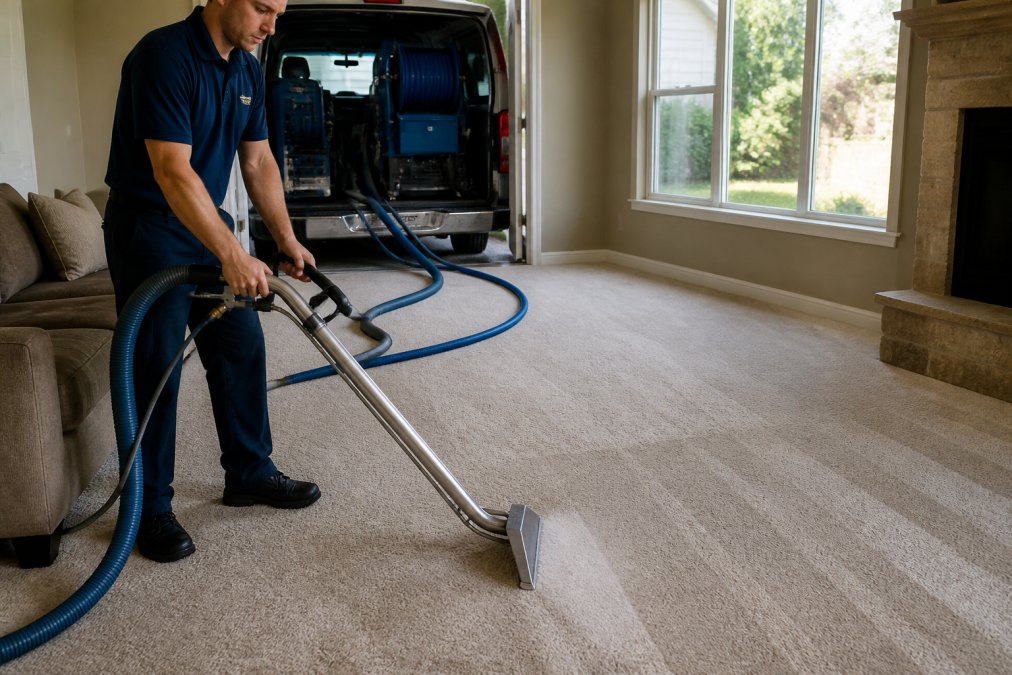
Professional equipment (whether truck-mounted extraction systems or encapsulation units) operates at a different level entirely. Truck-mounted systems use engines to power extraction with pressures and suction rates that rental machines can’t match. Professional encapsulation equipment delivers consistent, controlled application of polymer solutions. Both professional approaches achieve fiber saturation and soil removal that rental equipment simply cannot replicate.
The cost difference between renting a machine for a weekend and hiring a professional service is often smaller than homeowners expect, especially when you factor in the time investment, the learning curve, and the likelihood that rental equipment won’t deliver the results you’re hoping for.
For high-traffic areas, pet stains, or any carpet that’s heavily soiled, professional cleaning is the only realistic option. Rental machines work for light maintenance in low-traffic spaces, but they’re not a substitute for professional-grade deep cleaning.
How well a cleaning method removes stains depends partly on the stain type and partly on the method’s ability to reach deep into carpet fibers and backing.
Encapsulation excels at preventing future staining. The polymer coating left behind resists soil and liquid absorption, which means spills are less likely to set into stains in the first place. For existing stains, encapsulation works well on surface stains and moderate discoloration. For older, set-in stains or stains that have penetrated the backing, encapsulation may not fully resolve the problem.
Hot carbonating extraction is more effective on stubborn, deep-set stains because the heat and agitation break down the stain compounds, and the extraction actually removes them from the carpet. This method works better on organic stains (pet accidents, food, blood) and can handle stains that have been in the carpet for weeks or months.
Long-term carpet health involves more than just stain removal. It’s about minimizing fiber damage, avoiding residue buildup that attracts new soil, and maintaining the carpet’s structural integrity over years of use.
Encapsulation methods tend to be gentler on carpet fibers because they use less moisture and mechanical agitation. The polymer coating can actually protect fibers from future wear and soiling.
Hot carbonating extraction, while effective at deep cleaning, involves more aggressive agitation and moisture exposure. Repeated extraction cleaning over many years can, in some cases, contribute to fiber matting or backing deterioration if the carpet is already old or of lower quality. However, professional technicians are trained to adjust their technique based on carpet type and condition.
The real key to long-term carpet health is regular professional cleaning, whether encapsulation or extraction, combined with routine vacuuming and prompt spot treatment of spills. Carpets that are cleaned professionally every 12 to 18 months tend to maintain their appearance and structure far longer than carpets that are neglected or only cleaned with rental machines.
The frequency of professional carpet cleaning depends on traffic level, household composition, and the cleaning method you choose.
Light-traffic residential spaces (bedrooms, formal living rooms with minimal use) can often go 18 to 24 months between professional cleanings. Regular vacuuming is still essential, but soil accumulation is slow.
Normal-traffic homes (living rooms, hallways, bedrooms in active households) benefit from professional cleaning every 12 to 18 months. This schedule prevents soil buildup and maintains the carpet’s appearance without over-cleaning.
High-traffic areas and pet-owning households should be professionally cleaned every 6 to 12 months. Pet accidents, high foot traffic, and increased soil load justify more frequent professional intervention. Many pet owners find that every 6 months keeps odors and stains manageable.
Commercial spaces and rental properties often require quarterly or semi-annual professional cleaning, depending on usage and tenant turnover.
The cleaning method you choose can influence this schedule. Carpets cleaned with encapsulation methods tend to stay cleaner longer because the polymer coating resists soil attraction. This can extend the time between cleanings by several months compared to extraction methods, which may leave some residue that gradually attracts new soil.
Stay Fresh Steam Cleaning recommends assessing your carpet’s condition seasonally. If you notice visible soil accumulation, odors, or stains that don’t respond to spot cleaning, it’s time to schedule professional cleaning regardless of the calendar.
The chemicals used in carpet cleaning matter, especially if you have children, pets, or respiratory sensitivities in your home.
Encapsulation solutions typically contain surfactants and polymers designed to be low-toxicity. Many encapsulation products are formulated to minimize volatile organic compounds (VOCs), chemicals that off-gas into the air and can cause respiratory irritation. The polymer coating dries quickly, which means fewer fumes linger in your home after cleaning.
Hot carbonating extraction solutions vary widely. Some use alkaline-based cleaners that are relatively safe but require thorough rinsing. Others contain surfactants and enzymes designed to break down organic stains. The key variable is whether the extraction process removes all the cleaning solution from the carpet. If residue remains, those chemicals can off-gas or accumulate over time.
Many professional cleaning companies, including those using both methods, now offer eco-friendly or green-certified cleaning solutions. These products are formulated to minimize environmental impact and reduce VOCs. If chemical safety is a priority for your household, ask your cleaning service about their solution ingredients and certifications.
The extraction process itself, removing the cleaning solution, is actually an environmental advantage of hot carbonating extraction methods. Because the solution is extracted rather than left to dry in place, there’s less chemical residue remaining in your carpet and potentially leaching into groundwater if you have a septic system.
The answer depends on your specific situation. Here’s how to think through it:
Choose encapsulation if:
Choose hot carbonating extraction if:
For most homeowners, the practical choice comes down to carpet condition and frequency of use. Light-traffic homes with well-maintained carpets benefit from encapsulation’s speed and residue resistance. High-traffic homes, pet owners, and rental properties often need the deeper cleaning power of hot carbonating extraction.
Stay Fresh Steam Cleaning offers both methods and can assess your specific carpet and soiling situation to recommend the best approach. Professional evaluation beats guesswork, a technician can examine your carpet type, pile depth, backing condition, and soil level to determine which method will deliver the best results for your investment.
The real advantage of professional cleaning, regardless of method, is that you’re getting equipment, expertise, and technique that rental machines simply cannot match. Drying time differences matter less than the difference between professional results and DIY rental outcomes.
Choosing between carpet cleaning methods shouldn’t mean compromising on results or safety. Whether you’re managing rental properties, maintaining a pet-filled home, or preparing your space for guests, professional carpet cleaning keeps your carpets looking their best and lasting longer. Stay Fresh Steam Cleaning’s certified, background-checked technicians evaluate your specific needs and deliver the right cleaning method, with satisfaction guaranteed. Contact Stay Fresh Steam Cleaning today for a consultation and see the difference professional expertise makes.
ChemDry uses hot carbonating extraction with a polymer-based solution that crystallizes dirt particles, while Oxi Fresh uses oxygen-based encapsulation technology that suspends soil in a protective coating. ChemDry typically dries faster (1-2 hours) because it uses less moisture, while Oxi Fresh may take 4-6 hours. Both methods prevent wick-back, but they work through different chemical processes. The choice depends on your carpet type, soil level, and drying time preferences.
Drying time varies significantly between methods. ChemDry's hot carbonating extraction typically dries within 1-2 hours because the process uses minimal water and high heat. Oxi Fresh encapsulation methods generally require 4-6 hours of drying time. Professional truck-mounted systems extract more moisture than portable rental machines, reducing overall drying time. Factors like humidity, ventilation, carpet thickness, and fiber saturation affect drying speed. Proper air circulation and fans can accelerate the process regardless of method.
Professional carpet cleaning delivers superior results compared to rental machines. Professional equipment uses truck-mounted systems with greater extraction efficiency and higher water pressure, removing more soil and residue from carpet backing. Professionals understand pH balance, surfactant application, and fiber-specific care that rental users typically don't. Rental machines often leave excessive moisture, leading to longer drying times and potential mildew. Professional technicians also prevent wick-back and fiber damage. While rental machines cost less upfront, professional cleaning maintains carpet longevity better and provides guaranteed results.
Most homeowners should professionally clean carpets every 12-18 months for standard use, or every 6-12 months in high-traffic areas or homes with pets and children. Properties with significant soil attraction or allergen concerns may benefit from quarterly cleaning. Professional cleaning removes deep-set residue that regular vacuuming cannot, extending carpet longevity and improving indoor air quality. Between professional cleanings, spot treatment of fresh stains prevents permanent damage. The frequency depends on foot traffic, household size, and whether you have pets or health sensitivities.
Both ChemDry and Oxi Fresh can address pet stains, but ChemDry's hot carbonating extraction often performs better for embedded odors because the heat and polymer solution penetrate deeper into carpet fibers and backing. However, Oxi Fresh's encapsulation method works well for surface-level pet accidents and prevents soil attraction that can trap odors. For severe pet damage, professional assessment is essential. Neither method guarantees complete odor removal if urine has saturated the carpet backing, in those cases, backing replacement may be necessary. Professional technicians can evaluate your specific situation and recommend the most effective approach.
This article was written using GrandRanker


