
- September 16, 2026
- in Blog
- by
- 94
- 0
Last Updated: August 12, 2026
Finding the right deep cleaning method for your carpets isn’t just about removing dirt, it’s about understanding what works best for your specific situation. Many homeowners explore ChemDry alternatives for deep cleaning because they want options that fit their budget, timeline, or cleaning philosophy. Whether you’re dealing with stubborn pet stains, preparing a rental property, or simply maintaining your home’s appearance, knowing your choices matters.
The carpet cleaning landscape has shifted significantly. What worked a decade ago isn’t necessarily the best approach today. Some methods prioritize speed, others focus on environmental impact, and still others aim for the deepest possible soil extraction. Stay Fresh Steam Cleaning helps homeowners understand these distinctions so they can make informed decisions about their carpet care.
The key difference between various deep cleaning methods comes down to how they extract soil and moisture from carpet fibers. Some approaches use heat, others rely on chemical solutions, and a few combine multiple techniques. Each method has genuine strengths and legitimate limitations. Understanding these trade-offs is what separates a good cleaning decision from a frustrated one.
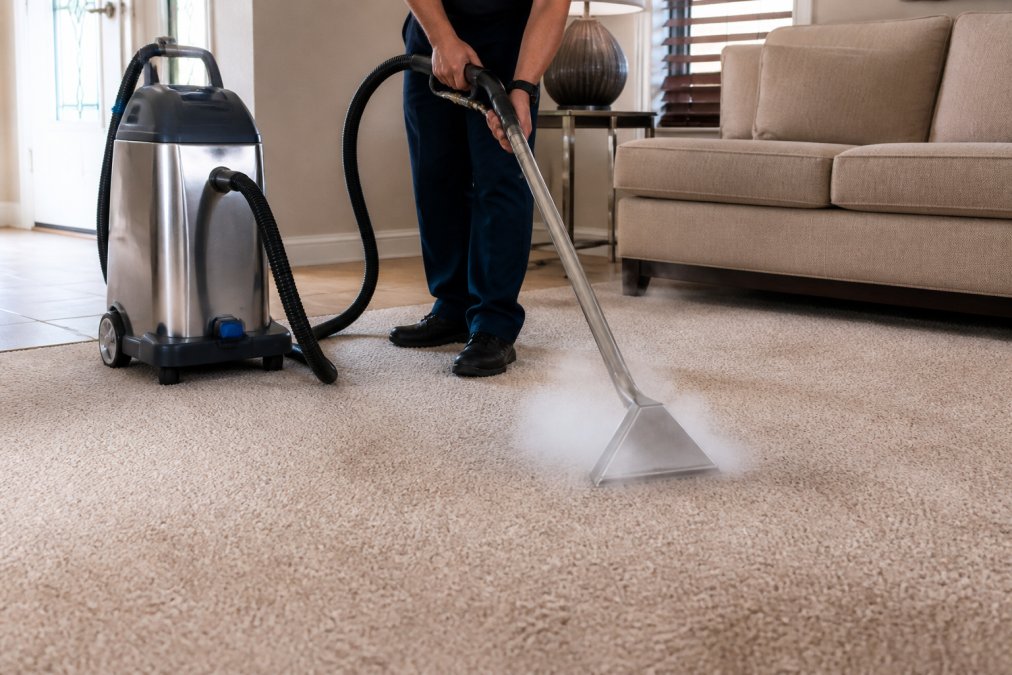
Steam cleaning and hot carbonating extraction represent fundamentally different approaches to carpet restoration. Steam cleaning, more accurately called hot water extraction, uses heated water combined with cleaning solutions to saturate carpet fibers, then immediately extracts the moisture using powerful suction. Hot carbonating extraction, the method ChemDry popularized, uses carbonated cleaning solutions that create micro-bubbles to lift soil from fibers with minimal moisture.
The core distinction lies in water usage. Hot water extraction typically requires significant moisture saturation, sometimes leaving carpets damp for hours or even days. This method relies on aggressive suction to pull water back out. Carbonating extraction methods use substantially less water, which means faster drying times and less risk of overwetting, though the extraction may not be quite as deep for heavily soiled carpets.
Consider the practical implications. If you have high-traffic areas with ground-in soil, hot water extraction often delivers superior results because the heat and moisture help dissolve stubborn residue. However, if you’re concerned about drying time or have delicate fibers, the lower-moisture approach of carbonating extraction becomes more attractive.
Both methods address residue differently. Hot water extraction can leave detergent residue if not rinsed thoroughly, this is why drying time matters. Carbonating solutions typically produce less residue because they use less liquid overall. Yet neither method guarantees completely residue-free carpets without proper technique and equipment.
The equipment differs significantly too. Hot water extraction requires truck-mounted systems or powerful portable units that generate intense heat and suction. Carbonating extraction equipment tends to be lighter and more portable, which affects both professional availability and rental options. Professional-grade equipment in either category will outperform consumer-level machines dramatically.
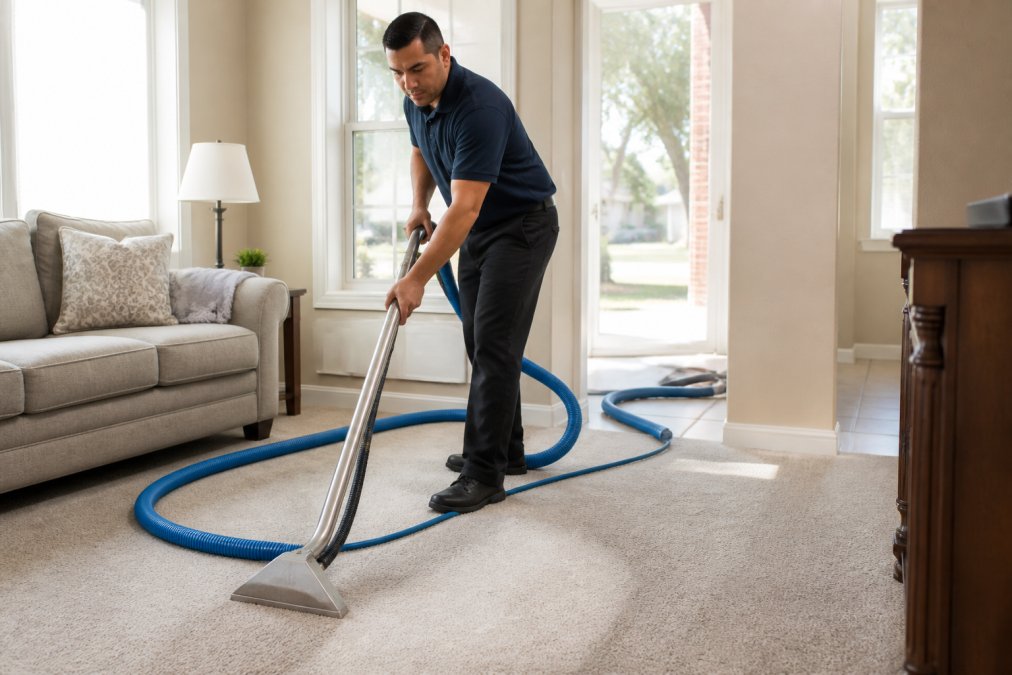
Professional cleaning services remain the gold standard for deep carpet restoration, regardless of the method used. When you hire a professional, you’re paying for expertise, equipment, and accountability, not just labor. The technician brings years of experience diagnosing carpet condition, selecting appropriate solutions, and executing the cleaning to minimize damage risk.
Stay Fresh Steam Cleaning represents the professional alternative approach. Our certified, background-checked technicians assess your specific carpet type, soil level, and any existing stains before selecting the optimal cleaning method. This diagnostic step alone separates professional service from DIY attempts. We maintain comprehensive service capabilities including carpet, upholstery, tile, and hardwood floor cleaning, which means one trusted team handles your entire home’s surfaces.
Stanley Steemer operates as one of the largest professional carpet cleaning chains, specializing in hot water extraction using truck-mounted systems. Their approach prioritizes deep soil extraction through heat and powerful suction. The company uses EPA Safer Choice certified solutions, which appeals to homeowners concerned about chemical safety around children and pets.
Stanley Steemer’s hot water extraction method works well for heavily soiled carpets and high-traffic areas where ground-in soil requires aggressive extraction. Their truck-mounted equipment delivers the kind of power that consumer rentals simply cannot match. Pricing typically ranges from $60-$80 per room, though this varies by location and carpet condition.
The trade-off with hot water extraction at scale is drying time. Expect carpets to remain damp for 12-24 hours after service. For some households, this represents a genuine inconvenience. Additionally, hot water extraction cannot guarantee removal of all urine spots or odors, particularly in cases where pet accidents have saturated padding underneath the carpet.
COIT positions itself as a specialty restoration company rather than a basic cleaning service. Their IICRC-certified technicians offer hot water extraction alongside specialized services like drapery cleaning, tile and grout restoration, natural stone care, and hardwood floor treatment. This comprehensive approach appeals to property managers and real estate professionals who need consistent quality across multiple surface types.
COIT’s 100% satisfaction guarantee includes a re-cleaning policy if you’re not satisfied with results. The company provides free estimates, which helps with budget planning. Pricing for residential carpet cleaning typically ranges from $100-$300 per room, though estimates are required for accurate quotes. This higher price point reflects their restoration focus and certified expertise.
The main limitation is pricing transparency. Without online pricing, you must request estimates before committing. For homeowners wanting quick decisions, this adds friction to the process.
Drying time directly impacts your life after cleaning. Professional hot water extraction typically requires 12-24 hours of drying, sometimes longer in humid conditions or with thick carpet pile. During this window, foot traffic should be minimized to prevent re-soiling. For families with young children or pets, this creates genuine disruption.
Carbonating extraction methods dry significantly faster, often 2-4 hours for light traffic, 4-8 hours for normal use. This speed advantage appeals to busy households and commercial properties where downtime costs money. The trade-off is slightly less aggressive soil extraction, though for regular maintenance cleaning, the difference is minimal.
DIY rental machines fall somewhere in between. A Rug Doctor rental using hot water extraction will require similar drying time to professional hot water extraction, 12-24 hours, but the extraction efficiency depends entirely on operator technique. Inexperienced users often leave carpets overwet, extending drying time further.
Humidity and carpet type influence drying time across all methods. Thick, plush carpets retain more moisture than low-pile commercial carpet. In humid climates, add several hours to any drying estimate. Airflow matters too, opening windows, running ceiling fans, and using dehumidifiers all accelerate the process.
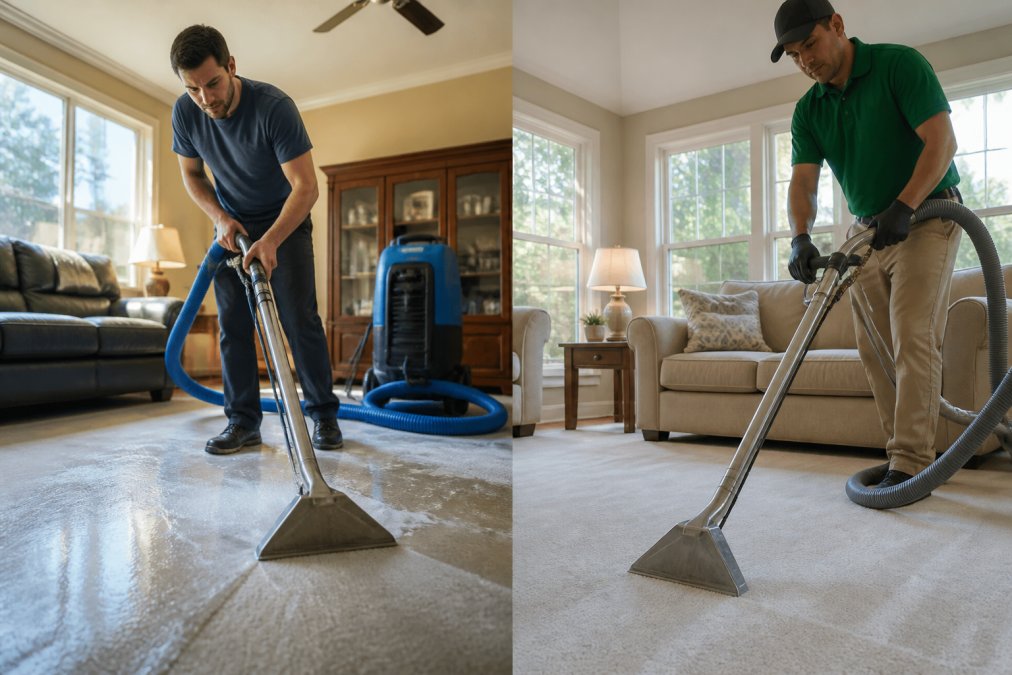
The DIY rental option appeals to budget-conscious homeowners. A Rug Doctor 24-hour rental costs approximately $39.99-$49.99, plus cleaning solution and potential damage fees for returns. This represents a fraction of professional service costs, which can run several hundred dollars for a full home.
However, the math becomes more complex when you factor in time, effort, and results. Renting a machine requires picking it up and returning it within the rental window. You’ll spend 4-8 hours operating equipment that weighs 50+ pounds, navigating stairs, and managing water extraction. The physical demand shouldn’t be underestimated, particularly for older adults or anyone with mobility concerns.
Results depend heavily on technique. Professional technicians know how to adjust water temperature, solution concentration, and extraction pressure for different carpet types. They understand fiber saturation levels and how to avoid overwetting. Most DIY users lack this expertise, often resulting in carpets that look clean initially but re-soil faster because residue wasn’t fully extracted.
The cost comparison shifts when you consider professional quality and durability. A professional deep cleaning lasts longer because proper extraction removes more soil and residue. DIY rentals often require repeat cleaning within weeks because incomplete extraction allows soil to resettle. Over a year, multiple rental attempts may cost nearly as much as a single professional service while delivering inferior results.
Professional services also handle risk differently. If a professional causes damage, they carry liability insurance. If you damage carpet with a rental machine, you typically pay the damage fee. This risk asymmetry favors professional service for valuable carpets.
Start by assessing your carpet’s condition and your priorities. Are you addressing specific stains, performing routine maintenance, or attempting deep restoration? Is drying time critical, or can you accommodate a longer process? Do you prefer chemical solutions, or are you seeking non-toxic options? These questions narrow your options significantly.
Verify certifications. IICRC certification indicates formal training in carpet care and fiber science. Background checks matter if technicians will enter your home. Insurance coverage protects you if damage occurs. Ask prospective services these questions directly, legitimate companies answer without hesitation.
Compare extraction methods based on your carpet type. Delicate natural fibers like wool benefit from lower-moisture approaches. Synthetic carpets in commercial settings handle aggressive hot water extraction well. Your carpet’s manufacturer may specify recommended cleaning methods, check your warranty documentation.
Request references or reviews from recent customers. Look specifically for comments about drying time, stain removal, and follow-up service. A company’s willingness to re-clean if you’re unsatisfied indicates confidence in their work. Stay Fresh Steam Cleaning’s satisfaction guarantee with re-cleaning policy reflects this confidence in our process.
Pricing should be transparent. Services that provide estimates without pressure and explain what’s included build trust. Avoid companies that quote prices without inspecting your carpet, they can’t properly assess soil level or fiber condition.
Deep cleaning addresses more than appearance. Carpets harbor allergens, dust mites, pet dander, and bacteria that accumulate over time. The cleaning method you choose affects how effectively these contaminants are removed.
Hot water extraction excels at allergen removal because heat kills dust mites and bacteria while moisture helps suspend particles for extraction. The high-temperature water can reach 200+ degrees, which provides sanitization benefits beyond simple soil removal. For households with allergies or asthma, this thermal component offers genuine health value.
Carbonating extraction methods remove allergens through mechanical action and solution chemistry rather than heat. While effective for soil removal, they may not provide the same sanitization benefits. For households prioritizing allergen reduction, hot water extraction’s thermal component becomes more valuable.
DIY rentals provide variable allergen removal depending on technique and solution. If you don’t maintain proper water temperature or allow sufficient dwell time, allergen extraction suffers. Professional technicians understand these variables and adjust accordingly.
The cleaning solution itself matters for health-conscious households. EPA Safer Choice certified solutions reduce exposure to volatile organic compounds and harsh chemicals. Both hot water extraction and carbonating methods can use these safer products, though availability varies by service provider.
Post-cleaning environment affects allergen levels too. Proper drying prevents mold growth, which creates new allergen concerns. Fast-drying methods reduce mold risk, making carbonating extraction attractive for humid climates despite potentially less aggressive allergen extraction.
The financial comparison requires looking beyond initial price. A Rug Doctor rental at $40-$50 appears dramatically cheaper than professional service at $300-$500. Yet this comparison ignores several factors that affect true cost.
Time value matters. Operating a rental machine for 6-8 hours represents significant personal time. If you value your time at any meaningful rate, the cost-per-hour of DIY cleaning becomes substantial. Professional service concentrates the work into a few hours while you handle other priorities.
Equipment efficiency affects results. Professional truck-mounted systems extract moisture far more effectively than portable rentals. This means better drying times and more durable results. A professional cleaning lasting three months costs less per month than DIY cleaning requiring repetition every four weeks.
Carpet longevity is the overlooked factor. Proper deep cleaning extends carpet life by removing abrasive soil that damages fibers. Incomplete extraction from DIY attempts allows soil to resettle, accelerating wear. Quality carpet costs $2,000-$5,000+ to replace. Professional cleaning that extends carpet life by even one year provides substantial value.
Risk and liability differ. Professional services carry insurance protecting against damage. DIY renters assume all damage risk. For valuable carpets, this risk premium alone justifies professional service.
The genuine cost-benefit case for DIY cleaning exists for light maintenance between professional services. Using a rental for small spill cleanup or high-traffic spot treatment makes sense. But for deep cleaning, the professional option typically delivers better value despite higher upfront cost.
Choosing the right carpet cleaning approach requires matching your situation to the method’s strengths. Whether you prioritize fast drying, deep soil extraction, allergen removal, or budget considerations, understanding your options prevents costly mistakes. Stay Fresh Steam Cleaning provides the professional expertise and comprehensive service coverage to handle your carpet restoration needs with certified technicians, background-checked staff, and a satisfaction guarantee backed by our re-cleaning policy. Contact us for a consultation about which cleaning approach best suits your home’s specific requirements.
Steam cleaning uses hot water extraction to inject heated water deep into carpet fibers, then extracts it with high suction. Hot carbonating extraction, like ChemDry's method, uses a pH-balanced cleaning solution that creates micro-bubbles to lift soil particles to the surface. Steam cleaning typically leaves more moisture in the carpet, while hot carbonating extraction produces less water retention and faster drying times, reducing the risk of mildew and wicking.
Both methods excel at different types of stains. Steam cleaning's hot water extraction is highly effective for heavily soiled carpets and high-traffic areas because the heat and pressure penetrate deeply into carpet fibers. Hot carbonating extraction works well for spot treatment and residue-free cleaning with minimal moisture. For pet stains and odors, steam cleaning's deep extraction can remove more soil suspension, though some stains may require multiple treatments regardless of the method chosen.
Most experts recommend professional deep cleaning every 12-18 months for average households, or every 6-12 months if you have pets, children, or high-traffic areas. Homes with significant allergen concerns or those seeking to maintain carpet longevity benefit from more frequent cleaning. Regular preventative maintenance between professional cleanings helps extend the time between deep cleaning appointments and prevents detergent buildup that can attract soil.
Most reputable professional carpet cleaning services now use EPA Safer Choice certified solutions designed to be safe for pets and children. Certified technicians understand the difference between effective cleaning agents and harmful volatile organic compounds. When choosing a service, ask about their cleaning solutions and certifications. Many companies, including those offering steam cleaning and hot carbonating extraction alternatives, prioritize non-toxic formulations that clean effectively without compromising your family's health.
The best carpet cleaning service combines certified technicians, appropriate equipment for your carpet type, transparent pricing, and a satisfaction guarantee. Look for background-checked staff, IICRC certification, and services that offer comprehensive options including carpet, upholstery, and tile cleaning. Professional companies should assess your specific needs, explain their method (steam vs. hot carbonating extraction), discuss drying time expectations, and stand behind their work with re-cleaning policies if you're not satisfied.
This article was written using GrandRanker


