
- September 16, 2026
- in Blog
- by
- 88
- 0
Last Updated: August 20, 2026
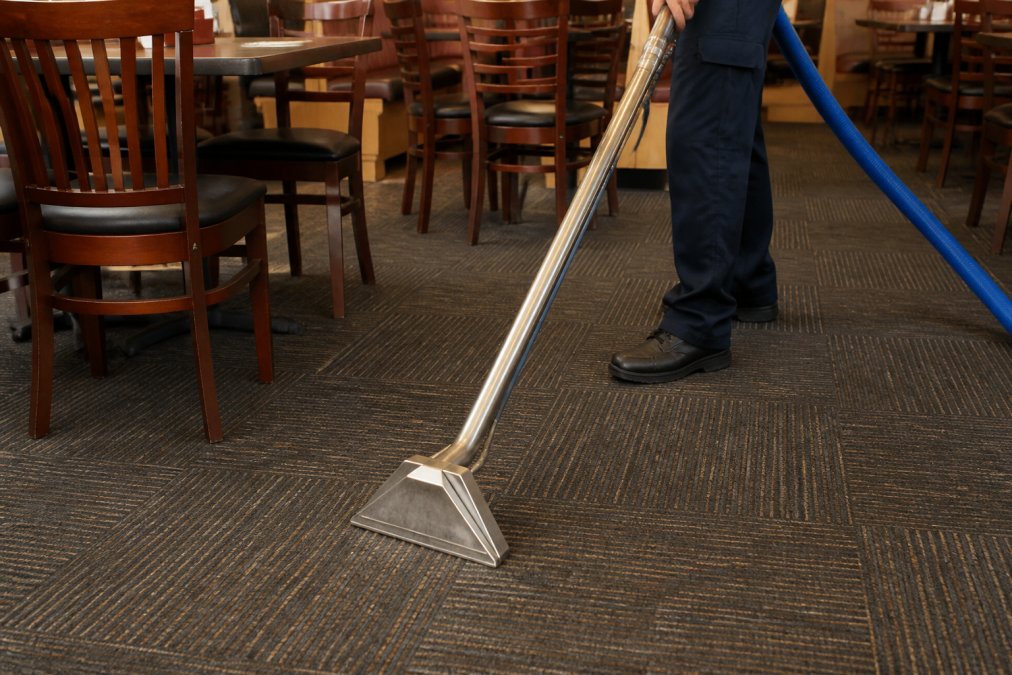
Restaurant carpets face a unique set of challenges. Unlike typical commercial spaces, dining areas absorb spills, tracked-in debris, grease splatters, and food residue daily. The combination of high foot traffic, moisture, and organic matter creates conditions where standard cleaning falls short. Carpet cleaning for restaurants isn’t just about appearance, it directly impacts health codes, customer perception, and the lifespan of your flooring investment.
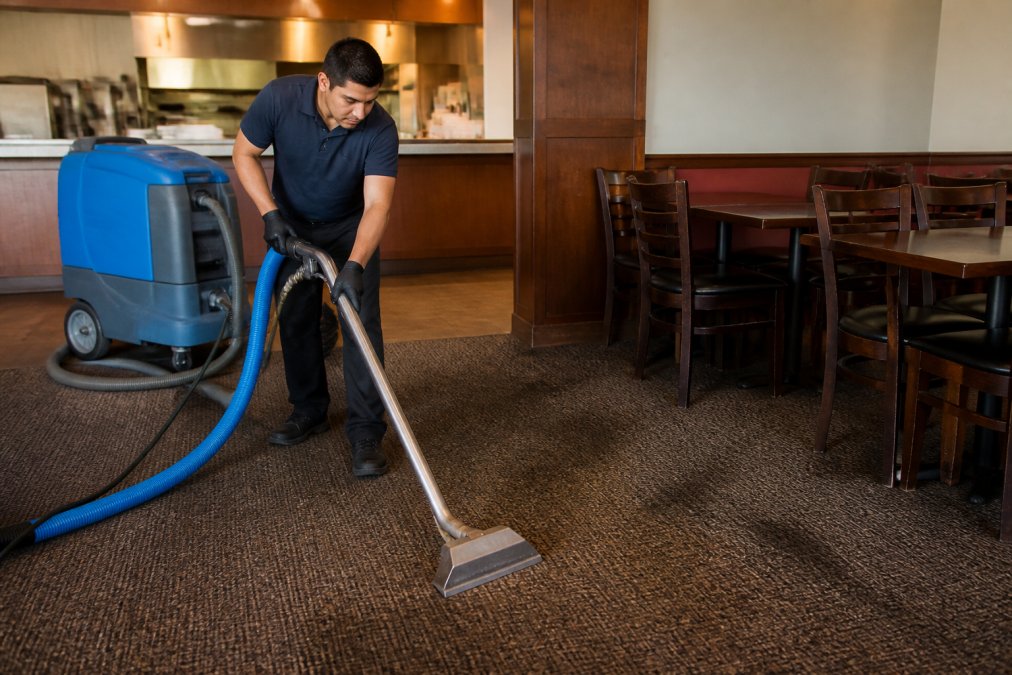
A clean dining room signals professionalism. Customers notice stained or dingy carpets immediately, and that perception shapes their entire experience. Beyond aesthetics, professional carpet maintenance prevents bacteria and odor buildup that can affect your restaurant’s reputation and regulatory standing. When you neglect carpet care, you’re not just looking at cosmetic problems; you’re risking compliance issues and increased replacement costs down the road.
Stay Fresh Steam Cleaning understands these pressures. Their team works with restaurants across the region to develop maintenance schedules that keep dining areas pristine without disrupting service. The difference between reactive cleaning (waiting until carpets look terrible) and preventative maintenance is significant, one protects your investment while the other guarantees premature replacement.
The stakes are higher in food service than in most commercial environments. Your carpet directly contacts customers, staff, and food preparation areas. That’s why the right approach to carpet cleaning for restaurants combines aggressive stain removal with quick-drying technology and food-safe solutions.
How often should restaurant carpets be cleaned? The answer depends on traffic volume, but most restaurants benefit from professional deep cleaning every 6-12 weeks, with spot cleaning and interim maintenance between sessions.
High-traffic areas, entryways, paths to restrooms, spaces near the bar, accumulate soil faster than low-traffic zones. These areas may need attention every 4-6 weeks. Low-traffic sections can extend to 12-week intervals. The key is establishing a schedule before visible soiling becomes a problem.
Interim maintenance matters as much as deep cleaning. Between professional sessions, daily vacuuming and spot treatment prevent soil from embedding into carpet fibers. Many restaurants implement a weekly light extraction clean using portable equipment and low-moisture solutions. This approach extends the time between deep cleans while maintaining appearance.
Consider your restaurant’s specific circumstances: cuisine type, customer volume during peak hours, and staff density. A high-volume steakhouse with bar service will need more aggressive cleaning than a casual lunch spot. Seafood restaurants face different stain challenges than pizza places. Your carpet cleaning for restaurants strategy should reflect your actual operational demands, not a generic schedule.
Professional services like Stay Fresh Steam Cleaning can assess your space and recommend a maintenance schedule tailored to your operation. They understand that restaurant managers need cleaning done during off-hours or slow periods, so timing becomes part of the service design.
Restaurant carpet cleaning requires commercial-grade equipment designed for heavy soil extraction and quick drying. Consumer-level machines simply don’t generate enough suction or heat to handle the embedded grease and food residue that accumulates in dining areas.
Hot water extraction, also called steam cleaning, remains the gold standard for deep carpet cleaning in restaurants. The process sprays heated water mixed with cleaning solution onto carpet fibers, then immediately extracts the liquid along with dissolved soil. The combination of heat, agitation, and powerful suction removes deep-seated dirt that surface cleaning can’t touch.
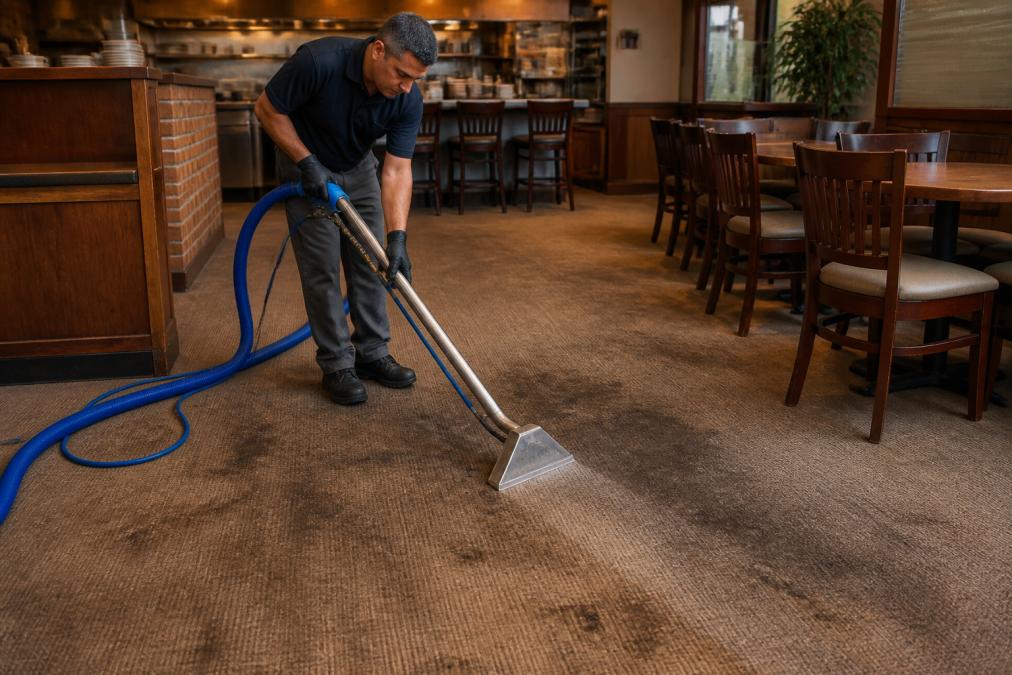
The effectiveness of hot water extraction comes from temperature. Machines that reach 200-220°F break down grease and oil far more effectively than cold-water systems. For restaurants, this thermal component is non-negotiable. Grease doesn’t dissolve in room-temperature solutions; heat is what makes the difference between acceptable results and truly clean carpets.
Heated extractors like the Mytee Lite III deliver both temperature and suction power. These portable machines combine compact size with commercial-strength performance, making them practical for restaurant environments where space is limited. The heated water tackles the grease-and-oil removal that defines restaurant carpet challenges, while the extraction system pulls moisture out quickly, critical for minimizing downtime.
Commercial-grade injection-extraction machines from manufacturers like Kärcher take this further. These walk-behind or ride-on systems spray cleaning solution under high pressure while simultaneously vacuuming up dirty water. They’re designed for facilities that need to clean large areas regularly. The unparalleled suction performance means carpets dry faster, reducing the disruption to service.
Portable extractors offer flexibility and maneuverability in tight spaces. A restaurant with standard booth seating, narrow aisles, and furniture placement benefits from portable equipment that can navigate around obstacles. The Mytee Lite III and similar portable heated extractors deliver commercial power in a package that fits through doorways and around tables.
Walk-behind and larger commercial extractors suit restaurants with open floor plans or those willing to move furniture for thorough cleaning. These machines cover more square footage per hour, making them cost-effective for full-facility deep cleans. However, they require more space to operate and typically work best during complete closures or extensive renovations.
For ongoing maintenance cleaning, portable heated extractors are the practical choice. They allow cleaning crews to work during off-hours without major disruption. For quarterly or semi-annual deep cleans, larger equipment may be more efficient.
| Equipment Type | Best For | Drying Time | Maneuverability | Cost |
|---|---|---|---|---|
| Portable Heated Extractor | Regular maintenance, tight spaces | 2-4 hours | Excellent | Moderate investment |
| Walk-Behind Extractor | Large open areas, full facility deep cleans | 1-2 hours | Good | Higher investment |
| Commercial Injection-Extraction | High-volume facilities, heavy soil | 1-2 hours | Fair | Significant investment |
Restaurants generate stains that most commercial spaces never encounter. The combination of food, beverages, grease, and high-traffic conditions creates a stain removal challenge that requires specific techniques and products.
Grease and oil stains are the signature restaurant carpet problem. These substances don’t dissolve in water alone; they require heat and chemical action to break down. The longer grease sits in carpet fibers, the more it bonds with the material and becomes nearly impossible to remove.
Immediate action matters. Fresh grease stains respond to spot treatment before they set. The HOOVER COMMERCIAL Professional Carpet Cleaning Solution is formulated specifically for ground-in dirt and grease in high-traffic areas. Its industrial-strength concentrate breaks down oil-based soils when applied with hot water extraction. One gallon yields up to 42 uses, making it cost-effective for restaurants that handle frequent grease incidents.
For stubborn, set-in grease stains, hot water extraction combined with a degreasing agent works best. The heat softens the grease while the chemical breaks its bond with carpet fibers. Extraction then removes both the dissolved grease and the cleaning solution, preventing residue buildup that causes rapid re-soiling.
Multi-Clean’s product line includes spotters designed specifically for greasy traffic smudges and oily stains. These solvents-fortified formulas cut through grease without leaving sticky residue, a critical consideration in restaurants where re-soiling happens fast.
Food and beverage stains, coffee, wine, juice, sauces, require different treatment than grease. These stains are often protein or tannin-based and respond well to enzymatic cleaners or oxidizing agents. The goal is to break down the stain’s molecular structure so it lifts during extraction.
Red wine and berry stains present a particular challenge in restaurants. These tannin-based stains set quickly and can become permanent if not treated promptly. Multi-Clean’s general-purpose Carpet Spotter handles fruit juices and wine stains effectively. Its detergent-and-solvent formulation loosens spots for quick removal without leaving residue.
For persistent food stains, a two-step approach works well: apply a spotting agent, allow brief dwell time (5-10 minutes), then extract with hot water. The dwell time lets the chemical break down the stain before extraction removes it. This method prevents the stain from just being pushed deeper into the pile.
SweepScrub’s Extraction Cleaner is formulated for everyday hot water extraction and handles food-based soils effectively. Its low-foam, residue-free formula prevents the rapid re-soiling that occurs when cleaning products leave sticky buildup in carpet fibers.
In restaurants, every hour a section of carpet is wet represents lost seating capacity or safety hazards. Quick-drying technology isn’t a luxury, it’s a business necessity. The difference between equipment that leaves carpets damp for 8 hours versus dry in 2-3 hours directly impacts your revenue.
Heated extraction machines achieve faster drying through two mechanisms: heat accelerates evaporation, and powerful suction removes more moisture during the cleaning pass. A portable heated extractor like the Mytee Lite III combines both advantages. The heated water loosens soil more effectively, reducing the need for multiple passes, and the strong suction leaves carpets drier.
Commercial-grade machines with high-PSI suction (100+ PSI) extract significantly more water than consumer equipment. This isn’t just about comfort; it’s about preventing mold and mildew growth in the carpet pad. Wet carpets that remain damp for extended periods develop odors and bacterial growth, the opposite of what you’re trying to achieve.
Low-moisture interim cleaning methods bridge the gap between deep cleans. SweepScrub ECO2, a peroxide-based low-moisture cleaner, dries in 30 minutes to an hour. It’s ideal for spot cleaning during service or quick maintenance passes between major cleaning sessions. The fast drying means minimal disruption to operations.
Air circulation accelerates drying regardless of equipment. Opening doors, running HVAC systems, and positioning portable fans dramatically reduces dry time. Professional cleaners coordinate these environmental factors as part of their service plan.
Restaurants operate in food-preparation environments where chemical residues pose health risks. Eco-friendly cleaning solutions aren’t just environmentally responsible, they’re practically necessary in food service settings.
The challenge is balancing effectiveness with safety. Harsh chemicals may clean faster, but they leave residues that accumulate and create slip hazards or contamination risks. Food-safe solutions perform the same cleaning function without those risks.
Multi-Clean PP-Gone uses peroxide-based chemistry to destroy odors and stains, particularly effective for urine odors in facilities with restroom-adjacent carpeting. Peroxide breaks down organic matter without leaving chemical residue, making it food-service appropriate.
SweepScrub ECO2 is explicitly formulated as an environmentally responsible low-moisture cleaner. Its peroxide base provides cleaning power while breaking down into water and oxygen, no toxic residue. For restaurants committed to sustainable operations, this represents a genuine alternative to traditional chemical cleaners.
Ecolab’s commercial carpet cleaning products are designed for facilities where food safety matters. Their solutions address the specific soils found in restaurants while meeting food-service safety standards. Ecolab’s reputation in commercial food-service environments reflects decades of work in exactly these conditions.
Restaurant carpet maintenance intersects with health codes and facility standards. Many jurisdictions include carpet cleanliness in health inspections, and documentation of regular professional cleaning demonstrates compliance.
Establishing a written maintenance schedule creates accountability and provides evidence of proper facility care. Professional services like Stay Fresh Steam Cleaning provide documentation of cleaning dates, methods, and products used, valuable during health inspections or when addressing customer complaints about cleanliness.
Compliance extends beyond health codes. Carpet condition affects slip-and-fall liability. Stained, soiled carpets accumulate moisture that increases slip risk. Regular professional cleaning reduces these hazards and demonstrates due diligence if incidents occur.
The frequency recommendations outlined earlier (6-12 weeks for deep cleaning, weekly interim maintenance) align with industry best practices for food-service facilities. Facilities with higher-risk profiles, those serving vulnerable populations like nursing homes or healthcare facilities, benefit from more aggressive schedules.
Documentation matters. Keep records of:
This documentation protects your business and demonstrates commitment to cleanliness standards.
Stay Fresh Steam Cleaning provides documentation and can coordinate scheduling around your restaurant’s operational needs. Their certified technicians understand food-service requirements and work with your staff to minimize disruption while meeting compliance standards.
Restaurant carpet cleaning isn’t just about making carpets look good, it’s about protecting your investment, maintaining health standards, and creating the dining atmosphere your customers expect. Professional-grade equipment, food-safe solutions, and a consistent maintenance schedule transform carpet care from a reactive problem into a managed asset.
Stay Fresh Steam Cleaning brings certified expertise to restaurant carpet maintenance. Their team understands the specific challenges restaurants face and delivers solutions tailored to your operation. From grease removal to quick-drying technology to eco-friendly solutions, they combine the right equipment with the right approach. Contact Stay Fresh Steam Cleaning for a maintenance assessment and see how professional carpet cleaning for restaurants protects both your flooring and your reputation.
High-traffic restaurant areas need professional deep cleaning every 4-6 weeks, depending on foot traffic and soil levels. Dining rooms with moderate traffic benefit from quarterly cleaning. Spot cleaning should occur daily to address spills immediately. A professional maintenance schedule prevents deep-seated dirt accumulation and extends carpet life significantly. Quick response to fresh stains prevents them from setting and becoming permanent.
Immediate spot treatment is critical for restaurant stains. Apply a general spotter with detergents and solvents to loosen grease and food residue without leaving sticky residue. For tough grease stains, heated extraction with industrial-strength solutions breaks down oils more effectively than cold water alone. Multi-purpose spotting agents work on coffee, food, and oily traffic smudges. Professional-grade equipment with strong suction power removes dissolved dirt completely, preventing re-soiling.
Hot water extraction (injection-extraction) is superior for restaurants because heat dissolves grease and oil stains common in food service environments. The heated solution penetrates carpet pile deeply, lifting ground-in dirt and food particles. Powerful suction removes moisture quickly, reducing drying time and minimizing disruption. Dry cleaning methods work for maintenance between deep cleanings but lack the heat and extraction power needed for heavy restaurant soiling.
Use pH-balanced, low-foam extraction cleaners that leave no residue and are safe for stain-resistant carpets. Peroxide-based cleaners offer fast drying and deodorizing without harsh chemicals. Eco-friendly solutions protect food service environments and staff safety. Avoid sticky residues that re-attract soil quickly. Professional-grade products designed for commercial use provide better results than consumer-grade solutions and are formulated to work with commercial extraction equipment.
This article was written using GrandRanker


