
- September 17, 2026
- in Blog
- by
- 11
- 0
Last Updated: September 16, 2026
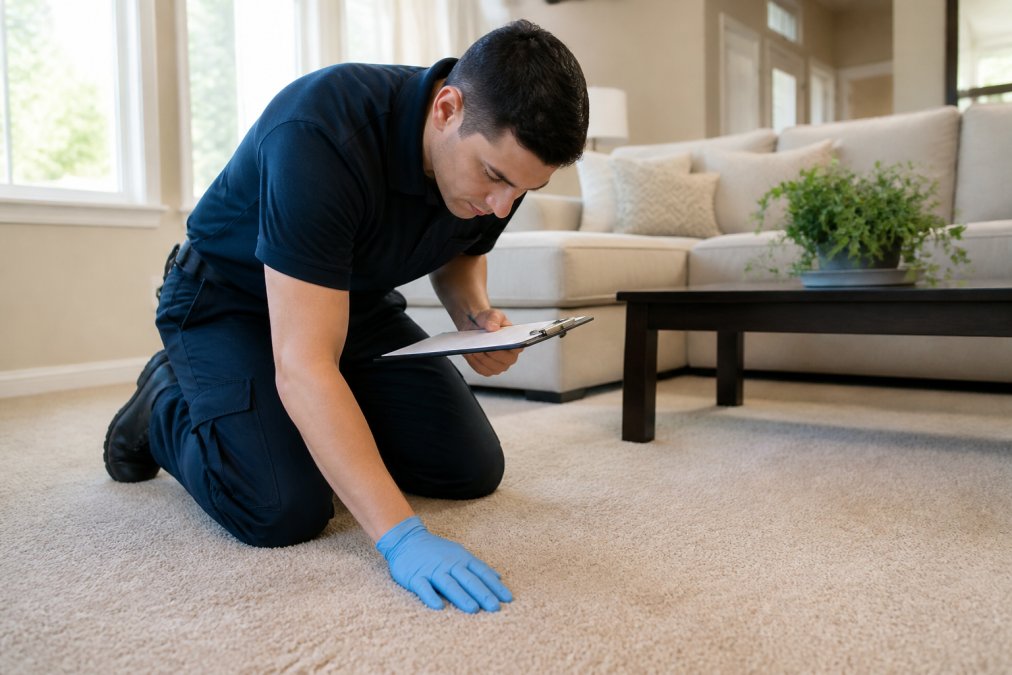
The process of professional carpet cleaning starts before any equipment is plugged in, with a trained technician walking your space, identifying fiber types, and mapping out your carpet’s specific challenges. This assessment is the foundation everything else builds on.
Here’s what a thorough pre-inspection covers:
A common mistake homeowners make is booking a cleaning without asking whether the technician will inspect first. If a company quotes you over the phone without seeing the carpet, expect generic results. The IICRC carpet cleaning standards outline why fiber identification and soil assessment are non-negotiable steps in any legitimate cleaning process.
Carpet cleaning preparation tips matter more than most people realize. What you do before the technicians arrive directly affects how thorough the cleaning can be.
Clear the floors. Pick up small items, toys, pet bowls, and anything on the carpet. Technicians can move furniture, but personal belongings slow the process and create tripping hazards.
Vacuum high-traffic areas. A quick pass removes loose surface debris, letting the pre-spray and hot water extraction focus on embedded dirt rather than surface dust.
Secure pets. Even the friendliest dog gets anxious when unfamiliar equipment starts running. A closed door keeps pets calm and prevents them from walking across wet carpet.
Identify problem spots. Point out pet stains, wine spills, or areas that have darkened over time so your technician can pre-treat them specifically rather than guessing.
Ask about your carpet’s warranty. Some manufacturers require professional hot water extraction at set intervals to keep the warranty valid. Checking beforehand saves headaches later.
Pre-vacuuming removes the dry soil that makes up most of what’s sitting in your carpet. Skipping it is like mopping a dirty floor without sweeping first: you just push mud around.
Commercial vacuums pull far more dry particulate matter than household units. After vacuuming, the technician applies a pre-spray, a pH-balanced solution designed to break the bond between soil and fiber.
Dwell time matters: most pre-sprays need several minutes to loosen embedded dirt, oils, and sticky residue so extraction can pull them out.
Pre-spotting comes next. Pet urine, red wine, coffee, and grease each require a different spotting agent; a one-size-fits-all approach leaves residue that attracts new dirt within weeks.
Pre-treatment quality separates a carpet that looks clean for two weeks from one that stays clean for months. The chemistry during dwell time does the real work.
Soil extraction is where the visible transformation happens, but its quality depends on three variables most homeowners never hear about: water temperature, wand pass technique, and passes per lane.
Pile agitation comes first. The technician uses a rotary scrubber (or CRB, counter-rotating brush machine) or grooming brush to work the pre-sprayed solution deeper into the pile. Agitation lifts soil from the base of the fibers and breaks the surface tension that keeps solution on top of the carpet instead of penetrating it. Without it, the extraction wand only removes what’s already loose.
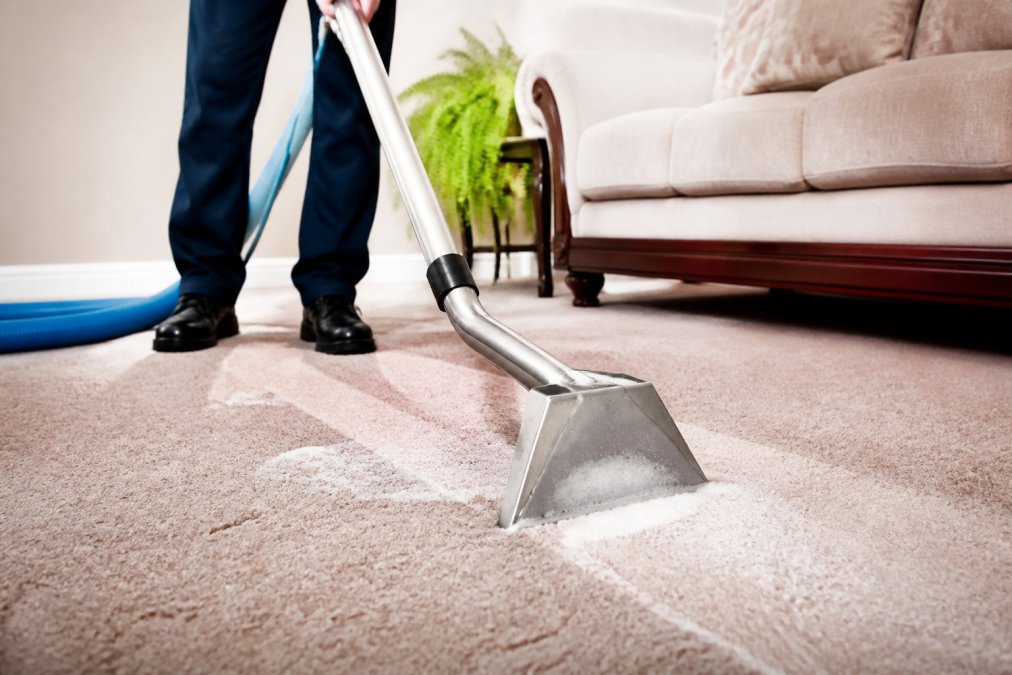
Hot water extraction, often called steam cleaning, is the dominant professional method in the United States. The wand injects heated solution at pressure and immediately vacuums it back out with suspended soil. Key variables:
Here’s how the main methods compare:
| Method | How It Works | Best For | Typical Drying Time |
|---|---|---|---|
| Truck-mounted hot water extraction | Heated solution from a vehicle-mounted unit | Whole-home deep cleaning | 4-6 hours |
| Portable extraction | Self-contained unit brought inside | Apartments, upper floors, tight access | 6-12 hours |
| Dry cleaning (low-moisture) | Minimal water, chemical compound or encapsulation | Delicate fabrics, quick turnaround | 1-2 hours |
| Encapsulation cleaning | Crystallizing polymer traps soil for later vacuuming | Commercial, maintenance cleaning | 1-2 hours |
Renting a machine and over-wetting your carpet can lead to delamination, where the backing separates from the fibers. This damage is permanent and expensive to fix. It’s the most common mistake homeowners make when trying DIY extraction.
The EPA guidance on indoor air quality and carpet notes that poorly maintained or over-wet carpets can harbor mold and allergens, which is why proper extraction and drying matter as much as the cleaning itself.
How long does carpet take to dry after professional cleaning? Most carpets dry within 4 to 6 hours with a truck-mounted extraction unit, depending on humidity, airflow, and carpet thickness. But the more useful question is what to do during those hours and if something looks wrong the next morning. This section covers the first 24 to 48 hours, where the difference between a good result and a great one shows up.
Drying time depends on several factors:
This is the part competitors skip. What you do in the first day determines how long the result lasts.
Even a well-executed cleaning can produce a surprise the next morning. Here’s what to look for and what it means.
The single most important post-cleaning step is airflow. Carpets that dry within 6 hours stay cleaner longer and resist mold growth. Carpets that stay damp for 24 hours become a breeding ground for allergens and odor. If something looks wrong the next morning, wicking and odor are usually fixable with a follow-up visit, not a sign the cleaning failed.
EPA guidance on indoor air quality and carpet
A full professional carpet cleaning includes pre-inspection, pre-vacuuming, pre-treatment of stains and high-traffic areas, soil extraction using hot water or dry methods, pile grooming, and controlled drying with air movers. It also covers furniture moving and protection, plus optional deodorizing and sanitizing. This multi-step approach removes embedded dirt and allergens that regular vacuuming leaves behind.
Most carpets are safe to walk on within 4 to 6 hours after professional cleaning, though full drying can take 12 to 24 hours depending on humidity and airflow. Wear clean socks or shoe covers during this window to avoid re-soiling. Avoid placing heavy furniture back until the carpet is completely dry to prevent moisture damage and pile distortion.
Steam cleaning, also called hot water extraction, uses heated water and a cleaning solution injected under pressure, then immediately extracted with a wand. Shampooing uses a rotary scrubber with a foamy detergent that stays in the carpet and requires a separate rinse. Hot water extraction removes more residue and is the method most professional carpet cleaning companies use for deep cleaning.
Clear floors of small items, vacuum lightly, and move breakable objects off surfaces. Secure pets in a separate room and arrange for someone to be home during the appointment. These carpet cleaning preparation tips help technicians work faster and ensure a thorough clean. Also point out any stains or problem areas so they can be pre-treated before the main extraction step.


