
- September 16, 2026
- in Blog
- by
- 96
- 0
Last Updated: August 23, 2026
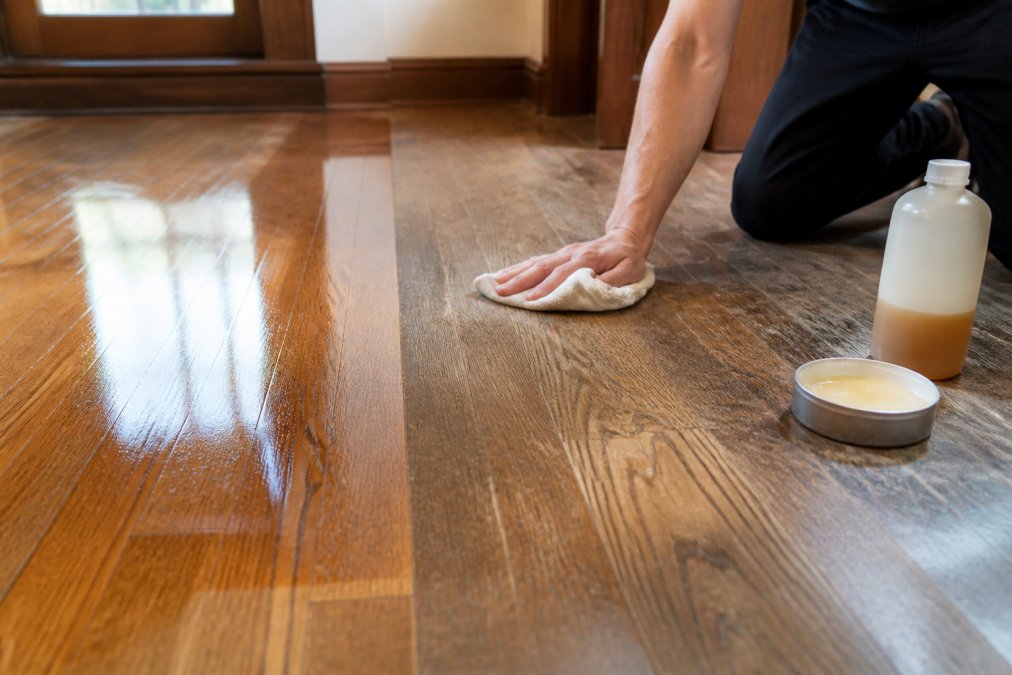
Hardwood floors are an investment that add warmth and value to any home. Over time, even beautiful hardwood can look tired and dull, usually due to buildup rather than damage. Dust, pet hair, and cleaning residue accumulate on the surface, trapping dirt in microscopic layers. Furniture feet scratch the finish. Moisture from spills and humidity causes the wood to swell slightly, creating micro-gaps where light can’t reflect evenly. Wax buildup from previous cleaning sits like a cloudy film. The wood itself hasn’t deteriorated; it’s been obscured.
At Stay Fresh Steam Cleaning, we’ve worked with homeowners who thought their floors were beyond help. Most of the time, they just needed the right approach to restore shine to dull hardwood floors. The key is understanding what caused the dullness, then addressing it specifically. This guide walks you through identifying the problem, preparing your floors properly, and choosing the right method to bring back that luster.
Before you apply anything to your hardwood floors, you need to know what finish you’re working with. This single step prevents costly mistakes.
Most hardwood floors have one of three finishes: polyurethane, wax, or penetrating oil. Each responds differently to cleaning and restoration methods.
Polyurethane is the most common modern finish, a hard, plastic-like coating that sits on top of the wood. To test for polyurethane, place a small drop of water on an inconspicuous area. If it beads up and doesn’t absorb, you have polyurethane. Polyurethane is durable but can develop a dull appearance when dust and residue coat the surface.
Wax finishes are older but still found in many homes. To identify wax, perform a water test: wax will absorb water more readily than polyurethane. You can also gently scrape a small hidden area with a coin. If you see white residue, that’s wax. Wax buildup is one of the most common reasons floors lose their shine, because each application adds another layer.
Penetrating oil finishes absorb into the wood rather than sitting on top. They’re less common in modern homes but appear in some older properties. Oil finishes don’t create a hard surface layer like polyurethane or wax and require different maintenance approaches.
Knowing your finish type determines everything that follows. A polyurethane floor might need a simple microfiber mop and water-based cleaner. A wax floor might need stripping before you can restore shine to dull hardwood floors effectively. An oil-finished floor needs penetrating oil reapplication, not surface polish.
You can’t restore shine to dull hardwood floors without removing what’s blocking light reflection. Preparation is where most DIY attempts fail.
Start with a vacuum using the hard-floor attachment or a broom. Vacuuming removes dust, pet hair, and debris that would otherwise scratch the floor when you mop. After vacuuming, use a dry microfiber cloth or dust mop to pick up remaining particles. Microfiber attracts dust electrostatically rather than just pushing it around.
Pay special attention to corners, baseboards, and under furniture. Dust settles in these areas and migrates back onto the floor when you move pieces around. If you have pets, this step is essential.
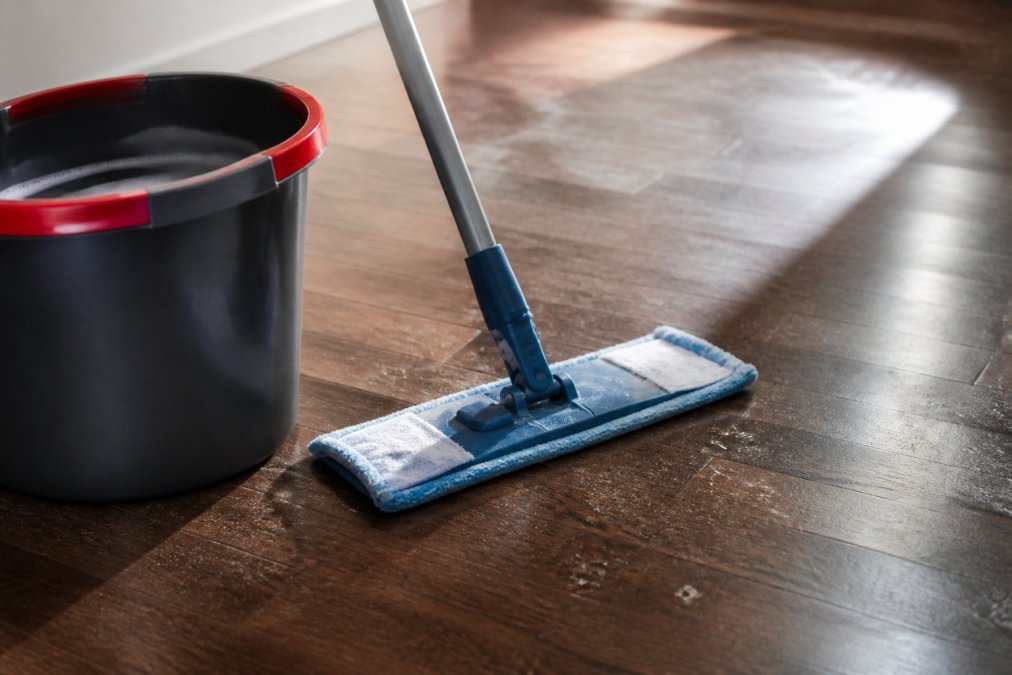
Once dust is gone, clean the surface. A vinegar-based solution is effective and safe for your finish. Mix one part distilled white vinegar with one part water in a spray bottle. Spray lightly onto a microfiber cloth, never directly on the floor, as excess moisture damages hardwood. Wipe in the direction of the wood grain.
For tougher grime, add a few drops of olive oil to the vinegar solution for extra cleaning power and wood nourishment. For stubborn marks, mix equal parts rubbing alcohol and water. Alcohol evaporates quickly, so you don’t have to worry about moisture sitting on the wood.
The key principle: the cloth should be damp, never wet. If you can wring water out of your cloth, you’re using too much liquid. After cleaning with any solution, follow up with a dry microfiber cloth to remove remaining moisture and prevent streaking.
If your floor has a wax finish or years of wax buildup, you can’t simply polish over it. Wax layers trap dirt and prevent new finishes from adhering properly.
For a DIY approach, mix one part rubbing alcohol with two parts water. Apply this solution to a cloth and wipe the floor section by section. The alcohol dissolves wax without damaging the wood underneath. Work in manageable areas, perhaps one room at a time. As you wipe, you’ll see the cloth pick up a cloudy residue, that’s the wax coming off. Multiple passes may be needed to remove years of buildup.
Once you’ve removed visible wax, do a final pass with a cloth dampened in distilled water only. This removes any residual alcohol or wax particles. Follow immediately with a dry cloth to eliminate moisture.
For heavy wax buildup, a commercial wax stripper designed for hardwood floors is more effective. Follow the product instructions carefully, as application methods vary.
After wax removal, your floor may look dull and flat. This is normal. Now you’re ready to restore shine to dull hardwood floors with appropriate polish or oil.
With buildup removed and the floor clean, it’s time to apply a product that restores shine. Your options depend on your floor finish and desired appearance.
For polyurethane-finished floors, a water-based hardwood floor polish works well. These products contain resins that add luster without heavy buildup over time. They’re pH-neutral and won’t damage the polyurethane layer. Application is straightforward: apply with a microfiber cloth in thin, even coats, following the wood grain direction.
If you prefer a more natural approach, penetrating oil works for any hardwood finish. Tung oil or Danish oil are popular choices. These oils absorb into the wood, enriching the grain and providing subtle sheen while conditioning the wood, particularly valuable in dry climates.
For floors that have lost significant shine, a combination approach works best. First apply penetrating oil to nourish the wood and restore natural grain appearance. After it dries (usually 24 hours), apply a water-based polish on top for additional luster and protection.
Avoid old-style paste waxes unless you’re specifically trying to recreate a waxed finish. Paste wax builds up quickly and creates maintenance headaches.
Applying polish correctly makes the difference between a floor that gleams and one that looks streaky or uneven.
Start in a corner of the room, away from the main traffic area. Pour a small amount of polish onto a clean microfiber cloth, you want the cloth damp with product, not soaking. Apply in overlapping strokes, always following the wood grain direction. Work in sections about three feet by three feet.
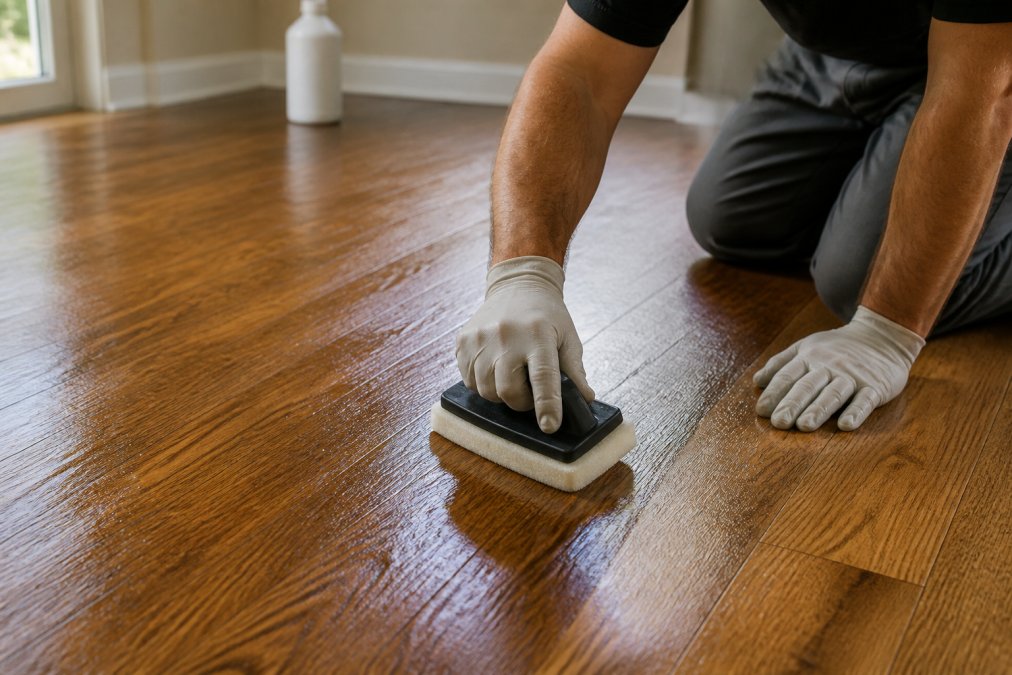
Once you’ve applied polish to a section, use a clean, dry microfiber cloth or buffing pad to remove excess product and bring out the shine. This buffing step is crucial, it removes haze, blends the application, and creates the reflective surface you’re after. Buff in circular motions, then finish with strokes following the grain.
Move to the next section and repeat, maintaining consistency in application thickness and buffing technique across the entire floor. Allow the polish to cure according to product instructions, typically 24 to 48 hours before walking on the floor normally (the EPA).
If you’re using penetrating oil, the process is similar but curing time is longer, typically 48 to 72 hours (peer-reviewed research). Ventilation speeds drying, so open windows and use fans if possible.
Polish works when the finish itself is intact but dull. If your polyurethane coating is still sound and the wood underneath is undamaged, polish will restore shine to dull hardwood floors effectively.
Refinishing is necessary when the finish has failed. If your floor shows deep scratches that go through the finish into the wood, stains that won’t come clean, or areas where the finish has worn completely away, polish won’t fix it. Refinishing involves sanding away the old finish, staining if desired, and applying a fresh protective coat.
Stay Fresh Steam Cleaning can assess your floor’s condition and recommend the right approach. Sometimes what looks like a refinishing job is actually just heavy buildup that responds to thorough cleaning and polish. The cost difference is significant, but professional refinishing is necessary when damage runs deep.
Once you’ve restored shine to dull hardwood floors, keeping that shine requires consistent maintenance.
Dust weekly with a microfiber mop or cloth to prevent dust and pet hair from accumulating. Damp-mop monthly using the vinegar and water solution, using the same damp-cloth technique. Wipe up spills immediately, as water is hardwood’s enemy.
Reapply polish or oil every six to twelve months, depending on traffic and your preference. High-traffic areas may need more frequent reapplication. Use area rugs in high-traffic zones to protect these areas and reduce polish reapplication frequency.
Maintain consistent humidity in your home between 35 and 55 percent. Hardwood expands and contracts with moisture changes, creating micro-gaps that dull the finish. Protect furniture feet with felt pads to reduce scratches and dark marks.
For pet owners, establish a routine: vacuum or sweep daily, damp-mop weekly, and address accidents immediately. The extra effort pays off in longer-lasting shine and fewer stains.
Dull hardwood floors don’t have to stay that way. Most of the time, the solution is simpler than you think: proper cleaning, the right product, and correct application. If you’re uncertain about your floor’s condition or dealing with stubborn stains and buildup that resist DIY efforts, professional assessment can save you time and prevent mistakes. Stay Fresh Steam Cleaning specializes in hardwood floor care and can evaluate whether your floors need polish, deep cleaning, or professional refinishing. Contact us to schedule an inspection and get your floors back to their best.
Pour a few drops of water on an inconspicuous area. If the water beads up, you have a polyurethane or protective coating. If it absorbs or darkens the wood, you likely have wax or oil finish. You can also rub a small hidden spot with rubbing alcohol on a cloth, if it dulls or leaves residue, wax is present. Identifying your finish before cleaning prevents damage and ensures you use the right restoration method.
Polishing restores shine to an existing finish by removing surface buildup and applying a new protective layer of polish or wax. Refinishing involves sanding away the entire top layer and applying a fresh coat of stain and polyurethane or other finish. Professional hardwood floor refinishing is a major project that takes several days, while polishing is a maintenance task you can do yourself or have professionals handle in one visit. Choose polishing for dull but undamaged floors; refinishing for deep scratches, stains, or worn-through finishes.
No, vinegar and oil work best on wax-finished or unfinished hardwood floors. For polyurethane-coated floors, these solutions can leave streaks or damage the finish. Always test your cleaning solution on a hidden area first. A pH-neutral cleaner is safer for most sealed hardwood. If you're unsure about your floor's finish, contact a professional who can assess it and recommend the safest restoration approach for your specific floor type.
In high-traffic areas, polish or wax every 3-6 months to maintain luster and protect the wood grain. In lower-traffic rooms, every 6-12 months may be sufficient. Pet owners should consider more frequent maintenance due to paw prints, moisture, and potential scratches. Regular dusting and damp mopping between polishing sessions extend the time between full treatments. Professional maintenance schedules can be customized based on your home's traffic patterns and whether you have pets or children.
This article was written using GrandRanker


