
- October 8, 2026
- in Blog
- by
- 19
- 0
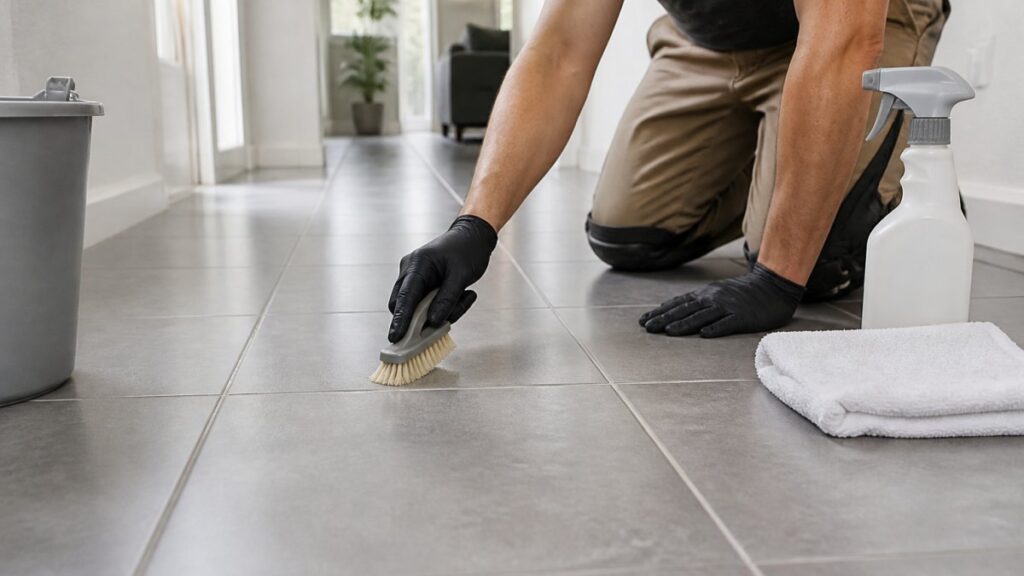
Last Updated: October 8, 2026
Grout fails silently. By the time water seeps through, stains spread, or tenants complain about mold, you’re facing expensive repairs.
Stay Fresh Steam Cleaning helps property managers and landlords treat grout maintenance as a scheduled process rather than a crisis response.
Here’s what most owners miss: grout isn’t just cosmetic, it’s a barrier.
Consistency beats intensity. Small, regular actions prevent the buildup that leads to permanent damage. Your rental needs two levels of maintenance: daily spill response and weekly deep cleaning.
Respond to spills fast. Water left on grout absorbs into the pores, stains set, and mold grows.
Train tenants and guests on spill cleanup. Post simple instructions in bathrooms and kitchens.
For your own inspections, keep these items on hand:
Wipe spills immediately and squeegee bathrooms after showers. Don’t let water pool on grout lines, this habit prevents mold and staining.
Once a week, spend 15 minutes on deeper grout cleaning to remove dirt before it hardens and stains.
For high-traffic areas, make the weekly routine non-negotiable. Bathrooms and kitchen tile get dirty faster and need attention every seven days.
Weekly cleaning also surfaces early warning signs, cracks, discoloration, or areas where water beads differently, so you can prevent costly repairs.
Sealing is the highest-leverage preventative task for rental grout, but “seal every few years” is not a schedule. The right interval depends on grout type, traffic, moisture, and cleaner.
Not all grout accepts the same sealer. The wrong product wastes money and can leave a film that traps dirt.
A common pattern is to seal cement grout and leave epoxy and urethane alone unless the manufacturer says otherwise. Confirm the grout type before buying sealer; if unsure, test in an inconspicuous spot.
The water test tells you whether the sealer still works. Here’s a repeatable version:
Run this test in the same spots each time: high-traffic zones monthly; low-traffic areas quarterly.
Use these ranges as starting points, then adjust based on water test results:
Several factors shorten these intervals:
Resealing is predictable, so treat it as a scheduled expense. Add a resealing line to each property’s annual maintenance budget and put the next reseal date in your turnover spreadsheet. When the water test fails or the interval arrives, reseal before the next guest checks in, a worn sealer is where small stains become permanent and water reaches the substrate.
Not all cleaners work on all grout. The wrong product can damage grout or leave residue that attracts dirt, so match your method to the grout type and tile material.
Cement-based grout is porous and stains easily but responds to gentle cleaners.
Epoxy grout is harder, less porous, and more stain-resistant than cement grout. Slightly stronger cleaners are fine, but avoid abrasive scrubbing.
Never mix cleaners. Combining bleach and ammonia creates toxic fumes (the CDC). Stick to one product at a time.
Pressure washing is tempting for turnovers, it’s fast and looks effective, but high pressure damages grout, forcing moisture into the substrate and dislodging tiles.
Use low-pressure washing only, keep the nozzle moving, and never let pressure concentrate on one area. Better yet, save pressure washing for outdoor tile.
For serious stains or heavy buildup, professional cleaning is worth it.
Catch grout problems early, once damage spreads, repairs get expensive. Learn the signs that resealing is overdue or deeper damage is developing.
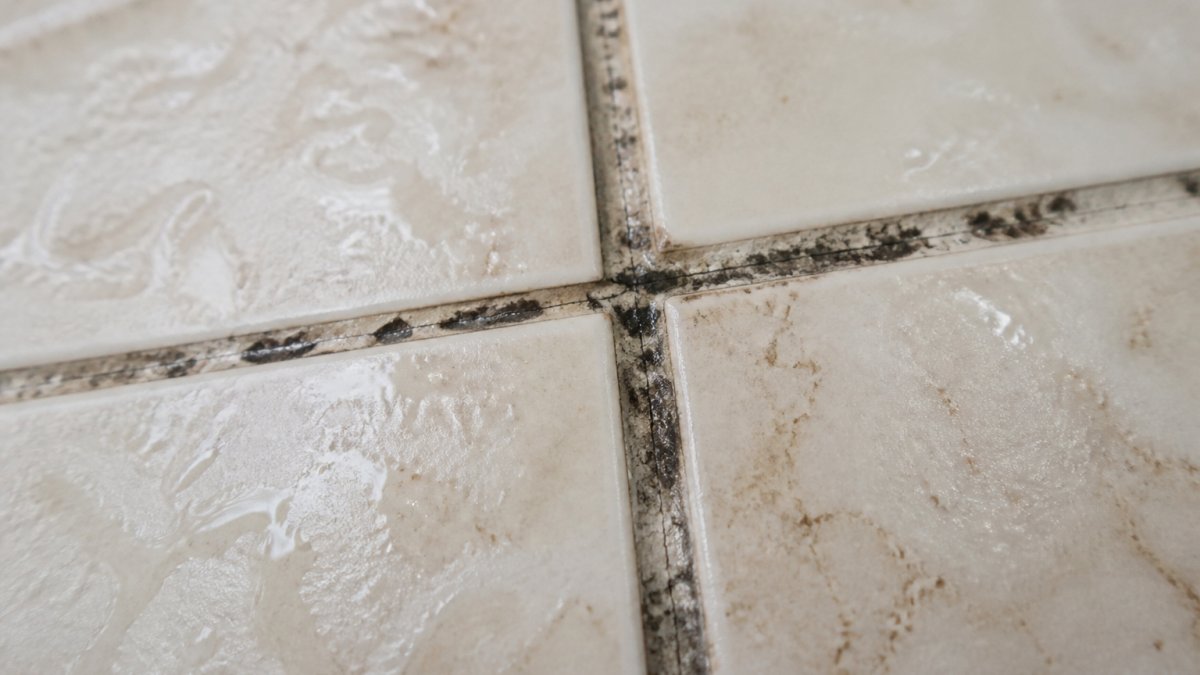
Discoloration is the first sign. Grout darkens as it absorbs dirt and water.
Cracks in grout lines are serious.
Crumbling or missing grout is an emergency, if grout is disappearing, tiles will loosen, so act immediately.
Efflorescence, white, chalky deposits on grout, means water is moving through the substrate. This indicates moisture problems behind the tile.
Do the water test regularly in different areas, testing high-traffic zones monthly. If water absorbs instead of beading up, resealing is due.
Mold is a health hazard and a common tenant complaint that grows in damp grout.
Mold in bathrooms often means inadequate ventilation. Ensure exhaust fans run during and after showers. Improve air circulation. Dry the area regularly.
Turnover is the only reliable window to catch grout damage before the next guest arrives. A repeatable workflow, a consistent checklist, dated photos, and a log, turns it into a record you can act on and defend.
Walk every tiled area, checking each item and noting its location and condition.
Prioritize bathrooms, kitchens, entryways, and any tiled floor with daily foot traffic, these wear and fail first.
Photos are the backbone of the workflow. Take them the same way every time so comparisons are meaningful.
Use a simple naming convention so photos sort in order: property address, date, area, and stage. Naming files for the property, date, bathroom, and “before” or “after” keeps the sequence clear.
A one-row-per-event log turns scattered notes into a maintenance history. Record:
After a few turnovers, patterns emerge: which areas stain first, which need resealing sooner, and which trend toward regrouting. That history lets you schedule work instead of reacting to it.
Use inspection results to route each area:
Once inspection and any resealing or repair are done, note the next reseal date in the log and the property’s maintenance calendar. The next turnover then starts from a known baseline, that continuity separates a preventative program from one-off cleaning.
Most grout damage comes from neglected spills: a stain that sits for hours sets permanently, and a spill left for days lets water penetrate and weaken grout.
Post a one-page guide in each bathroom and the kitchen. Keep it simple:
Immediate Response to Spills:
For Stains:
What NOT to Do:
When to Call:
This simple guide prevents most tenant-caused damage. Tenants who understand that quick action prevents staining are more likely to act.
Preventative grout maintenance for high-traffic rentals protects your investment and keeps turnover costs low.
In high-traffic rentals, grout should be spot-cleaned daily to address spills immediately and deep-cleaned weekly to prevent stain buildup. Monthly professional cleaning is recommended for busy properties with frequent guest or tenant turnover. The exact schedule depends on foot traffic volume and the type of stains common in your property. Properties with pets or heavy use may need more frequent attention.
Quality grout sealer typically lasts 1 to 3 years in high-traffic rentals, depending on foot traffic, moisture exposure, and the sealer type used. High-traffic areas may require resealing every 12 to 18 months, while lower-traffic zones can extend to 2 to 3 years. Regular inspection for water absorption and staining helps determine when resealing is needed. Professional application and maintenance of preventative grout maintenance practices extend sealer lifespan significantly.
Use pH-neutral, non-toxic cleaners specifically formulated for grout and tile. Avoid bleach, acidic cleaners, and harsh chemicals that can damage grout and pose health risks. Commercial grout cleaners labeled as non-toxic and pet-safe are effective alternatives. Always test any cleaner on an inconspicuous area first, and ensure proper ventilation during cleaning to protect occupants.
Schedule professional grout cleaning for high-traffic rentals, or immediately after detecting heavy staining, mold, or mildew. Grout repair or regrouting is necessary when cracks appear, grout is missing, or water absorption increases significantly. Professional services are especially important during tenant or guest turnover to restore grout to like-new condition and document the property’s condition for liability protection.


