
- September 21, 2026
- in Blog
- by
- 4
- 0
Last Updated: September 21, 2026
Grout is cement-based, and cement is porous. When you skip sealer, water, oil, and soap scum soak straight into those pores, and the damage starts within weeks, not years. This guide from Stay Fresh Steam Cleaning explains exactly what happens if you do not seal grout, how to tell whether your grout needs sealing, and when to call in a professional.
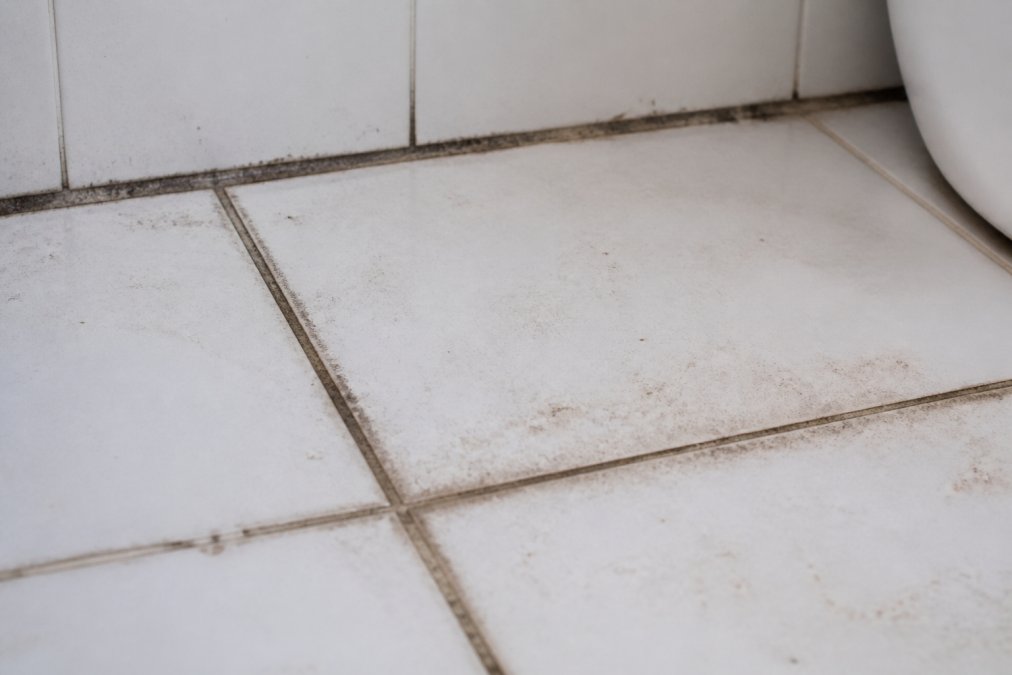
The first thing you will notice is color. Grout that was once uniform gray or white develops dark patches along the highest-traffic lines. That is not surface dirt sitting on top. It is staining that has penetrated below the surface, and it will not lift with a sponge.
Cementitious grout absorbs liquids the way a sponge does. Spilled coffee, cooking oil, pet accidents, and even hard water minerals all migrate into the grout body. Once absorbed, the stain bonds with the cement, and surface cleaning stops working.
Discoloration follows a predictable path. Traffic lanes darken first. Then the grout around the toilet, sink, and shower floor. Grout haze from the original tile installation can also trap dirt and make the problem worse. By the time the discoloration is obvious, the grout has been absorbing moisture for months.
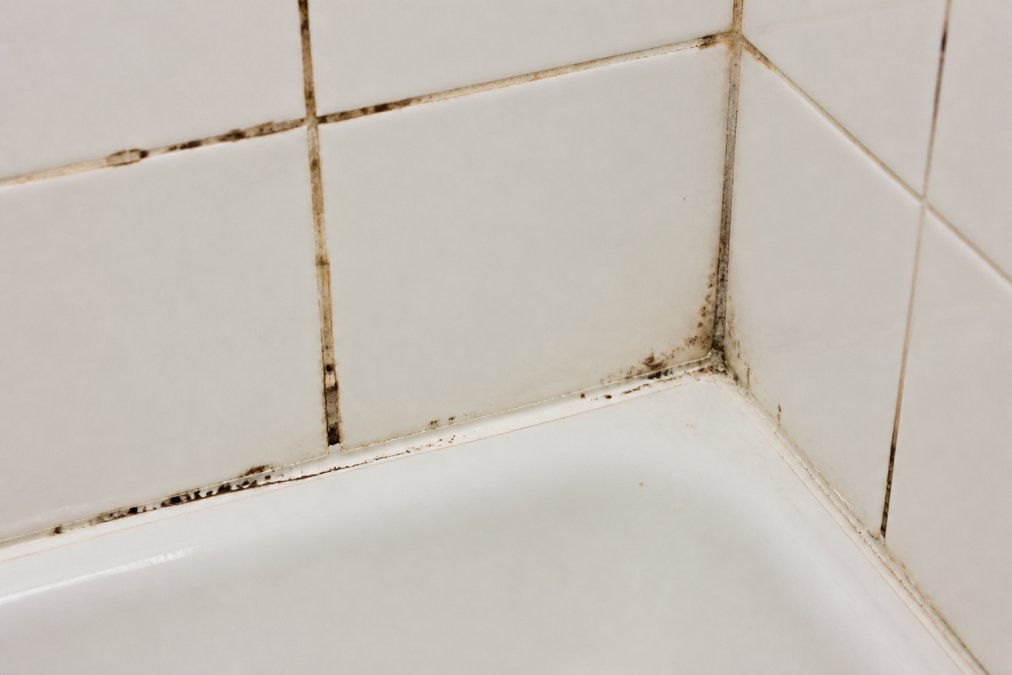
Damp grout is a growth medium. Mildew buildup and bacterial growth thrive in the warm, wet environment of a shower or around a kitchen sink, and unsealed grout gives them a permanent home.
The signs are hard to miss once you know them. Black speckling along the caulk line. A musty smell that returns days after cleaning. Grout that feels slick even when it looks clean. Scrubbing removes the surface growth, but the moisture trapped inside the grout feeds the next round.
No. Epoxy grout does not need sealing. Cementitious grout does. That single distinction explains most of the conflicting advice you will find online, and it is the first thing to settle before you buy a sealer or book a service.
Cementitious grout is the traditional sand-and-cement mix. It is porous, water-absorbent, and needs a sealer to resist staining. Most tile installations in older homes use it.
Epoxy grout is a two-part resin system. It cures hard, non-porous, and resists water and stains on its own. Sealer will not penetrate it, so applying one is wasted effort.
Urethane and siliconized grouts sit between the two.
| Grout Type | Needs Sealing? | Why |
|---|---|---|
| Cementitious | Yes | Porous, absorbs water and oil |
| Epoxy | No | Non-porous resin, resists stains |
| Urethane | Often | Better water resistance, still benefits |
| Siliconized | Sometimes | Check manufacturer guidance |
Most homeowners have never been told which grout they have, and the answer changes everything about maintenance. You can identify it in about two minutes with no special tools.
Sealing epoxy grout is not just unnecessary, it is money spent on a coating that will sit on the surface and wear away without doing anything. Sealing cementitious grout is the opposite: it is the single cheapest step that extends the life of the installation. Knowing which one you have prevents you from paying for the wrong service and from skipping the one that actually protects your tile.
Most cementitious grout needs sealing every 12 to 18 months. High-traffic or high-moisture areas, like a shower floor or a busy kitchen, often need it sooner.
A maintenance schedule that actually works looks like this:
Water beading on the surface means the sealer is still working. Water darkening the grout within a minute or two means it has failed.
Watch for these signs grout needs resealing:
Drip a few drops of water onto the grout and wait. If the water beads up and rolls off, the sealer is intact. If it soaks in and the grout darkens, the sealer has worn through and it is time to reseal.
The best grout sealer depends less on brand and more on where the grout lives. A shower floor and a hallway floor face completely different conditions, and using the same product in both is a common mistake.
In a shower, grout is wet for part of every day and stays damp in between. That constant moisture is what drives mildew and what breaks down sealers fastest.
Dry areas face a different problem: occasional spills, foot traffic, and dust rather than standing water. Here a topical sealer can work, and it has one advantage, it adds a slight sheen and a sacrificial layer that takes the wear instead of the grout.
| Area | Best Sealer Type | Why |
|---|---|---|
| Shower floor and walls | Penetrating, low-perm | Constant moisture, no film to peel |
| Bathroom floor (dry zones) | Penetrating | Occasional splashes, low maintenance |
| Kitchen backsplash | Penetrating | Grease and food splatter, easy to clean |
| Kitchen floor | Penetrating or topical | Traffic and spills, topical adds sheen |
| Hallway and living areas | Penetrating or topical | Low moisture, topical for appearance |
| Exterior or damp stone | Breathable, high-perm | Must allow vapor to escape |
Some sealers are marketed as color-enhancing or as colorants that both seal and change the grout shade. These can be useful if your grout is permanently stained and you want a uniform look, but they behave more like a topical coating than a penetrating sealer. In a shower, treat them with the same caution you would any film-forming product.
Sealing grout is cheap. Replacing it is not. That is the whole argument in one sentence.
A cost-benefit comparison makes the choice obvious:
| Approach | What It Involves | Long-Term Outcome |
|---|---|---|
| Seal on schedule | Periodic application, 1-2 hours | Grout lasts years longer |
| Skip sealing | Deep cleaning attempts, spot scrubbing | Staining, mildew, eventual replacement |
| Repair after failure | Grout removal, re-grouting, possible subfloor work | Highest cost, most disruption |
Many contractors skip sealing because they are not required to include it in a standard tile installation quote, and some believe modern grout mixes are pre-sealed. Cementitious grout remains porous even when labeled ‘stain-resistant,’ so it still absorbs liquids over time. Skipping sealer keeps the bid lower, but it leaves the grout vulnerable to stains, moisture, and mildew from day one.
It is rarely too late, but the prep work changes. If grout is already stained or mildewed, a sealer will trap that discoloration instead of protecting it. You need a deep cleaning or steam treatment first, then a penetrating sealer once the grout is fully dry. Severely degraded grout with crumbling or missing sections may need regrouting before sealing will help.
Yes. Unsealed cementitious grout absorbs water and stays damp, which creates the moisture mold needs. Mildew buildup and bacterial growth are common in showers, backsplashes, and bathroom floors where grout stays wet. Sealing slows water absorption and gives you more time to dry the surface, which reduces the conditions mold thrives in.
For showers, look for a penetrating sealer rated for wet areas rather than a topical sealer that sits on the surface and can peel. Silicone-based penetrating sealers resist water absorption well in high-humidity spaces. Check the label for shower or wet-area use, and expect to reseal more often than in dry rooms because of constant moisture exposure.


