
- October 7, 2026
- in Blog
- by
- 21
- 0
Last Updated: October 6, 2026
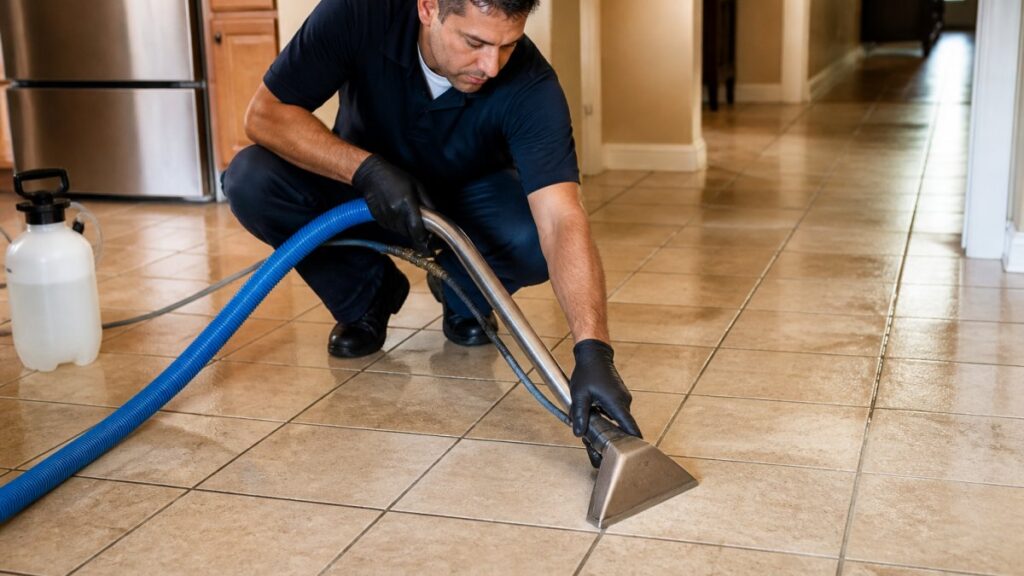
Tile and grout collect dirt, bacteria, and stains that regular mopping can’t reach. Grout is porous, absorbing spills, moisture, and grime deep into the material, which dulls your tile’s appearance and can compromise the longevity of your surfaces. Professional tile and grout cleaners use specialized equipment and techniques to restore both the tile and the grout lines, where most homeowners struggle.
Hiring professional tile and grout cleaners is an investment in surface restoration that extends the life of your flooring and creates a genuinely clean environment, not just a surface-level clean.
The difference between a quick vacuum and professional cleaning is substantial. DIY approaches address visible dirt; professional cleaning removes embedded contaminants, sanitizes grout lines, and applies protective sealants that prevent future staining. For bathrooms, kitchens, and entryways where moisture and foot traffic converge, this matters.
You can rent a steam cleaner from a hardware store for a weekend, but rental equipment has real limitations. Rental machines operate at lower pressure and temperature than professional-grade equipment, and they require you to handle demanding, time-consuming physical labor that often produces uneven results.
A rental machine might cost $50 to $100 for a day. You’ll spend hours on your hands and knees, and the results are often temporary: grout that looks clean after DIY cleaning frequently re-soils within weeks because embedded dirt wasn’t fully removed and no protective sealant was applied.
Professional tile and grout cleaning delivers consistent, lasting results. Professional cleaners bring equipment operating at higher temperatures and pressures, reaching dirt you cannot access yourself. They understand how different tile types and grout compositions require different approaches, and they apply sealers that protect grout from future staining.
The real trade-off isn’t cost alone. It’s time, physical effort, and results. For most homeowners, professional service is the practical choice.
Most pages tell you to “ask about experience and insurance” and stop there. What’s missing is a checklist you can actually run through, the documents to request, the questions that separate a trained technician from a person with a rented machine, and the answers that should make you walk away. Use the following as a script when you call a provider.
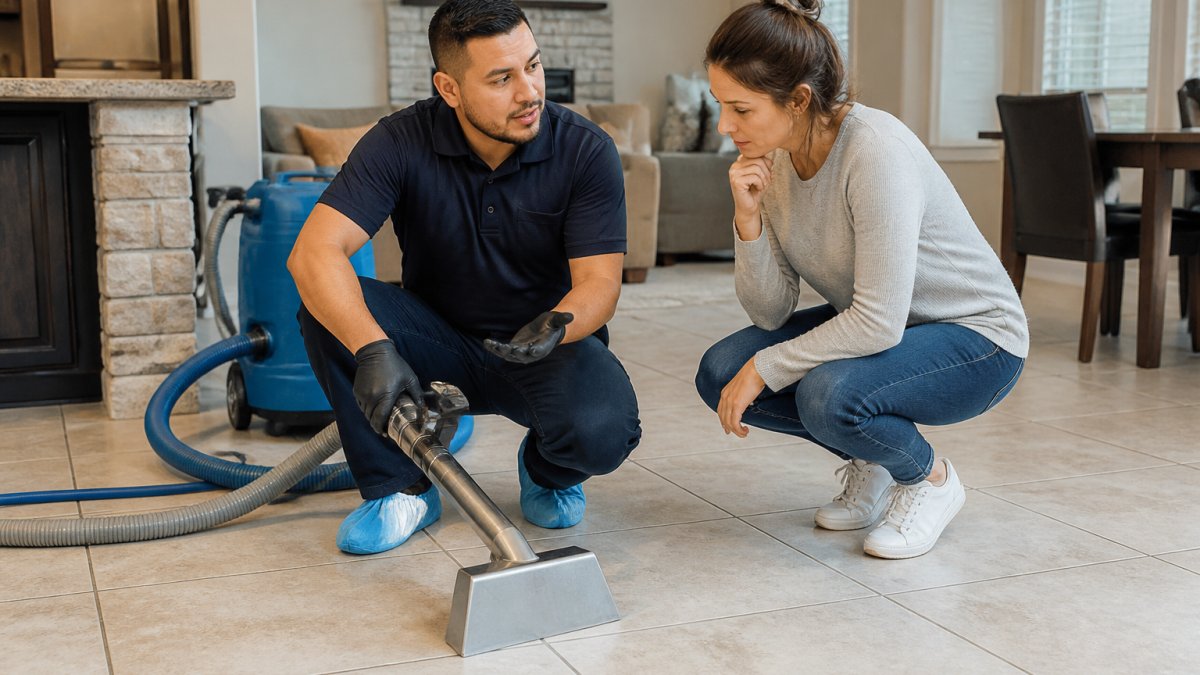
Work through these in order. A legitimate provider will answer all of them without hesitation.
1. Licensing, insurance, and bonding. Ask for a certificate of insurance showing current general liability coverage.
2. Background checks on technicians. Because someone will be inside your home, ask whether technicians are background-checked and whether the same crew that quotes the job performs it.
**3.
4. References and recent work. Ask for two or three references from jobs similar to yours, same tile type, similar soil level, and, where possible, before-and-after photos.
5. Written, itemized estimate. Request the quote in writing with the scope broken out: cleaning, pre-treatment, grout repair or recoloring, sealing, and any minimum or trip fee.
**6. Hot water extraction is standard for most residential tile and grout because it forces heated solution into the grout lines and immediately extracts the suspended soil.
7. Chemistry and safety. Ask what products will be used, whether they’re safe around children and pets, and how the space should be ventilated.
8. Guarantee and re-cleaning policy. Ask what happens if you’re not satisfied.
Once you’ve chosen a provider, a little preparation makes the visit smoother:
Running this checklist takes a few minutes per provider and is the difference between hiring a trained professional and hoping for the best.
Professional tile and grout cleaning typically takes 2-4 hours for a standard bathroom, depending on size and condition. A kitchen with extensive tile backsplash or flooring may take 3-5 hours, and larger areas or heavily soiled grout require more time.
The timeline also depends on the method. Hot water extraction takes longer than dry cleaning because the equipment must work systematically across each surface, but the deeper clean justifies the time.
Ask about scheduling flexibility when you request your quote.
Pricing is where most hiring decisions stall, and it’s the topic the pages currently ranking for this query barely touch. Rather than a single national rate, professional tile and grout cleaning is priced by how the company charges combined with what your surfaces require. Understanding both lets you compare bids on equal footing.
Most providers use one of three models, and you should ask which one you’re being quoted under:
Ask about minimums and trip charges. Many companies set a minimum job price so a single small bathroom is still worth the drive, and some add a separate trip or assessment fee. A low quote may simply exclude sealing, a minimum, or a second visit for sealant cure.
Once you know the pricing model, these are the variables that move the number:
A useful quote is itemized: cleaning charge, pre-treatment, grout repair or recoloring, sealing, and any minimum or trip fee as separate lines. A single lump-sum number makes it impossible to tell what you’re buying or to compare providers.
Ask whether the quote is binding. Some companies give a firm price after an in-home or photo assessment; others provide an estimate that can change once they see the grout up close. Firm pricing gives certainty, but a reasonable estimate with a clear explanation of what could change it is acceptable, as long as conditions are stated up front.
Be cautious with quotes well below the others. Professional-grade extraction equipment, training, insurance, and sealant all carry real cost. A price that seems too good usually means lower-grade equipment, skipped sealing, or add-on charges after the work begins.
Request quotes from at least two or three providers using the same scope, then compare on these points rather than the headline number:
A slightly higher bid that includes sealing, a firm price, and a written guarantee is often the better value than the lowest number that leaves those items out.
After professional tile and grout cleaning, your tile should look noticeably brighter and grout lines should return to their original color as embedded stains lift.
If grout sealing was applied, your grout will resist new stains better and need less frequent deep cleaning, since spills don’t penetrate as quickly.
To maintain newly cleaned tile, sweep or vacuum regularly to remove dirt before it accumulates, and wipe up spills promptly, especially in bathrooms and kitchens. Use pH-neutral cleaners for routine maintenance; acidic cleaners can damage grout over time.
Avoid abrasive scrubbing or harsh chemicals that strip protective sealers; most routine maintenance needs only a damp mop and mild cleaner. Deep professional cleaning every 1-2 years keeps tile and grout in excellent condition and extends their lifespan.
Keeping your tile and grout clean requires more than weekly mopping. Professional tile and grout cleaners restore surfaces you can’t reach yourself and apply protective treatments that keep them cleaner longer.
Ask about technician certifications and background checks, which cleaning methods they use (hot water extraction or others), whether they seal grout after cleaning, what chemicals or cleaning solutions they apply, their satisfaction guarantee or re-cleaning policy, how long the job typically takes, and whether they offer free estimates. Request references or before-and-after photos of similar work. Understanding these details helps you hire a reputable provider and set realistic expectations for results.
Duration depends on the area size, soil level, and cleaning method. A bathroom typically takes 2-4 hours, while larger kitchen or entry tile areas may take 4-8 hours. Hot water extraction generally takes longer than dry methods but delivers deeper cleaning. Ask your cleaner for a time estimate during the quote process. Factors like grout repair, sealing, or coloring add extra time. Knowing the timeline helps you plan home access and avoid disruptions.
Professional cleaners use industrial-grade equipment and hot water extraction that reach embedded dirt rental machines cannot match. They also apply grout sealing and repair services, extending the life of your tile. While rental equipment costs less upfront, professionals deliver faster results. For pet stains, old grout, or tile restoration, professional service typically provides better long-term value and appearance.
Check for certified, background-checked staff; a satisfaction guarantee with a re-cleaning policy; and customer reviews or before-and-after photos. Ask how long they’ve been in business and request references from recent jobs. Reputable companies clearly explain their cleaning methods, chemicals used, and pricing structure upfront. They should be willing to answer safety questions about products used around pets and children. Verify they carry insurance and are licensed if required in your area.


