
- September 16, 2026
- in Blog
- by
- 30
- 0
Last Updated: September 4, 2026
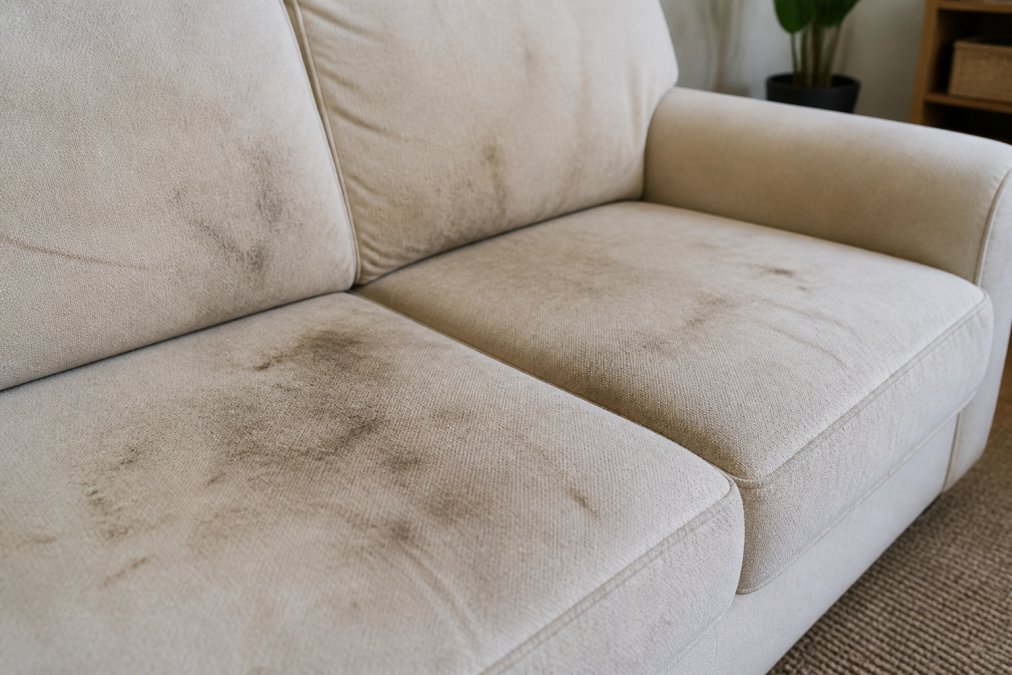
Most homeowners don’t realize what happens if you do not clean upholstery until the damage is already done. Your sofa and armchairs act as massive filters for your entire home, trapping everything that floats through the air. Every time someone sits down, the cushion compresses and pushes air out, then pulls fresh air back in when they stand up. This pumping action draws dust, dead skin cells, pet dander, and microscopic pollutants deep into the padding where they settle permanently.
At Stay Fresh Steam Cleaning, we see the results of years of skipped maintenance every week. When we extract water from a “clean-looking” couch, the murky brown liquid that fills our machine tells the real story. That visible discoloration on the fabric surface is only the tip of the iceberg. What accumulates beneath the surface affects your health, your furniture’s lifespan, and your wallet.
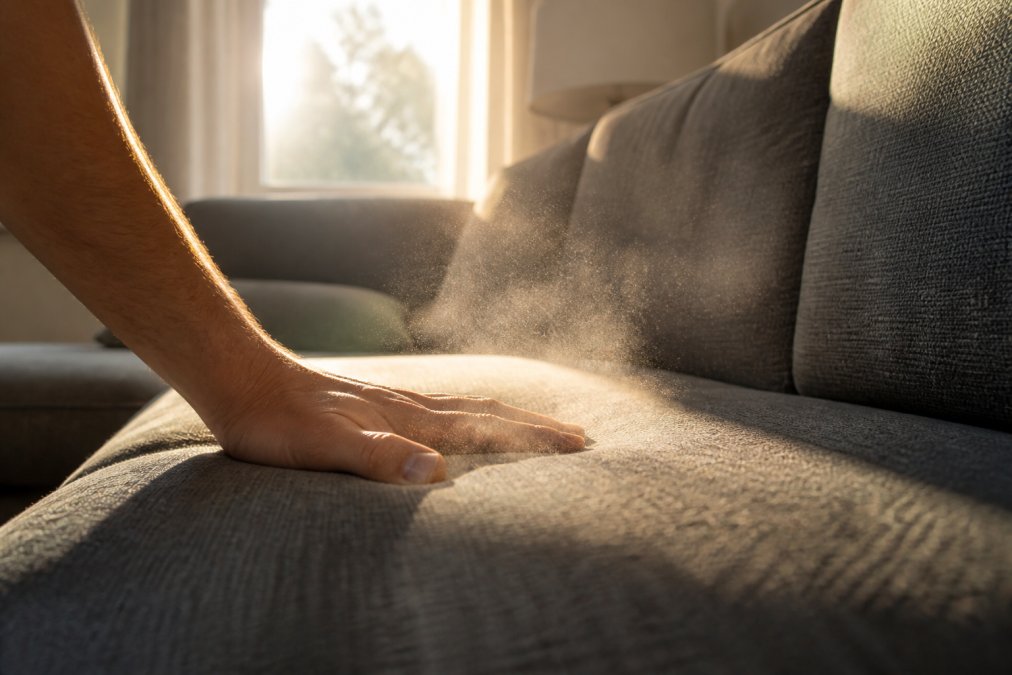
The health consequences of neglected upholstery extend far beyond a sneeze or a sniffle. To understand the risk, you have to look at the ecosystem living inside your couch. The average sofa can harbor thousands of dust mites, microscopic arachnids that thrive on the dead skin cells we shed at a rate of about 1.5 grams per day (PubMed). Their fecal particles and body fragments are a primary trigger for year-round indoor allergies and asthma flare-ups.
The problem is compounded by the ‘bellows effect.’ When you sit down, the cushion compresses, forcing air and allergens out. When you stand up, it expands, pulling new contaminants deep into the padding. This creates a cycle where the furniture becomes a permanent reservoir for indoor air pollution, releasing a burst of allergens with every single use.
Beyond the physical, there is a growing body of evidence linking our environment to our mental state. The ‘broken window theory’ applies to our homes as much as our streets. A couch that is stained, smells musty, or triggers a nagging feeling of ‘I should deal with that’ creates a low-grade, chronic stressor. This constant visual cue of unfinished chores can elevate cortisol levels, making it harder to relax in the very room designed for rest. The psychological impact of a clean home is not just about aesthetics; it is about creating a sanctuary that signals safety and control, which is essential for mental well-being.
This is why professional extraction cleaning is not a luxury. It is a direct intervention that removes the biological load from your living space, addressing both the physical allergens and the psychological weight of a home that feels less than clean.
The abrasive particles ground into your couch act like sandpaper on a microscopic level. Each time someone sits, dirt particles cut into the individual upholstery fibers, causing fiber degradation that weakens the fabric structure. Over time, this friction produces visible wear and tear, thinning spots, and eventually holes in high-traffic seating areas.
Fabric fading and discoloration also accelerate when dirt is allowed to remain. The grime holds moisture against the fibers, creating conditions that break down dyes and finishes. What starts as a minor stain spreads and sets deeper, becoming what professional cleaners call set-in stains. Once soil reaches the inner layers of the cushion, no amount of surface spot cleaning will reverse the damage.
The upholstery life cycle shortens dramatically without proper care. A quality sofa might last 10 to 15 years with regular professional maintenance, but neglect can cut that lifespan in half (extension.org). Think of upholstery maintenance as preventative maintenance for your furniture.
Several indicators signal that your couch has reached the point where DIY methods fall short. A musty odor that persists despite vacuuming and fabric sprays is one of the clearest warnings. Visible staining, even small spots, suggests soil has begun setting into the fibers. If you notice your allergies acting up specifically when you sit on the furniture, trapped allergens are the likely culprit.
Other signs include fabric that feels stiff or rough rather than soft, discoloration in areas where people frequently sit, and a visible film on the surface when you run your hand across it. If you cannot remember the last professional deep cleaning, your furniture likely needs one now.
Replacing a sofa represents a significant expense, often several hundred to several thousand dollars. Many families make this purchase repeatedly because they never learned how often to clean couch fabric properly. The financial cost of neglect extends beyond replacement too. Allergens trapped in furniture can contribute to increased doctor visits and medication use for sensitive household members.
A one-size-fits-all schedule is a recipe for disaster. The ‘right’ frequency depends entirely on what your furniture is made of, because each material fails differently when neglected. Here is what actually happens to the most common upholstery types.
Leather: Unlike fabric, leather is porous and absorbs body oils. When neglected, these oils oxidize, causing the material to become stiff, brittle, and eventually crack. The failure is not just cosmetic; it is structural. A leather sofa that is not cleaned and conditioned every 6-12 months will lose its suppleness and develop permanent creases and cracks that cannot be repaired. The cost of neglect here is not just a new sofa, but the loss of a material that can otherwise last for decades.
Microfiber (Polyester): This is the workhorse of family homes. Its tight weave is stain-resistant, but that same weave traps body soil and oils. Over time, the fibers become matted and crushed, losing their softness and developing a shiny, worn appearance in the seating areas. This is not a stain; it is a physical change in the fiber structure caused by the abrasive action of dirt. Regular vacuuming is critical, but professional cleaning is required to lift the embedded oils that cause this irreversible matting.
Velvet: Velvet is the most high-maintenance of the common fabrics. Its pile is delicate and can be permanently crushed by heavy sitting or improper cleaning. Neglect leads to a patchy, uneven sheen that looks like water damage. More importantly, velvet is a magnet for dust, and the dense pile makes it nearly impossible to remove deeply embedded allergens with a standard vacuum. It requires gentle, professional care to maintain its luster and its hygiene.
Cotton and Linen: These natural fibers are highly absorbent. When neglected, they wick moisture and stains deeper into the cushion, making them nearly impossible to remove. They are also prone to shrinkage and fading if not cleaned with the correct methods. A spilled drink on a cotton sofa that is not professionally extracted can set into a permanent ring, whereas a proactive cleaning could have removed it entirely.
| Material Type | Vacuuming Frequency | Professional Deep Cleaning | Key Concern |
|---|---|---|---|
| Cotton and linen | Weekly | Every 6-12 months | Fabric shrinkage and fading |
| Microfiber and polyester | Weekly | Every 6-12 months | Oil and body soil buildup |
| Leather | Weekly wipe-down | Every 6-12 months | Cracking without conditioning |
| Wool blends | Weekly | Every 12 months | Fiber damage from harsh chemicals |
| Velvet | 2-3 times weekly (gentle) | Every 6 months | Pile crushing and dust retention |
| Homes with pets | 2-3 times weekly | Every 3-6 months | Dander and odor accumulation |
The most common mistake is waiting for a visible stain. By the time you see the spot, the soil has already migrated deep into the cushion core, where it breaks down the foam and creates a permanent odor reservoir. Proactive, material-specific care is the only way to prevent this.
Professional extraction cleaning reaches contamination that consumer machines cannot touch. The benefits of professional upholstery cleaning go beyond surface appearance. Trained technicians understand how different upholstery fibers respond to cleaning methods, preventing fabric shrinkage and damage that can result from improper DIY techniques. They also have access to professional-grade upholstery cleaning solutions that break down oils and proteins that household products leave behind.
Upholstery steam cleaning offers additional sanitization benefits, killing dust mites and bacteria that survive standard cleaning methods. This is particularly valuable for homes with pets or young children. Professional equipment extracts significantly more water and cleaning solution from the fabric, which means faster drying times and reduced risk of mold growth beneath the surface.
For pet owners, professional treatment addresses both stains and the odors that encourage repeat marking. The right upholstery cleaning solutions neutralize the biological residues that attract pets back to the same spot.
Understanding what happens if you do not clean upholstery makes the maintenance decision clear. The hidden accumulation of allergens, bacteria, and abrasive debris affects your family’s health, shortens furniture lifespan, and costs money in premature replacements. Regular vacuuming helps, but it cannot substitute for professional extraction cleaning that reaches deep into the cushioning.
Stay Fresh Steam Cleaning brings certified, background-checked technicians to homes throughout San Antonio and Bexar County. Our satisfaction guarantee means we stand behind the quality of our work, and we use methods that protect the longevity of your upholstery while creating a healthier indoor environment for your family. Contact us to schedule your deep cleaning and give your furniture the care it deserves.
Most manufacturers recommend a thorough cleaning every 12 to 18 months. However, homes with pets, children, or allergy sufferers should schedule professional upholstery cleaning every 6 to 12 months. Regular vacuuming every week or two removes surface debris and extends the life of your fabric between those deeper cleanings. If you notice a musty odor or visible stains before the 12-month mark, that is a sign your furniture needs deep cleaning sooner rather than later.
Yes. Upholstery acts as a filter, trapping dust mites, dander, pollen, and bacteria buildup. When you sit on the furniture or walk past it, these particles become airborne and circulate through your home. This can worsen indoor allergens and trigger respiratory issues. Regular vacuuming removes surface debris, but only professional extraction cleaning can remove the deeply embedded contaminants that impact the air quality in your living space.
The biggest mistake is scrubbing a stain aggressively, which damages the fibers and pushes the spill deeper. Another frequent error is using too much water or the wrong cleaning solution, leading to fabric shrinkage, discoloration, or sticky residue that attracts more dirt. Many people also skip testing cleaning products in an inconspicuous area first. When in doubt, professional extraction removes set-in stains without risking textile integrity.
Absolutely. Abrasive dirt and grit act like sandpaper on upholstery fibers. Every time you sit down, those particles grind against the fabric, causing premature upholstery wear and tear. Regular vacuuming and professional deep cleaning remove this abrasive layer, preventing fiber degradation and fabric fading. By investing in a maintenance schedule, you can add years to your furniture’s life cycle and delay the significant expense of replacing it.
The information in this article is intended for general guidance. Cleaning needs vary based on fabric type, household conditions, and manufacturer recommendations. Always check your furniture’s care label before attempting any cleaning method.
This article was written using GrandRanker


