
- September 21, 2026
- in Blog
- by
- 3
- 0
Last Updated: September 20, 2026
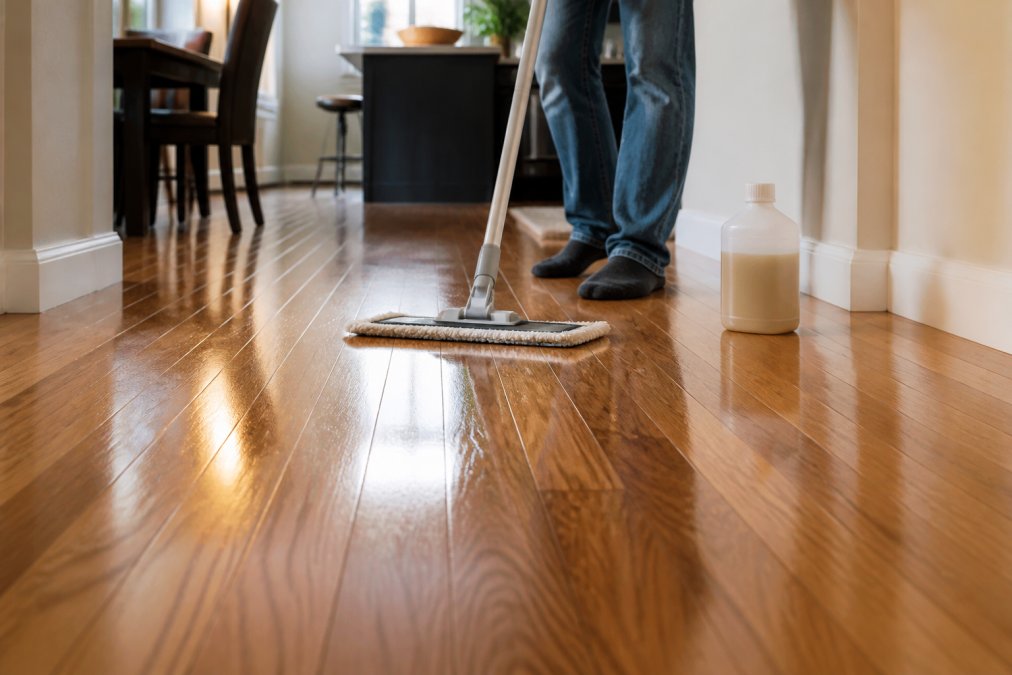
High-traffic areas of your home take a beating. Entryways, hallways, and living rooms see constant foot traffic, pet paws, and spills that dull even the finest hardwood finishes. The best hardwood floor polish for high traffic areas isn’t just about aesthetics, it’s about protecting your investment and extending the life of your floors. At Stay Fresh Steam Cleaning, we help maintain the longevity of your interior surfaces while ensuring a clean, welcoming environment for your guests and clients.
High-traffic zones experience repeated footsteps, dragging furniture, pet claws, and moisture exposure that breaks down ordinary finishes within weeks, standard polish won’t suffice.
Specialized polish contains durable resins and protective polymers that fill micro-scratches and create a sacrificial layer absorbing damage before it reaches your wood, extending the time between refinishing from 3-5 years to 5-7 years.
Proper application separates results that last from disappointing finishes that peel or streak. Most homeowners skip preparation and wonder why their polish doesn’t perform.
Vacuum thoroughly, including edges and corners, then use a microfiber dust mop to capture fine particles. For stubborn dirt, apply a pH-neutral hardwood floor cleaner and allow the floor to dry completely (at least 2 hours) before polishing.
Identify your floor’s finish type, polyurethane accepts most polishes readily, while oil-finished floors require specialty products. Test on a small closet area if unsure.
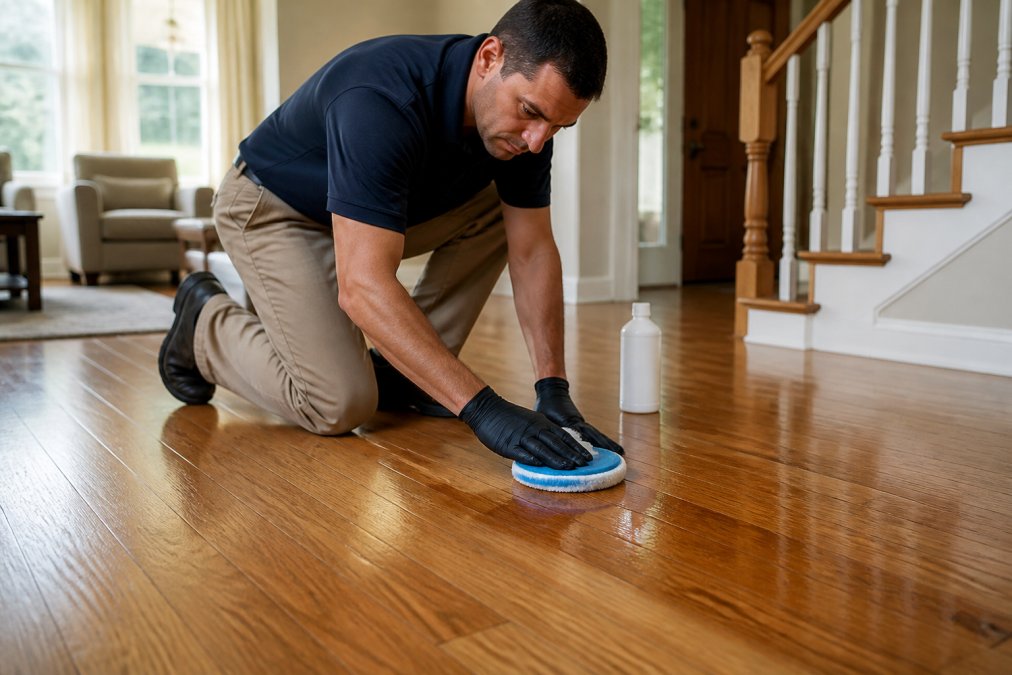
Apply thin, even coats using an applicator pad in 50-square-foot sections, following the wood grain with overlapping strokes to prevent lap marks and pooling.
Most consumer polishes dry to a workable state in 30-60 minutes. Professional-grade products may require longer. Check the product label for exact timing before walking on the floor.
Full curing takes 24-48 hours. Limit foot traffic during this period and open windows to improve air circulation; high humidity extends drying time.
The right product depends on your budget, comfort with DIY application, and how severely worn your floors are.
Bona Traffic HD is a two-component waterborne finish that cures to exceptional hardness in 24 hours, resisting scratches far better than consumer products. It’s non-yellowing and low-VOC, but requires professional application due to mixing complexity.
Best for: Homes with severe wear, commercial spaces, or owners willing to pay for professional application.
Minwax Hardwood Floor Reviver bridges professional and consumer products with micro-filling technology and durable topcoat protection. Available in high-gloss and low-gloss, it covers 200 square feet per bottle and shows results within hours.
Best for: Homeowners seeking professional-looking results without professional-grade complexity.
Weiman High Traffic Wood Floor Polish and Restorer is ready-to-use with no mixing required and offers non-slip safety. It requires reapplication every 2-3 months versus 4-6 months for premium products, making it ideal for budget-conscious homeowners.
Best for: Budget-conscious homeowners, frequent refreshes, or testing before investing in professional products.
Bona Hardwood Floor Cleaner isn’t a polish, but it’s essential for maintaining any polish you choose. This pH-neutral, residue-free cleaner prevents buildup that dulls your finish. Regular use with Bona cleaner extends the life of your polish by 25-30%, making it a worthwhile companion product.
Safe for homes with children and pets, it removes dust and grime without leaving waxy buildup. Use weekly in high-traffic zones.
Best for: Daily maintenance between polish applications.
WOCA Home Hardwood Floor Cleaner suits oil-finished or lacquered floors, nourishing wood fibers without leaving film or haze.
Best for: High-end or specialty wood finishes, homes prioritizing natural products.
| Product | Type | Best For | Reapplication Frequency |
|---|---|---|---|
| Bona Traffic HD | Professional finish | Maximum durability | 6-12 months |
| Minwax Reviver | Consumer polish | Visible restoration | 3-4 months |
| Weiman Polish | Consumer polish | Budget-friendly refresh | 2-3 months |
| Bona Cleaner | Maintenance cleaner | Weekly upkeep | As needed |
| WOCA Cleaner | Specialty cleaner | Oil-finished floors | As needed |
Polish protects your floors, but maintenance habits determine how long that protection lasts.
Dust daily with a microfiber mop and clean weekly with pH-neutral cleaner using a barely-damp mop. Place area rugs in high-traffic pathways to trap dirt and extend polish life by 25-30%.
Assess high-traffic zones every 3-4 months for dull spots requiring reapplication. Use furniture pads to prevent scratches and maintain humidity between 35-55% to protect the finish.
Polish refreshes tired finishes, but refinishing is necessary when damage runs deeper.
Dark stains or rough, splintered wood indicate damage beyond polish repair and require professional refinishing. Preventative polish applications save money long-term by extending refinishing intervals.
Many homeowners confuse polish with wax, but they serve different purposes, and compatibility matters far more than most guides acknowledge.
Polish fills micro-scratches and adds a protective layer on top of your existing finish, while wax creates a separate barrier without filling damage. For high-traffic areas, polish outperforms wax by resisting scratches better and requiring less maintenance.
Identify your floor’s existing finish before choosing polish, applying the wrong product creates streaking, peeling, or haze.
Hardwood refinished in the last 10-15 years likely has polyurethane, which accepts most polishes readily. Test by dropping water on an inconspicuous area, if it beads up, you have polyurethane; if it soaks in, your floor is oil-finished or unfinished.
Oil-finished or lacquered floors require specialty products like WOCA or Osmo that penetrate and nourish wood rather than sitting on the surface. If unsure of your finish, contact the original installer or test on a small closet area first.
If your floor has wax coating, new polish won’t adhere properly. Test for wax by rubbing a mineral-spirits-dampened cloth on a hidden area, if it darkens, wax is present and must be removed using commercial stripper, professional stripping, or light sanding before repolishing.
Most consumer polishes are cosmetic, restoring shine for 2-4 months, while professional-grade products like Bona Traffic HD are protective sealants extending refinishing intervals. Polish works best on structurally sound floors needing cosmetic refresh; deep stains or water damage require refinishing.
Pet owners face unique hardwood floor challenges that standard polish guidance doesn’t address. Claws scratch finishes, and accidents introduce moisture that damages wood. Understanding how different polishes perform under pet stress helps you choose products that actually survive in a pet household.
How Pet Claws Damage Polish and Wood
Pet claws are harder than most people realize. A 50-pound dog walking across hardwood exerts concentrated pressure through four small points, similar to a person wearing high heels. Repeated scratching from claws degrades polish faster than foot traffic alone.
The sacrificial layer concept is critical here: polish sits on top of your wood’s existing finish and absorbs claw scratches before they reach the underlying topcoat. However, not all polishes provide equal protection. Thin, soft polishes (like some budget consumer products) wear through in 4-6 weeks in homes with active dogs. Harder, more durable polishes last 2-3 months or longer.
Choosing Polish Durability for Pet Households
If you have pets, prioritize hardness and thickness over cost. Professional-grade polishes like Bona Traffic HD cure to exceptional hardness and resist claw scratches far better than consumer alternatives. The trade-off is application complexity and cost, but the extended reapplication interval (6-12 months vs. 2-3 months) often justifies the investment in pet homes.
Consumer polishes like Minwax Hardwood Floor Reviver or Weiman offer moderate protection. They’re easier to apply and more affordable, but expect to reapply every 2-3 months in homes with multiple pets or large dogs.
Moisture and Urine Damage: The Bigger Threat
Protecting High-Risk Areas
When Polish Isn’t Enough
Professional Deep Cleaning Between Polish Applications
Polish fills micro-scratches and creates a protective layer using acrylic polymers or polyurethane, restoring shine and durability. Wax sits on top of the surface and requires frequent reapplication. For high-traffic areas, polish offers longer-lasting protection and better adhesion to existing finishes. Wax can leave a slippery residue and may not hold up under heavy foot traffic.
Most quality polishes last 3-6 months in high-traffic areas before losing their protective layer and sheen. Reapply when you notice dullness, scuff marks becoming visible, or reduced water beading. High-gloss finishes may show wear faster than matte options. Regular cleaning between applications extends the life of your polish and keeps floors looking fresh.
Start by vacuuming thoroughly to remove all dust and debris. Wipe the floor with a pH-neutral hardwood floor cleaner to remove residue and allow it to dry completely. Fill any visible scratches or gaps if needed. Ensure the surface is free of hazing or streaking before application. Proper floor preparation is critical for even coverage and maximum adhesion of the protective layer.
Consumer-grade polishes like Weiman or Minwax are designed for DIY application with an application pad and basic equipment. Professional-grade products like Bona Traffic HD require two-component mixing and specialized equipment, making professional application recommended. For extensive high-traffic areas or older floors, professional service ensures proper curing time and durability. DIY works well for maintenance and touch-ups between professional treatments.


