
- October 5, 2026
- in Blog
- by
- 25
- 0
Last Updated: October 4, 2026
Old hardwood floors rarely fail all at once.
This guide from Stay Fresh Steam Cleaning walks through the signs that matter and how to choose between the repair, refinish, and replace paths.
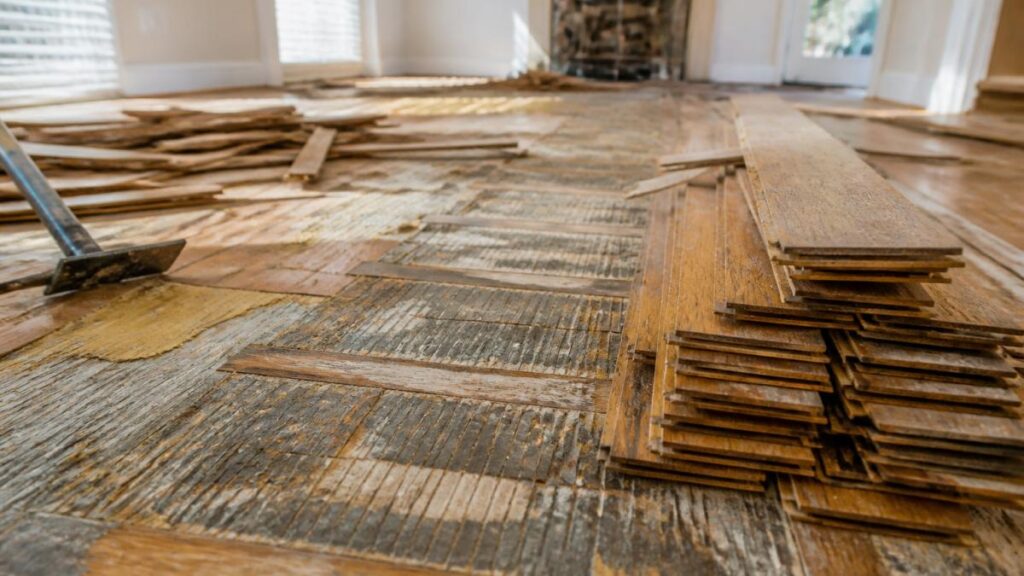
The short version: if boards move underfoot, if water has reached the subfloor, or if the wood has already been sanded down to its last life, replacement is the honest answer.
Every old floor lands in one of three buckets, and picking the right one saves money.
A common mistake is jumping straight to replacement because the floor looks bad. Most dull, scratched floors are refinish candidates. The reverse mistake costs more: refinishing a floor with hidden water damage just traps the problem under a fresh coat.
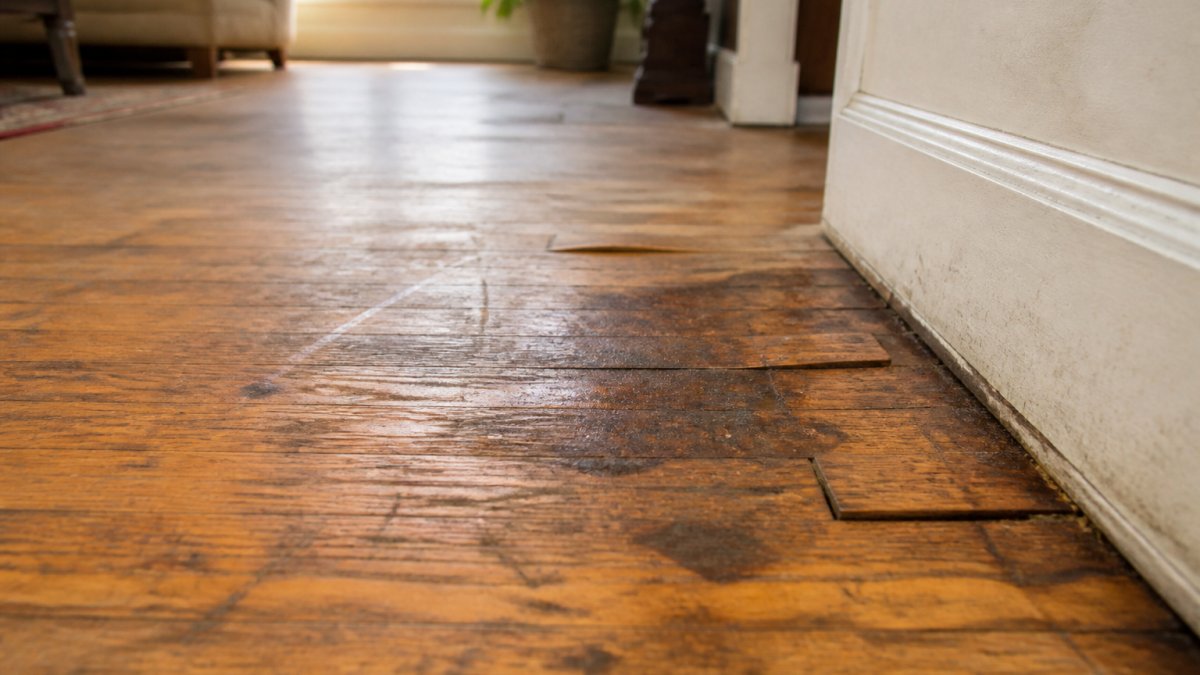
The clearest signs hardwood floors need replacing are structural, not cosmetic. Watch for boards that flex, gaps that keep growing, and dark stains that do not fade after cleaning.
Walk your floor barefoot and note what you feel. Then check these:
Surface wear is what you see. Structural failure is what you feel.
Scratches, dull finish, and light traffic marks are surface wear. Small seasonal gaps from temperature and moisture changes are normal, as is some surface wear on pine floors in an older home.
Structural failure looks different. Boards cup or crown. The floor bounces. Water has soaked through and the wood has started to rot. That is the line where refinishing stops helping.
Water damage is the most common reason a solid wood floor cannot be saved, and the hardest to spot from above.
When water sits under a floor, the wood swells, the subfloor softens, and mold can take hold between them, a floor that looks fine on top can be rotted underneath.
Watch for these warnings:
Choosing to refinish or replace hardwood floors comes down to three measurable things: how much wood is left above the tongue, how far the damage reaches, and how long you plan to stay. Most homeowners guess at the first one. You do not have to.
A floor’s refinishing life is set by the thickness of the wood above the tongue-and-groove joint, not by how old it looks. Every sanding removes roughly 1/32 inch of surface.
Here is how to check it yourself:
If you cannot see a board edge, a flooring contractor can measure at a vent, stair nose, or closet threshold. This is the most useful number in the whole decision.
Work through these questions in order. Stop at the first one that applies.
| Situation | Best Path | Why |
|---|---|---|
| Light scratches, dull finish, sound wood | Refinish | Only the top layer is worn |
| A few damaged or stained boards | Repair | Matched boards can be swapped in |
| Deep stains, cupping, soft spots | Replace | Damage reaches past the surface |
| Water damage or mold below | Replace | Subfloor needs to come up |
| Less than 1/16 inch above the tongue | Replace | No safe sanding left |
| Engineered floor with a thin wear layer | Replace | One or two sandings at most, often none |
Refinishing is cheaper, faster, and preserves original flooring that may be irreplaceable in an older home. But it is the wrong move in three cases:
If any of those apply, the honest answer is replacement, and the sooner you plan it, the less secondary damage you absorb.
Most solid hardwood floors can be refinished three to five times. Each sanding removes a thin layer of wood, and once it is gone, the floor cannot be sanded again.
The limit depends on the wear layer’s thickness, not the floor’s age. Older floors were often milled thicker, so some take more sandings than newer ones.
Ask a flooring contractor to measure the remaining wear layer before you commit.
Hardwood floor replacement cost depends on square footage, material, subfloor condition, and local labor rates. There is no single national number, but there are reliable ranges and a clear list of what moves the total.
As a benchmark, material and installation together usually land in a broad middle range per square foot, with solid wood at the higher end and engineered or alternative materials lower. Subfloor repair, stair work, and custom trim push the number up. Treat any online figure as a starting point, not a quote.
A single room typically takes a few days from demolition to final coat; a whole house can run one to three weeks, depending on square footage, material lead time, and subfloor work.
Plan for the room to be unusable during that window: furniture comes out, dust travels, and you need somewhere to put everything. For one room, most homeowners manage fine; for a whole house, plan to be off the floor for a stretch.
A phone estimate is a guess. A written quote after an on-site look is the only figure worth budgeting against. Ask the contractor to break out material, labor, removal, disposal, subfloor repair, and trim separately, so you can see what changes if you switch materials or handle part of the work yourself.
Get at least two written quotes, confirm what the warranty covers, and ask who handles disposal and any subfloor repair discovered mid-project. Those three questions separate a firm number from an optimistic one.
Solid hardwood lasts longer than engineered in almost every case. It is one piece of wood through its full thickness, so it can be sanded and refinished multiple times.
Engineered hardwood is a real wood top layer bonded to a plywood core.
| Feature | Solid Hardwood | Engineered Hardwood |
|---|---|---|
| Refinish cycles | Three to five | One to two, often none |
| Moisture tolerance | Low | Higher |
| Best for | Living areas, older homes | Basements, slab foundations |
| Lifespan | Decades with care | Shorter, wear-layer dependent |
If longevity is the goal, solid wood wins. If moisture is the problem, engineered is the smarter pick.
A full floor replacement typically takes several days to a couple of weeks, depending on square footage, material lead time, and subfloor work.
Resale value is worth weighing. New flooring upgrades help when you are selling a house, especially if the old floor is visibly worn in photos. Original flooring that is in good shape can also be a selling point in an older home, so do not replace what only needs a refinish.
The decision is rarely as hard as it feels. Check the structure first, then the surface. If boards move, water has been in, or the wood is sanded out, replace. If the wood is solid and only the finish is tired, refinish.
Either way, a worn floor does not have to stay that way. At Stay Fresh Steam Cleaning, our certified, background-checked technicians clean and maintain hardwood, carpet, tile, and upholstery across San Antonio and Bexar County, with a satisfaction guarantee and a re-cleaning policy behind every job.
Key signs include deep scratches that won’t sand out, widespread water stains, mold or musty odors, squeaking or bouncing boards, and visible gaps between planks. If the wood has been sanded so thin that the tongue-and-groove edges show, replacement is usually the only option. A flooring contractor can confirm whether the damage is surface-level or structural.
Yes, if the wood is thick enough and the damage is surface-level. Solid hardwood can typically be refinished two to four times over its lifespan. Engineered hardwood has a thinner wear layer and may only tolerate one or two sandings. If the boards are cupped, rotted, or water-damaged through the subfloor, refinishing won’t fix the problem.
Replacement cost depends on square footage, wood species, and whether the subfloor needs repair. Homeowners should budget for materials, labor, removal of old flooring, and possible subfloor work. Getting quotes from flooring contractors in your area is the best way to understand your specific project cost.
Sometimes, but it’s rarely ideal. Installing new hardwood or luxury vinyl plank over existing hardwood can work if the old floor is flat, dry, and structurally sound. However, you’ll lose ceiling height, doors may need trimming, and hidden moisture problems can worsen. If the old floor has water damage or mold, it must be removed first.


