
- September 20, 2026
- in Blog
- by
- 3
- 0
Last Updated: September 20, 2026
Yes, deep carpet cleaning is good for old carpets, provided the carpet’s backing and padding are still structurally sound. When those layers have held up, professional cleaning lifts years of embedded dirt and restores appearance without damaging the pile.
Carpet fibers are built to take a beating. Most modern carpets use synthetic fibers like nylon or polyester, which resist moisture and abrasion well. Natural fibers such as wool are softer but more delicate, and they need gentler handling. The Carpet and Rug Institute’s cleaning guidance notes that soil left in the pile acts like sandpaper, grinding against fibers every time someone walks across the room.
That’s the core problem with old carpet. Embedded dirt doesn’t just look bad. It physically wears the pile down from the inside.
Fiber type decides how much cleaning an old carpet can safely handle. Nylon and polyester bounce back from moisture and agitation. Wool and other natural fibers can shrink or mat if they’re cleaned too aggressively.
Age matters less than most homeowners think. A well-maintained 12-year-old nylon carpet often cleans up better than a neglected 5-year-old one. What ages a carpet is traffic, pets, and soil buildup, not the calendar.
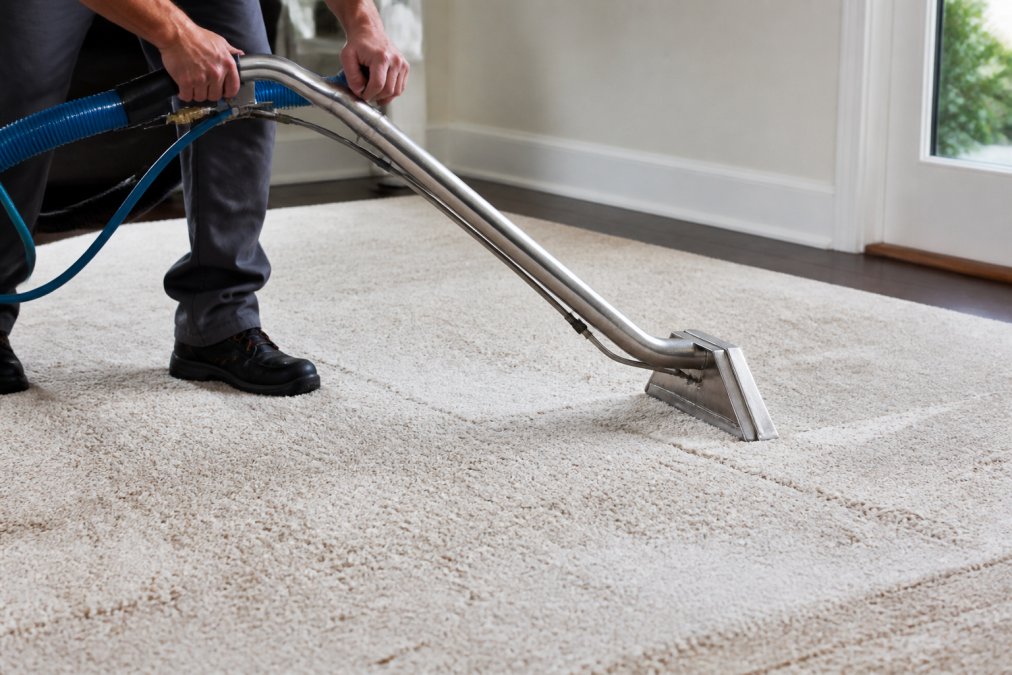
Hot water extraction, often called steam cleaning, pushes heated water and a pH-balanced cleaner into the carpet pile, then pulls it back out with strong suction. Professional extraction reaches the base of the fiber, where embedded dirt and allergens collect.
Old pile responds well to this method because the heat loosens compacted soil and the suction removes it rather than pushing it deeper. Rental machines use the same idea, but with far less suction and heat.
Professional carpet cleaning is generally safer for old carpet than a rental machine, mainly because of control. Trained technicians adjust water temperature, pressure, and drying based on what the fibers can handle.
Rental machines are built for convenience, not for fragile or heavily worn carpets. They’re a reasonable option for routine upkeep on newer carpet. On old, thinning pile, they tend to do more harm than good.
The biggest issue with rental units is moisture retention. Consumer machines pull out less water than professional truck-mounted systems, so carpets stay damp longer.
That leftover moisture sits in the carpet pad and backing. Over time, repeated damp cleanings can weaken the backing and encourage odor, especially in humid rooms. Rental machines also leave behind more cleaning residue, which attracts new dirt and makes the carpet look dingy again within weeks.
Cleaning can’t fix structural failure. If the backing is crumbling or the padding has collapsed, a deep clean will only buy you a few weeks before the problems return.
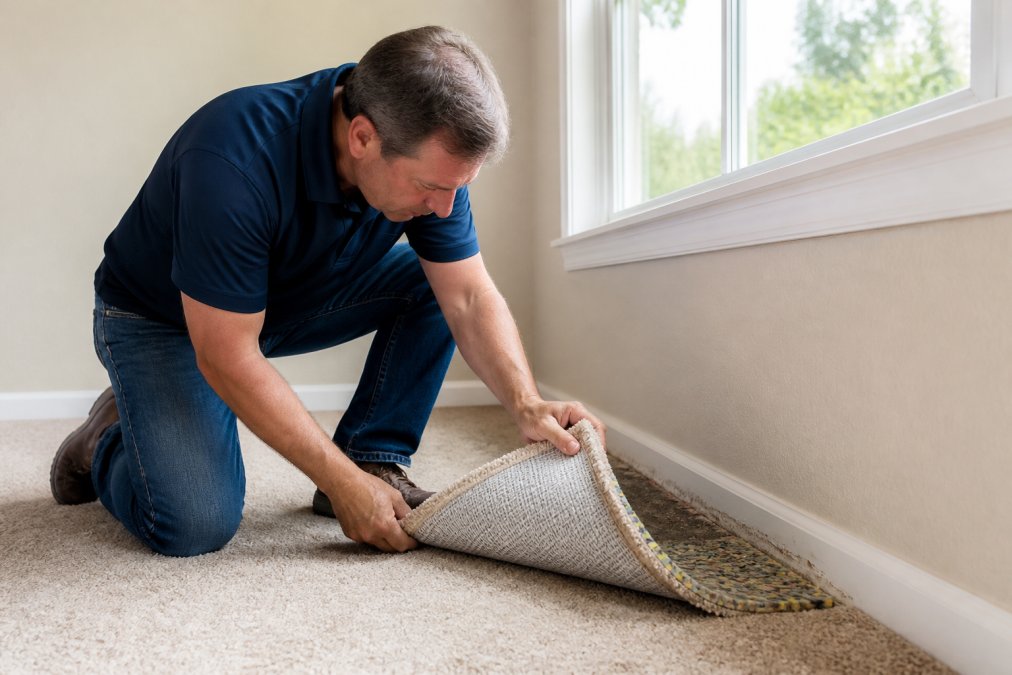
Homeowners often ask us whether to clean or replace. The honest answer comes down to three checks: backing integrity, padding condition, and how evenly the pile has worn.
Delamination is when the carpet’s backing separates from the face fibers. It shows up as ripples, soft spots, or a carpet that feels loose underfoot.
Try this: lift a corner of the carpet and look at the backing.
Wear patterns tell you where the carpet gets the most traffic. Fiber degradation shows up as matted, crushed pile that won’t stand back up after cleaning.
Professional cleaning costs a fraction of replacement, which is why it’s worth trying first on any carpet that passes the backing and padding checks. But “a fraction” isn’t a decision framework. Here’s how the math actually breaks down.
Professional deep cleaning for a typical 3-room area is a recurring, low-commitment expense. The exact figure depends on square footage, soil level, fiber type, and whether stairs or upholstery are added.
Cleaning wins financially as long as the carpet still has usable life left. A structurally sound carpet that gets professional cleaning every 12 to 18 months can stay in service years longer than one that only gets spot-treated. Each clean is a small fraction of replacement cost, so even two or three cleans over several years can cost less than one replacement.
When you request pricing, expect these variables to move the number:
Older carpets in busy homes benefit from professional deep cleaning every 12 months. Households with pets, kids, or allergy sufferers may need it every 6 to 9 months. Lighter-traffic homes can stretch to 18 months.
| Carpet Situation | Deep Clean Frequency | Why |
|---|---|---|
| Pets or kids in the home | Every 6-9 months | Allergens and stains build fast |
| Allergy sufferers | Every 6-9 months | Reduces airborne irritants |
| Average household | Every 12 months | Keeps soil from grinding fibers |
| Low-traffic rooms | Every 18 months | Less soil accumulation |
Here’s the gap most cleaning guides skip: old carpet doesn’t just take longer to dry, its padding behaves differently, and that difference is where real damage happens.
A common benchmark: new carpet in good airflow conditions can dry in under 12 hours. Old carpet with compressed pad and worn backing can stretch well past 24 hours, and in humid conditions or rooms with poor ventilation, it may not fully dry for two days or more.
Before you book, do a quick self-assessment. Check the backing for delamination, press the padding to feel for collapse, and look at whether high-traffic areas still have any bounce.
| Problem | Fix | Impact |
|---|---|---|
| Embedded dirt in pile | Hot water extraction | Restores appearance, reduces wear |
| Pet stains and odor | Enzyme treatment plus extraction | Neutralizes odor at the source |
| Allergen buildup | Deep cleaning every 6-9 months | Improves indoor air quality |
| Delaminated backing | Replacement, not cleaning | Cleaning can worsen damage |
| Slow drying | Fans plus HVAC airflow | Prevents mildew and odor |
It depends on the carpet’s condition, not just its age. A 20-year-old carpet with intact backing, no delamination, and fibers that still stand up to vacuuming can benefit from deep carpet cleaning. But if the backing is crumbling, the pile is crushed flat, or wear patterns show fiber degradation, cleaning may accelerate breakdown rather than restore it. A professional assessment before booking will tell you which category your carpet falls into.
They can, if the cleaning process leaves sticky detergent residue behind. Residue attracts soil, so carpets look dirty again within weeks. Professional extraction with pH-balanced cleaners and proper rinsing avoids this problem. Rental machines often lack the suction power to remove all the cleaning solution, which is one reason some homeowners see carpets re-soil quickly. Proper hot water extraction leaves fibers clean and residue-free.
If the carpet is structurally sound, yes. Deep cleaning removes embedded dirt, allergens, and pet dander that routine vacuuming cannot reach. It also extends the carpet’s usable life, which delays the cost of replacement. For a 15-year-old carpet with intact backing and no delamination, professional cleaning can restore appearance and improve indoor air quality. If the backing is failing or the pile is worn through, replacement is the better investment.
Most carpets benefit from deep cleaning every 12 to 18 months. Older carpets in high-traffic areas or homes with pets may need it every 6 to 12 months. The frequency depends on soil levels, foot traffic, and whether anyone in the home has allergies. Regular deep carpet cleaning prevents embedded dirt from grinding against fibers and speeds up wear. A professional can recommend a schedule based on your carpet’s age and condition.
The main risks are delamination, where the backing separates from the pile, and prolonged drying times that can lead to mold or odor. Worn fibers may also shed more during agitation. Professional technicians assess carpet condition first and adjust pressure, temperature, and moisture levels to avoid further damage. Post-cleaning drying time matters too. Old carpet that stays damp for more than 24 hours is at higher risk for mildew and musty odors.


