
- September 22, 2026
- in Blog
- by
- 3
- 0
Last Updated: September 22, 2026
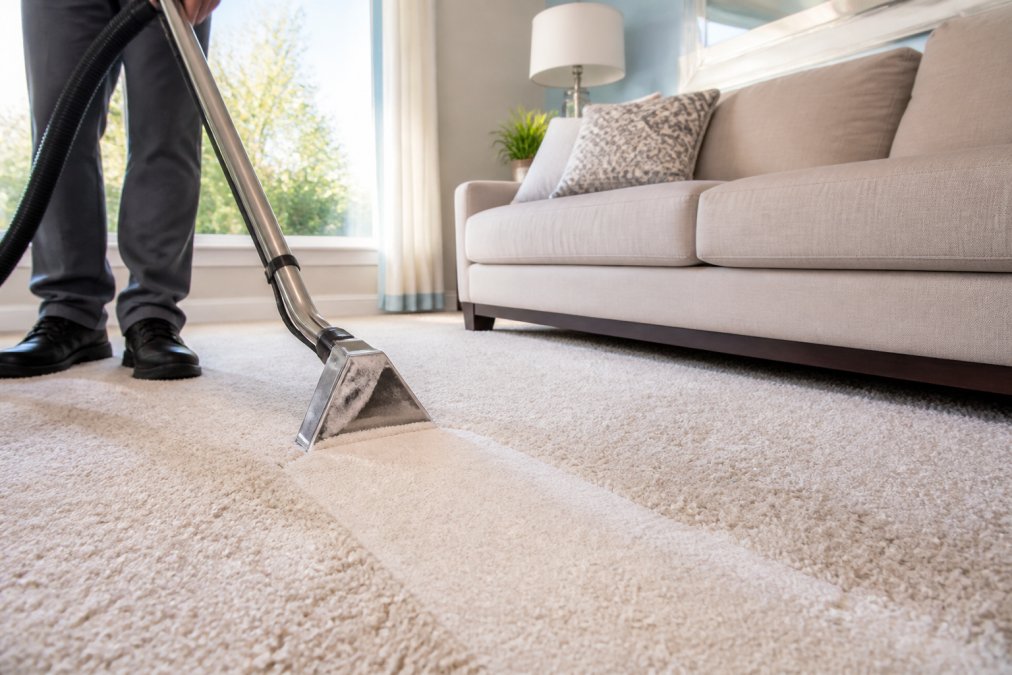
The honest answer is every 12 to 18 months for professional deep cleaning, with more frequent service in busy rooms. Many carpet manufacturers require professional cleaning on that schedule to keep your warranty valid, so this is not just about looks.
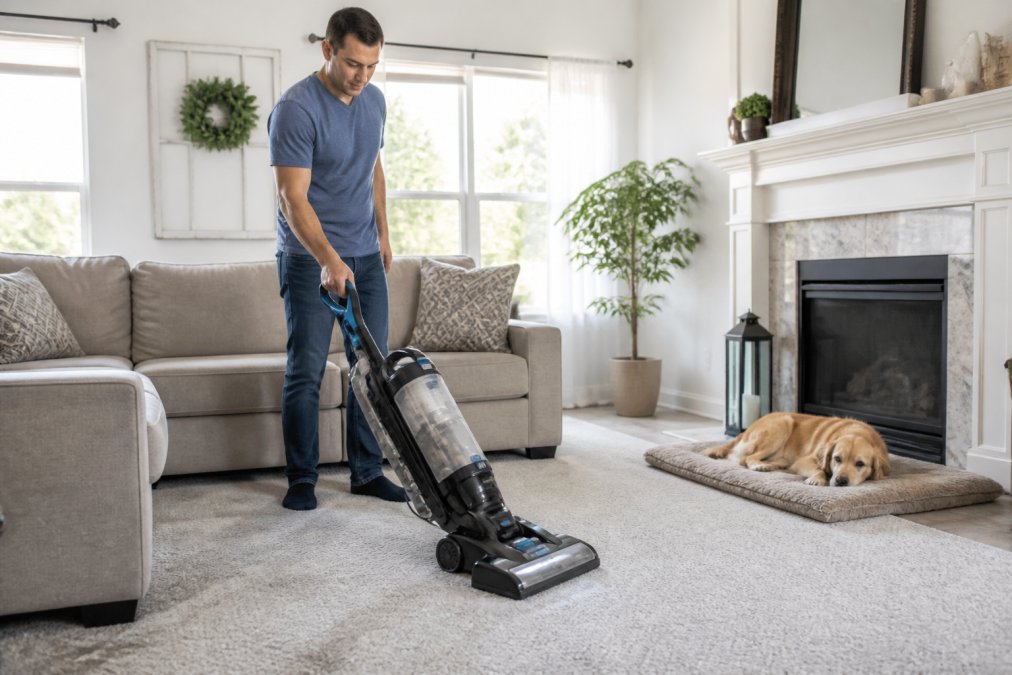
The 12-to-18-month rule is the baseline for a typical household with two adults and no pets, and it’s the number most warranties point back to. But that range assumes light use, add a shedding dog or three kids, and the real interval drops fast.
A few things push you toward the shorter end:
Not every room wears the same. Treating your whole home on one schedule wastes money in some rooms and neglects others.
| Room | Traffic Level | Pro Cleaning Frequency |
|---|---|---|
| Living room | High | Every 6-12 months |
| Main hallway and stairs | High | Every 6-12 months |
| Entryway | High | Every 6-12 months |
| Bedrooms (primary) | Medium | Every 12 months |
| Guest room | Low | Every 18-24 months |
| Formal dining room | Low | Every 18-24 months |
Pets cut your cleaning interval roughly in half. One dog or cat moves the schedule to every 6 to 12 months, and multiple pets push it closer to every 4 to 6 months. But the number matters less than the mechanism, because pet soil is chemically different from tracked-in dirt.
Pet dander, hair, and tracked-in dirt settle deep in the carpet fibers, not just on top. A standard vacuum lifts surface debris but leaves fine particles behind, and that buildup feeds odor and allergen problems.
Use this as a starting point, then adjust based on what you see:
| Pet situation | Pro cleaning frequency |
|---|---|
| One short-haired cat, litter-trained | Every 9-12 months |
| One double-coated dog (Husky, Shepherd, Golden) | Every 6-9 months |
| Two or more pets, any type | Every 4-6 months |
| Senior pet or pet with incontinence | Every 3-4 months |
| Pet with allergies or skin conditions | Every 3-4 months |
| Puppy or kitten in training | Every 3-4 months until house-trained |
For homes with pets, EPA guidance on indoor air quality and pet dander is worth a read. It explains how allergens accumulate in soft surfaces and why routine deep cleaning matters.
Kids shorten the interval the same way pets do. Spills, crumbs, and outdoor dirt from play all accelerate soil accumulation.
Habits that extend carpet life:
Your carpet will tell you when it’s due. Watch for these signals, and don’t wait for the full 12 months if they show up early.
Rental machines look cheaper, but the gap narrows fast once you count the real costs.
| Factor | Rental Machine | Professional Service |
|---|---|---|
| Upfront cost | Lower | Higher |
| Your time | Several hours | None |
| Method | Often weaker suction | Hot water extraction |
| Dry time | Often longer | Typically faster |
| Residue risk | Higher | Lower |
| Results last | Weeks to months | Months |
Carpet type changes the schedule more than most guides admit. High-pile and low-pile carpets trap soil differently, dry at different rates, and the fiber dictates which cleaning method is safe.
High-pile (plush, frieze): The tall fibers hide dirt well, but the soil sits deep in the pile. These carpets need gentler, more frequent cleaning and longer dry times, if your baseline is 12 months, treat high-pile as 9 to 12 months.
Each fiber has a different tolerance for heat, moisture, and pH.
| Fiber | Typical cleaning interval | Preferred method | Watch out for |
|---|---|---|---|
| Wool | Every 12-18 months | Low-moisture or dry extraction; pH-neutral solutions | Shrinking, browning, felting if over-wet |
| Nylon | Every 12 months | Hot water extraction | None major, most forgiving fiber |
| Polyester (PET) | Every 9-12 months | Hot water extraction | Matting and crushing in high traffic |
| Triexta (PTT) | Every 12 months | Hot water extraction | Staining from oil-based soils |
| Olefin (polypropylene) | Every 12-18 months | Hot water extraction or low-moisture | Crushing under furniture; oil attracts soil |
If you’re unsure what you have, a professional can identify the fiber and recommend the right method, using the wrong solution on the wrong fiber is one of the fastest ways to damage a carpet. You can also check a spare remnant or the manufacturer’s label under a corner, since most list fiber content.
The method matters as much as the frequency. Hot water extraction is the standard for synthetics and the method most manufacturers recommend, while wool and other natural fibers often do better with low-moisture or dry extraction. If your cleaner only offers one method, they may not be the right fit for wool or specialty carpet.
A seasonal rhythm keeps you from forgetting the deep clean. Here’s a calendar that works for most homes.
Yes, if the carpet is structurally sound and not heavily worn. Professional cleaning can remove embedded soil, allergens, and stains that regular vacuuming misses, improving indoor air quality and extending the carpet’s usable life. However, if the carpet has deep fiber degradation, permanent stains, or delamination, cleaning may not restore it fully. A professional inspection can tell you whether cleaning will make a noticeable difference or if replacement is the better investment.
It can be cleaned, but results depend on the carpet’s condition. Older carpets often have compacted padding, fiber degradation, and stubborn stains that limit how much improvement is possible. Professional hot water extraction can still remove a significant amount of soil and allergens, but it won’t reverse years of wear. If the carpet is 20 years old and shows signs of matting or tears, replacement may be more cost-effective than repeated cleanings.
This usually happens because of residue buildup. Many DIY shampoos and rental machines leave behind sticky soap residue that attracts dirt. As the carpet dries, the residue wicks to the surface, making it look dirtier within days. Professional cleaning uses hot water extraction with proper rinsing to remove both soil and residue, so the carpet stays cleaner longer. If you’ve already shampooed, a professional rinse can correct the problem.
No. Vacuuming removes surface dirt and loose particles, but it doesn’t reach the deep soil, oils, and allergens trapped in the carpet backing and padding. Deep cleaning, such as hot water extraction or steam cleaning, is needed to flush out embedded debris and restore the carpet’s appearance. For most homes, vacuuming weekly and scheduling professional deep cleaning every 12 to 18 months keeps carpets in good shape.


