
- September 20, 2026
- in Blog
- by
- 3
- 0
Last Updated: September 20, 2026
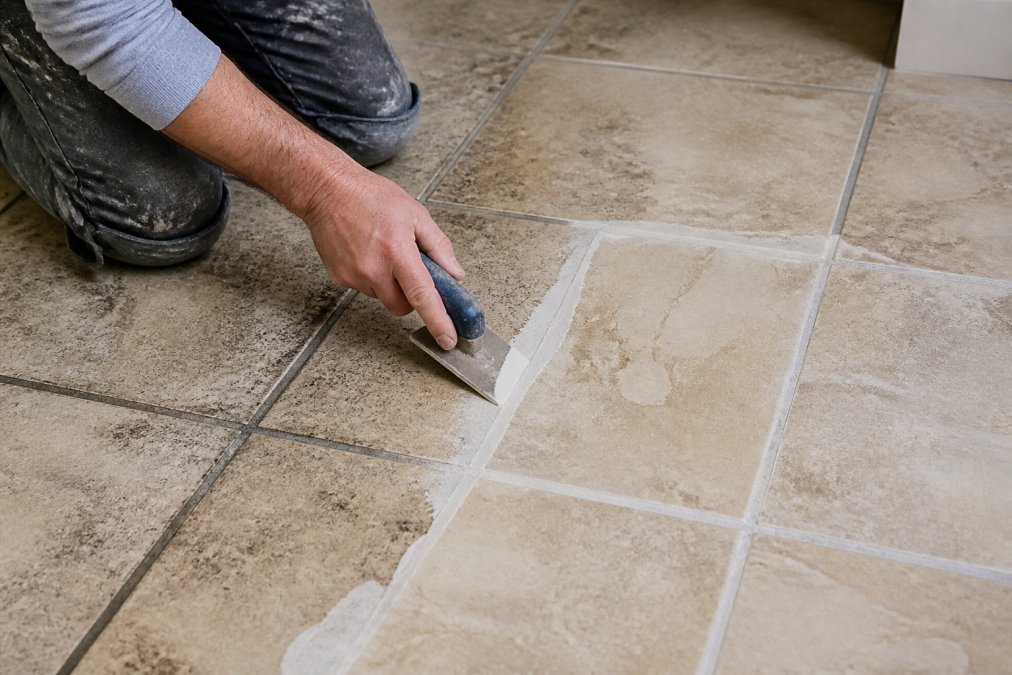
Grout restoration is the process of repairing, resealing, or resurfacing deteriorated grout lines to block the moisture and organic matter that mold needs to grow. We’ve walked into countless bathrooms and kitchens where homeowners scrubbed for hours, only to watch black spots return within weeks. The reason is simple: cleaning removes mold, but it doesn’t remove the cracks, pits, and pores that let mold come back. Restoration closes those entry points.
Mold needs three things: moisture, warmth, and a food source. Damaged grout supplies all three. Cement-based grout is porous by nature, and over years of cleaning, it develops tiny cracks and pits that trap soap scum, skin cells, and oils. Once water seeps into those gaps, it stays there. A common mistake is treating the surface with bleach spray and calling it done. The mold’s roots, called hyphae, sit below the surface, so the visible stain fades while the colony survives. Restoration addresses the structure itself, not just the stain.
The clearest signs your grout needs restoration are recurring mold in the same spots, visible cracks or crumbing, and grout that darkens when wet and stays dark. If you’ve cleaned the same corner three times this year, that’s not a cleaning problem. It’s a failing grout line.
Watch for these specific indicators:
Grout color sealing benefits go beyond appearance: color sealing fills the pores of the grout with a solid acrylic or epoxy coating that water and organic matter cannot penetrate. That barrier is what starves mold of its food source. Standard penetrating sealers soak into the grout and leave the surface texture exposed. Color sealers form a continuous skin over the grout line, which is why they tend to hold up longer in wet areas like showers and kitchen backsplashes.
The EPA’s mold cleanup guidance notes that controlling moisture is the most reliable way to stop mold growth, and sealing grout is one of the few permanent moisture barriers available on a tiled surface.
| Method | How It Works | Mold Resistance | Typical Lifespan |
|---|---|---|---|
| Penetrating sealer | Soaks into pores, repels water | Moderate | 1-2 years |
| Color sealer | Bonds to surface as a solid coating | High | 5-10 years |
| Epoxy grout | Fully replaces grout with resin | Highest | 10+ years |
The key difference is surface versus depth. Penetrating sealers slow water absorption; color sealers stop it. If mold has been a recurring problem, a surface coating gives you the stronger defense.
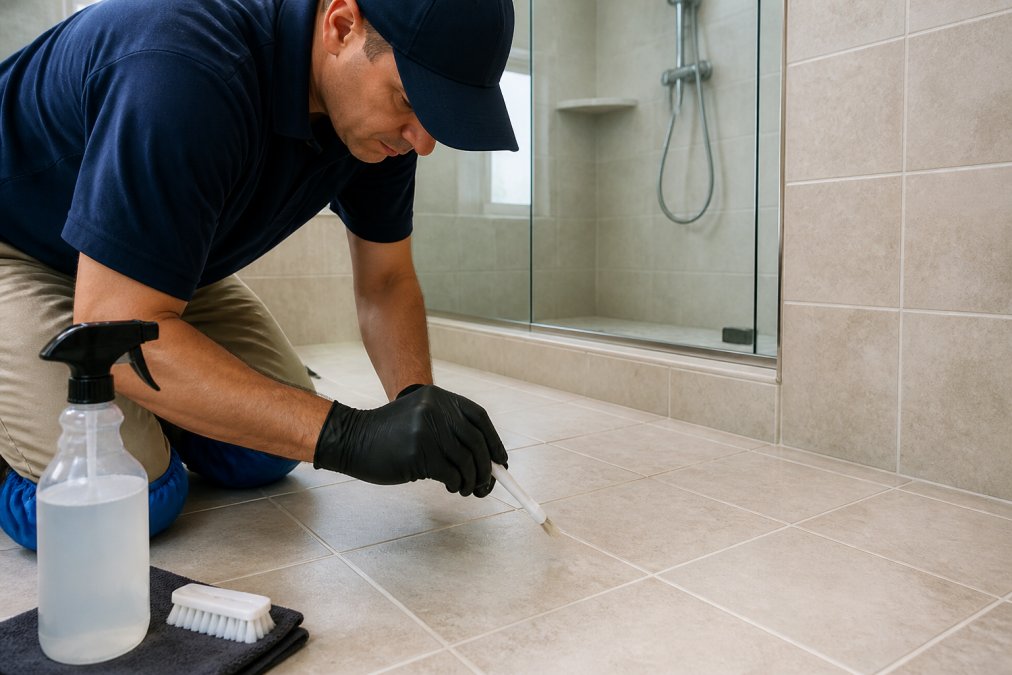
You cannot restore grout that still has active mold on it, so cleaning comes first. Start with a stiff-bristle brush and a mild detergent solution, working in small sections. For tougher spots, a diluted oxygen bleach paste left on the grout for ten to fifteen minutes lifts most surface staining. Rinse thoroughly and let the area dry completely before any sealer or resurfacing product touches it.
What most guides miss is the drying step. If moisture remains in the grout when you seal it, you’ve locked the problem in. Run a fan or dehumidifier for several hours, and check the grout with a paper towel pressed into the line. If the towel comes away damp, wait longer.
Each restoration method fights mold differently, and the right choice depends on how far the grout has deteriorated. Regrouting removes the old grout entirely and replaces it, which fixes structural failure but leaves the new grout just as porous as the original. Resurfacing grinds down the top layer and applies a new coating, which is faster but only as durable as the coating itself. Color sealing is the least invasive option and creates the strongest moisture barrier of the three.
Use this decision framework to pick the right method:
| If your grout is… | Best method | Why |
|---|---|---|
| Crumbling, missing, or deeply cracked | Regrouting | Structural repair is required |
| Stained but structurally sound | Color sealing | Seals pores without removal |
| Uneven or partially damaged | Resurfacing | Levels the surface, then seals |
| Moldy in isolated spots | Cleaning + color sealing | Addresses the source, not just the stain |
For most homes dealing with recurring mold, color sealing can deliver a good balance of cost, downtime, and long-term mold resistance. Regrouting makes sense when the grout has physically failed.
Restoration buys you years, not forever. Keeping grout mold-free after restoration comes down to three habits: ventilate the room after every use, wipe down shower walls weekly, and avoid acidic cleaners that eat into sealers over time. A squeegee takes thirty seconds and removes most of the standing water that feeds mold in the first place.
Practical maintenance checklist:
Call a professional when mold returns within weeks of cleaning, when grout is crumbling across multiple tiles, or when the affected area sits behind fixtures you can’t easily move. DIY restoration kits work for small, isolated spots. They fall short when the damage runs under the tile or when moisture is coming from a hidden leak.
At Stay Fresh Steam Cleaning, our certified, background-checked technicians handle tile and grout restoration for homes and businesses in San Antonio and Bexar County. We steam-clean first, then assess whether sealing or regrouting is the right call. If you’re managing rentals or a commercial kitchen, we can schedule the work around your tenants or operating hours. The CDC’s guidance on mold and dampness is clear that unresolved moisture leads to bigger problems, so catching failing grout early saves money later.
Mold that keeps returning after every cleaning is a sign your grout has stopped doing its job. Stay Fresh Steam Cleaning restores tile and grout with a satisfaction guarantee and a re-cleaning policy, using certified technicians who clean first and seal second. Whether you need routine tile maintenance or a full restoration before listing a property, our team can assess the grout and recommend the right method. Get started with Stay Fresh Steam Cleaning and keep your tile surfaces mold-free for the long run.
Restoration addresses mold at the source by removing contaminated grout and applying a sealer that blocks moisture. Surface mold can be killed with cleaning, but mold that has penetrated deep into porous grout often requires grinding out the old material. A professional can assess whether your grout needs a deep clean, regrouting, or full restoration to remove mold and prevent it from returning.
Color sealing fills the pores of grout with a tinted epoxy-based coating, creating a non-porous surface that mold spores cannot penetrate. Color sealing can last five to ten years in high-moisture areas like showers. For bathrooms and kitchens where mold keeps returning, the upfront investment often pays off in fewer cleanings and longer grout life.
No. Sealing over moldy grout traps moisture and organic matter underneath, giving mold a dark, damp environment to grow. The mold will continue spreading beneath the sealer and eventually break through. You must kill and remove all mold first, let the grout dry completely, then apply sealer or color seal to a clean surface. Skipping this step wastes the sealer and the money spent on it.
Most grout benefits from restoration every five to ten years, but high-moisture areas like showers may need it sooner. Watch for darkening, crumbling, or a persistent musty smell, which are signs your grout needs restoration. If you clean regularly and reseal every one to two years, you can extend the time between full restorations. A professional inspection can tell you whether a simple reseal or a full restoration is the right call.


