
- October 9, 2026
- in Blog
- by
- 26
- 0
Last Updated: October 8, 2026
Grout repair vs replacement in rental units is one of the most misunderstood decisions property managers face. Get it wrong and you either overspend on fixes that won’t last or defer problems that cascade into water damage and tenant complaints. Get it right and you extend tile life, protect your property’s structure, and maintain habitability standards.
The stakes are higher in rentals than in personal homes. Tenant turnover means repeated cleaning cycles, higher moisture exposure, and less careful maintenance. A shower used by three families in a year wears faster than one maintained by a single owner, so knowing when to repair, regrout, or replace protects your investment.
This guide gives you the decision framework.
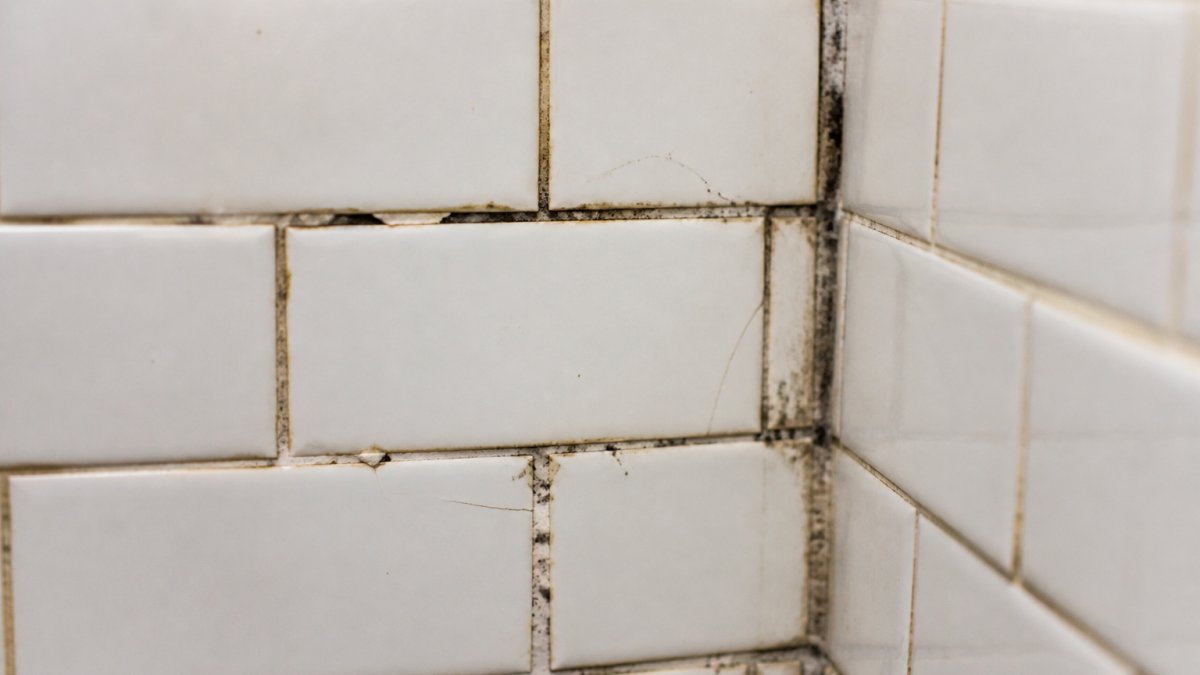
Not all grout damage is the same, and the symptom you see is rarely the problem you have. A dark grout line might be surface staining or the visible edge of water wicking behind the tile.
Layer 1: Surface staining and discoloration. The grout is intact, hard, and uniform in texture, but the color has shifted. This is cosmetic and responds to deep cleaning and, for cement-based grout, resealing. If mold or mildew staining returns within two to three weeks of a thorough cleaning, move to Layer 2.
Layer 2: Failed grout, sound tile. The grout crumbles under a fingernail, cracks run along joints, or grout has receded below the tile edge, but the tile is firmly bonded. This is a grout failure and the sweet spot for localized repair or, if widespread, regrouting. Water is reaching the thinset and substrate, so the clock is running.
Layer 3: Loose or hollow tile. Tap the tile with a screwdriver handle. A sharp click means the tile is bonded; a dull thud means the bond has failed. One hollow tile in a sound field is a localized repair.
Layer 4: Substrate and framing damage. This layer turns a maintenance item into a renovation. Look for soft spots, swelling, or discoloration in drywall, baseboards, or flooring near the tile. A musty smell that persists after cleaning, or mold returning in the same spot, points to trapped moisture.
Layer 5: Changes of plane. Corners, the tile-to-tub joint, the shower curb, and the floor-to-wall transition should be sealed with flexible sealant, not grout. Grout is rigid and cracks at these joints as the structure moves. Recurring cracks at corners or the tub edge usually mean the wrong material, not failed grout.
A simple field test separates surface problems from structural ones. Dry the area, then press a dry paper towel against the grout line for 30 seconds. If the towel wicks moisture, water is moving through the joint. If it stays dry but the grout crumbles, the failure is mechanical.
Once you know your layer, the decision becomes mechanical: Layers 1 and 5 are maintenance, Layer 2 is repair or regrout, Layer 3 is regrout plus tile replacement, and Layer 4 is a renovation. Skipping the diagnosis is how landlords pay twice.
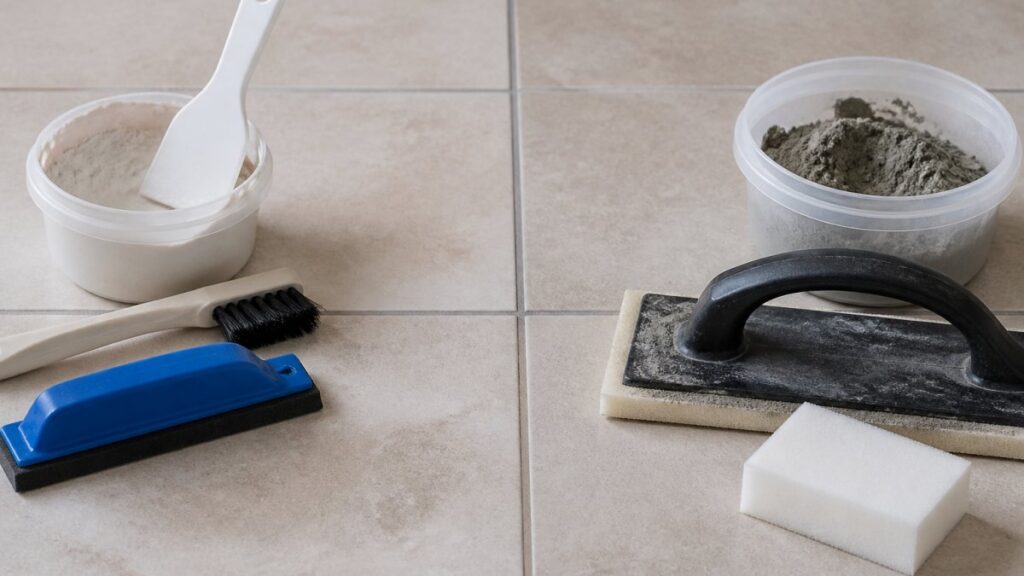
Localized grout repair works when damage is confined to a few joints and surrounding grout remains sound. The process: remove the failed grout, clean out debris and old material, and apply new grout to match the existing work.
Repair typically takes 1-3 days depending on joint count and cure time; actual labor might be 2-4 hours, but curing extends the timeline. Most repairs can be done without vacating a unit if you work around tenant schedules, though many property managers schedule work during turnover.
The key limitation of repair is scope. Past 10-15 percent of the tile surface in a given area, full regrouting becomes more cost-effective and durable. Patching scattered joints across a large shower wall looks inconsistent and performs unevenly because new grout ages differently than old. Full regrouting ensures uniform appearance and performance.
Full regrouting removes all grout from the joints and replaces it completely, restoring the tile surface’s water resistance and structural integrity. A typical shower (roughly 100-150 square feet) takes 3-5 days with proper curing. Labor is more intensive than spot repair because every joint requires attention.
For rental owners, the decision is not what the job costs today but what it costs per year of service life. The table below compares the common interventions on upfront cost, unit downtime, expected lifespan in a wet area, and annualized cost of ownership.
| Intervention | Typical upfront cost (100-150 sq ft shower) | Unit downtime | Expected lifespan in a shower | Annualized cost |
|---|---|---|---|---|
| Localized grout repair | $150-$400 | 1-2 days | 2-5 years | $50-$200/yr |
| Full regrout, cement-based | $800-$2,000 | 3-5 days | 8-15 years | $65-$250/yr |
| Full regrout, epoxy | $1,500-$3,500 | 3-5 days | 20+ years | $75-$175/yr |
| Tile replacement with substrate repair | $3,000-$8,000+ | 1-3 weeks | 20+ years | $150-$400/yr |
Costs vary by market, tile size, accessibility, and occupancy. Treat the ranges as planning figures, not quotes.
Downtime is a real cost. A shower out of service for five days in an occupied unit is a habitability problem, not just an inconvenience, and many leases and housing codes require a working shower. Schedule regrouting during turnover, when the unit is empty and downtime cost is zero. If you must work around a tenant, plan two visits: one to remove and prep, one to grout and seal, with curing in between.
Grout type drives durability. Cement-based grout is porous and must be sealed. It lasts 8-15 years in a shower and needs resealing every 1-3 years. Epoxy grout is non-porous, needs no sealing, resists staining and mold better, and lasts 20+ years. It costs more and requires a skilled installer because it sets fast.
Lifecycle math. A $300 repair lasting two years costs $150 per year. A $1,200 cement regrout lasting ten years costs $120 per year plus resealing. A $2,500 epoxy regrout lasting twenty years costs $125 per year with no resealing. On an annualized basis, durable options are competitive with patching and come with fewer tenant complaints and emergency calls.
What is not in the quote. Regrouting estimates often exclude tile replacement for tiles that break during grout removal, substrate repair if water damage is found, and resealing cement-based grout over its life. Older tile and poor substrate increase breakage odds. Ask your contractor to price the job with a tile-replacement contingency and confirm in writing whether sealing is included.
Tile replacement becomes necessary when individual tiles are cracked, broken, or loose beyond repair, or when the substrate beneath has deteriorated. Water damage to the substrate, visible as soft spots, discoloration, or swelling in drywall or flooring, signals the problem extends past the grout and tile surface.
Replacing a few isolated tiles is straightforward: remove the damaged tile, clean out old adhesive and grout, and set a new tile. Matching tile can be challenging if the original is discontinued or specialty. Building codes and habitability standards in most jurisdictions require bathroom tile to remain intact and properly sealed to prevent water intrusion into walls and framing.
When water damage has penetrated the substrate, tile replacement alone won’t solve it. The substrate must be addressed, often involving removal of damaged drywall, mold treatment, and new moisture-resistant backing before new tile can be set. This escalates scope and cost significantly.
Preventive maintenance reduces major repairs and extends tile and grout life. A quarterly inspection catches small problems before they become expensive.
Inspection checklist:
Cleaning and maintenance:
Stay Fresh Steam Cleaning provides professional tile and grout cleaning that removes embedded dirt and mold without aggressive scrubbing that damages grout. Regular professional cleaning extends the interval between major repairs and helps catch developing problems during routine service.
The decision between repair, regrouting, and tile replacement hinges on three factors: extent of damage, age and condition of surrounding materials, and your timeline for the property.
Choose repair when:
Choose regrouting when:
Choose tile replacement when:
For most rentals, the most cost-effective approach is regular professional cleaning paired with targeted repair of emerging problems. Catching grout failure early, before water intrusion spreads, prevents the cascade into substrate damage and costly renovation.
Grout damage in rental units demands clear-eyed assessment and decisive action. Waiting guarantees problems worsen. Regular professional cleaning and inspection catch issues while they’re manageable. When repair or regrouting becomes necessary, Stay Fresh Steam Cleaning’s certified technicians can evaluate the damage and recommend the right intervention, backed by our satisfaction guarantee. Contact us for a professional assessment of your rental unit’s tile and grout condition, and let’s protect your investment before small problems become expensive ones.
Regrouting is typically the less expensive option upfront, addressing grout deterioration without removing tile. Tile replacement can cost more due to labor, removal, and new material expenses. However, if grout damage has allowed water intrusion that compromises the substrate or if tiles are cracked or loose, replacement may be necessary to prevent costlier water damage later. The decision depends on whether damage is confined to grout or extends to the tile and underlying structure.
Cosmetic damage appears as surface discoloration, minor cracks, or mildew that doesn’t penetrate deep into grout lines. Water intrusion shows up as soft, crumbling grout, dark staining that spreads beyond the grout line, active moisture behind tiles, or mold growth in the substrate. Press on damaged grout with a tool, if it crumbles easily, water has compromised its integrity. If you notice water damage in adjacent drywall, subfloors, or cabinets, water intrusion is likely. These signs warrant professional inspection before deciding on repair versus replacement.
Localized grout repair typically takes 1-2 days depending on the area size and drying time. Full regrouting of a shower or bathroom can take 3-5 days, including removal, application, and curing time before the area is safe to use. Tile replacement takes longer, usually 5-7 days or more depending on the scope and whether substrate repair is needed. Curing time for grout or caulk may require 24-48 hours before water exposure, affecting tenant move-in schedules. Professional assessment helps establish realistic timelines for your turnover window.
Landlord responsibility for grout maintenance varies by state and lease terms. Most state habitability laws require landlords to maintain rental units in safe, habitable condition, which includes preventing water intrusion through damaged grout. Routine resealing and minor repairs typically fall to the landlord as part of property upkeep. Tenant-caused damage may be deductible from the security deposit if documented. Review your state’s landlord-tenant laws and ensure your lease clearly defines maintenance responsibilities. Proactive maintenance protects your property investment and reduces disputes.


